
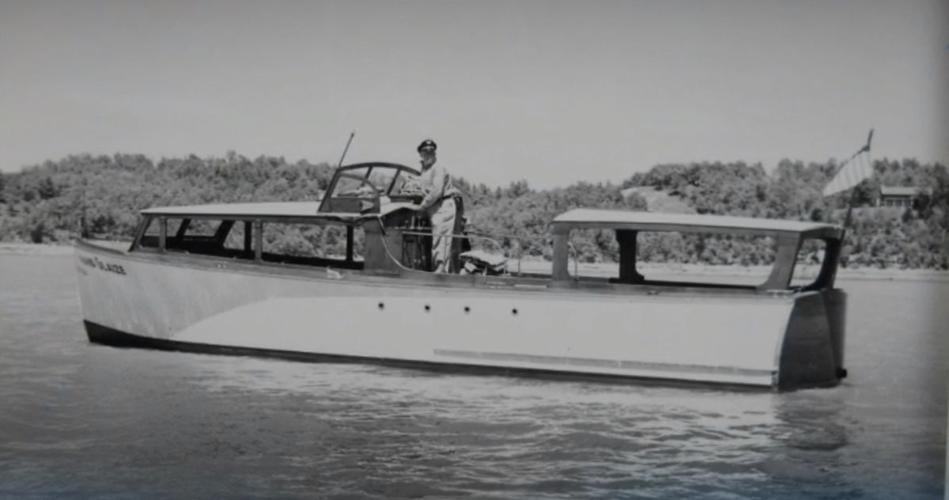

A short tour of the Lake. A freak storm. Three people, never seen again.
It sounds like something out of a mystery novel, but it's a true story—with plenty of unanswered questions—from Lake of the Ozarks. And it bears several similarities to the recent Duck Boat tragedy at Table Rock Lake, where a tour boat capsized on July 19, 2018 and 17 were killed.
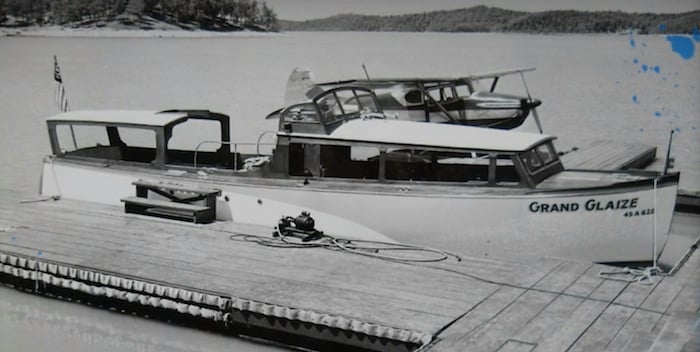
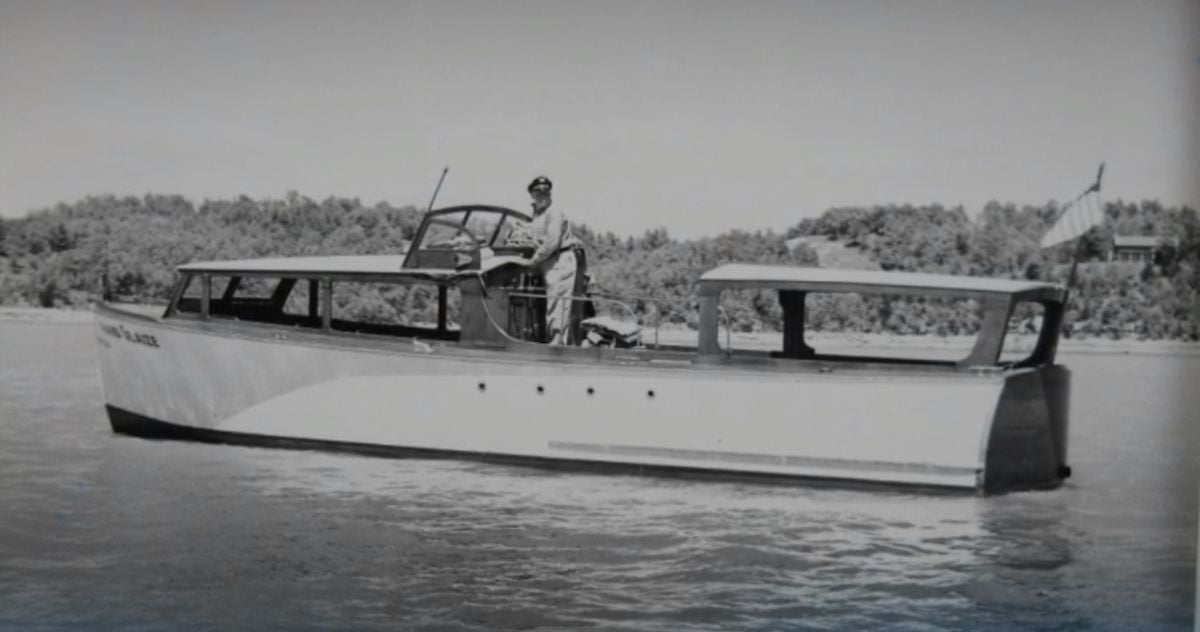
On May 28, 1954, Memorial Day Weekend, at least 13 people boarded an excursion boat named Grand Glaize, for a tour of the Lake of the Ozarks. Nearly half of them would never set foot on land again.
The boat had a relatively narrow beam of perhaps eight feet. Passengers could sit on a row of leather cushions in the forward cabin, or sit aft, under a canvas canopy. There was no public address system, and any attempt by the pilot to describe points of interest was drowned out by the roar of the 678-cubic inch engine. This wasn't a dinner-and-dance cruise, but rather a wide-open, hang-onto-your-hat sprint at 25 miles per hour—an almost distressing speed for that day. Only about four miles into the trip, a freak storm blew across the Lake. High winds—possibly even a tornado—capsized the boat. In the end, six people were killed and seven survived, including the captain.
The incident was one of the most fatal to ever occur on Lake of the Ozarks. And though the number of fatalities was less than half of the number who died in the Table Rock Duck Boat tragedy, the two catastrophes are undoubtedly high-water marks on their respective bodies of water. At Table Rock, a passenger on another Duck Boat echoed the situation on Lake of the Ozarks 64 years prior: the weather seemed fine when the expedition set out. Both boats were canopied tour boats, very popular for giving short tours to large groups. In both cases, a shockingly powerful and sudden storm arose and the boats capsized.
Many details about the Duck Boat tragedy are still unknown, or have not been released to the public. But more than 64 years later, the Grand Glaize tragedy is still shrouded in questions that may never be answered.
The sinking of the Grand Glaize was merely the beginning of one of the Lake of the Ozarks’ biggest mysteries. Then came the discrepancy about how many people were actually aboard, and how many drowned.
The Central Missouri Leader newspaper ultimately reported 15 people had been on board. “Three women, one child, two young men, and two 16 year old girls drown in Lake’s worst tragedy,” the front-page story began.
The article connected the disappearance of a newlywed couple to the tragedy. Thomas and Dorothy (Buckley) Fahey, married on May 15, 1954, were not originally thought to have boarded the Grand Glaize. They had been staying at a campground near the Lake: Lazy Days Resort. But when their car was found abandoned near the boat’s port of origin, it fed speculation that they may have perished along with the other six aboard the boat. The June 2, 1954 edition of the Chicago Tribune reported the Faheys' family said the newlyweds had sent word that they were accompanying some friends to the Grand Glaize, but would not be going aboard. The family assumed Thomas and Dorothy changed their minds. But when Thomas' mother sued the Loc-Wood Boat & Motor Company for compensation, a court found there was not enough evidence to prove the couple had actually been aboard the boat.
Was the newlywed couple aboard?
A corporate officer for the company (Glenn E. Wood) later testified that the Faheys' car had not been at the Loc-Wood docks on May 28, but it was there two days later. But the owner of the resort said it had been.
Several survivors and the boat's owner said there had been only 11 adults, one child, and the boat captain aboard; the owner said tickets had not been sold to any number greater than that. Neither survivors nor witnesses to the boat's boarding and departure could recall seeing Thomas and Dorothy board the boat.
However, two passengers said that after the boat capsized, amid the chaos of passengers struggling in the water, they heard a man calling, "Dorothy! Dorothy!" None of the other passengers were named Dorothy.
The Grand Glaize was recommissioned weeks later, and operated for a few more years before being stored near the dam. Its sister vessel, Tuscumbia, was later stored next to it, and both boats were destroyed by fire in 1970.
Captain Charles Meyer (CWO3, USCG, retired), the owner of TowBoatUS Lake of the Ozarks (LakeTow LLC), has been fascinated—even obsessed—with the story of the Grand Glaize for years. He, along with the late Mike Gillespie, a noted Lake-area historian, pored over newspaper clippings, interviewed the boat’s captain, scoured court records, and read—and re-read—witness testimonies.
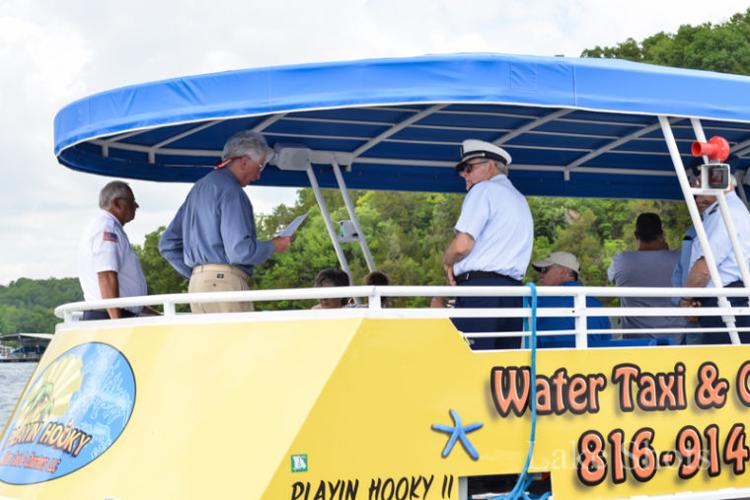
At the event’s 60th anniversary, Meyer and others held a Memorial Wreath Ceremony, on May 28, 2014. He says the memorial was meant to recognize the gravity of water-related tragedies in the early years of the Lake of the Ozarks. It also served as “a tribute to the major strides made in Boating Safety and Search & Rescue responses currently available on Lake of the Ozarks, which in part, are a result of lessons learned from tragedies such as this,” he said.
Grand Glaize Memorial Ceremony
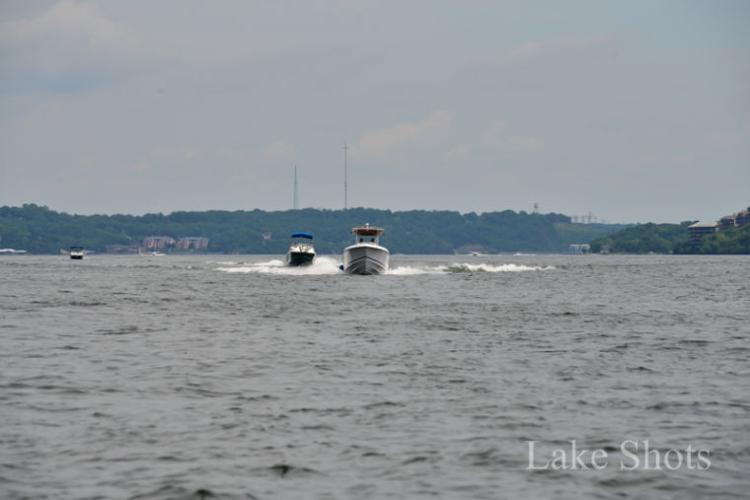
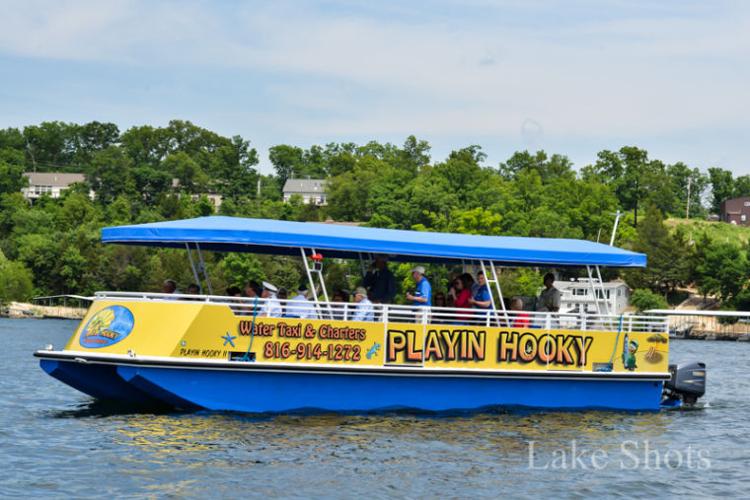
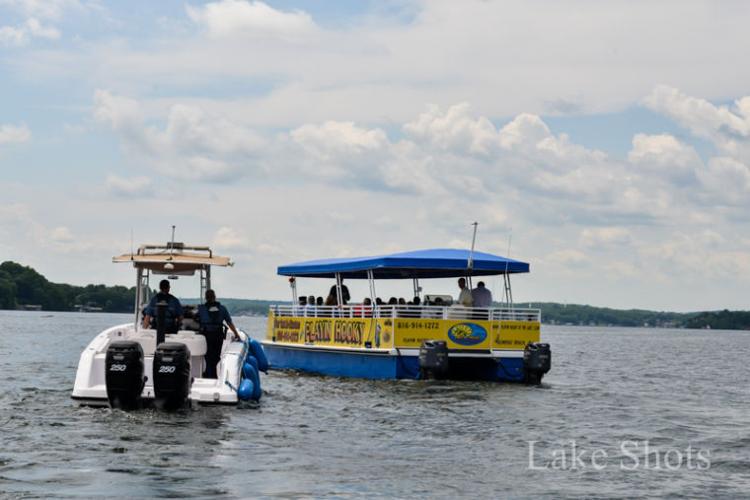
In a touching tribute to the lives lost 60 years ago when the excursion boat Grand Glaize sank on the Lake of the Ozarks—and in honor of the strides in water safety that have been made since that time—Captain Charles Meyer led a memorial ceremony and wreath-laying at the 4 Mile Marker on Wednesday, May 28.
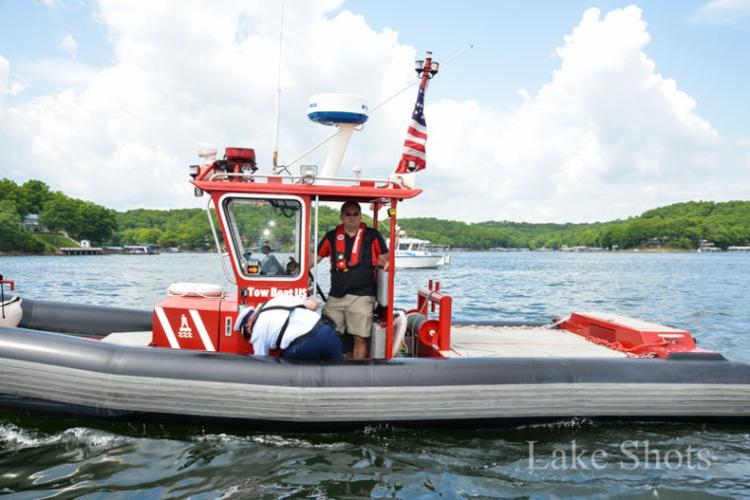


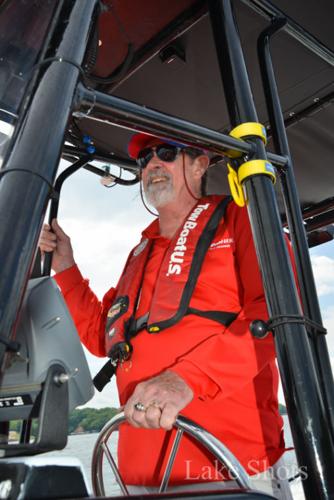
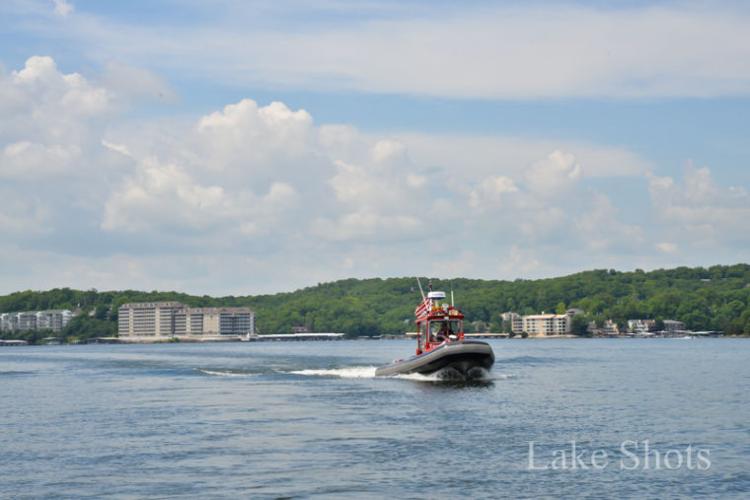


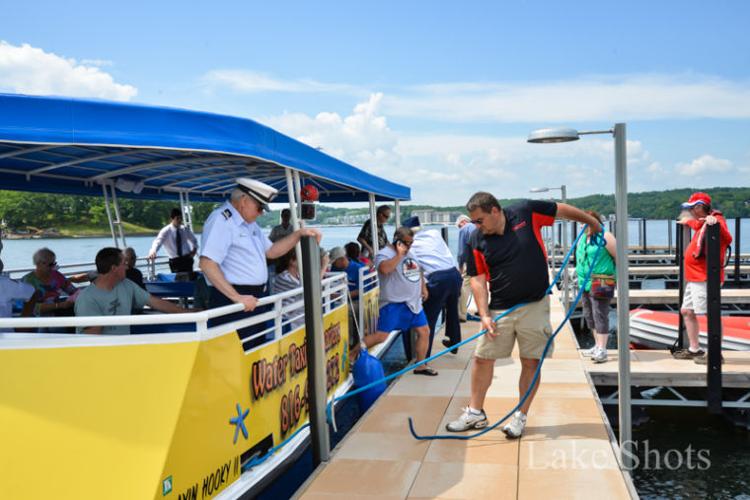









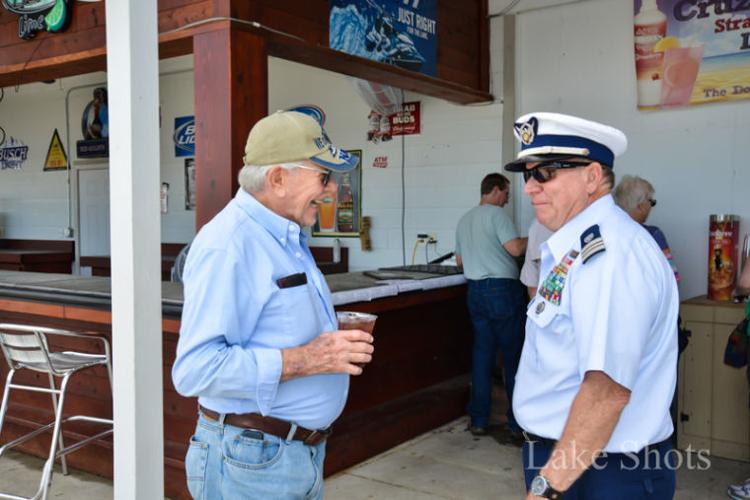


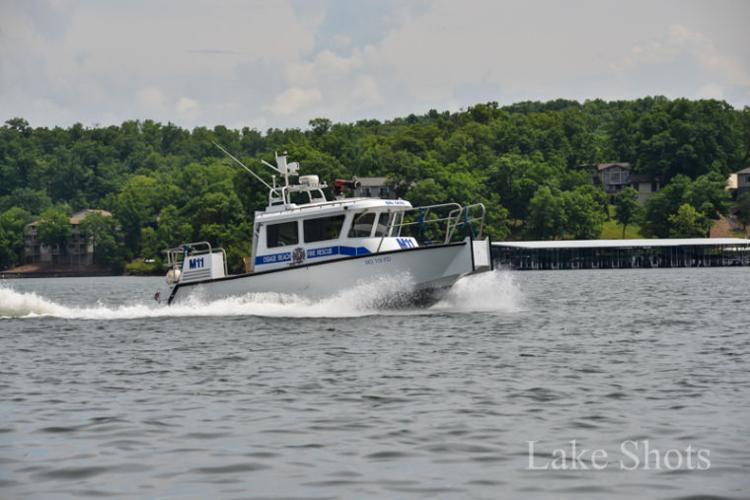


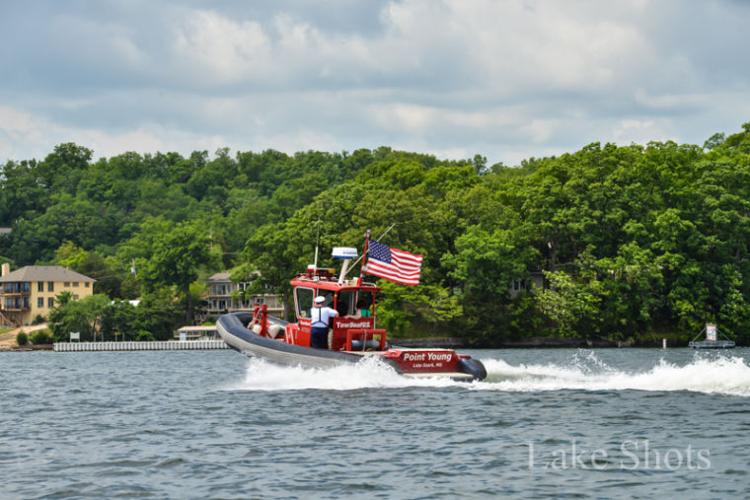








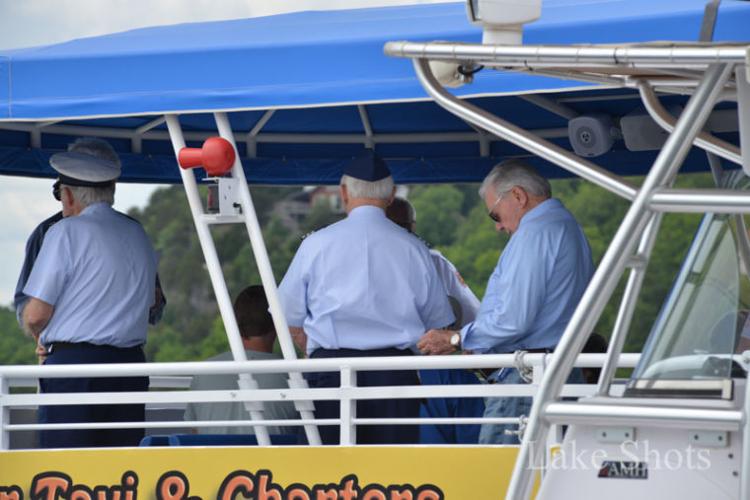


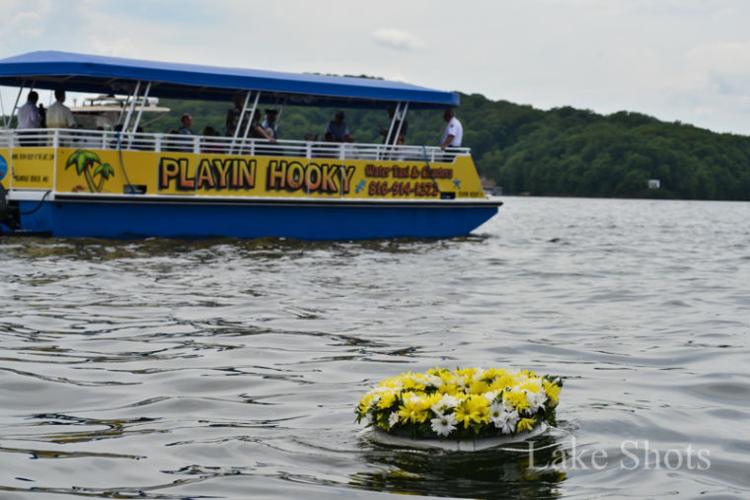


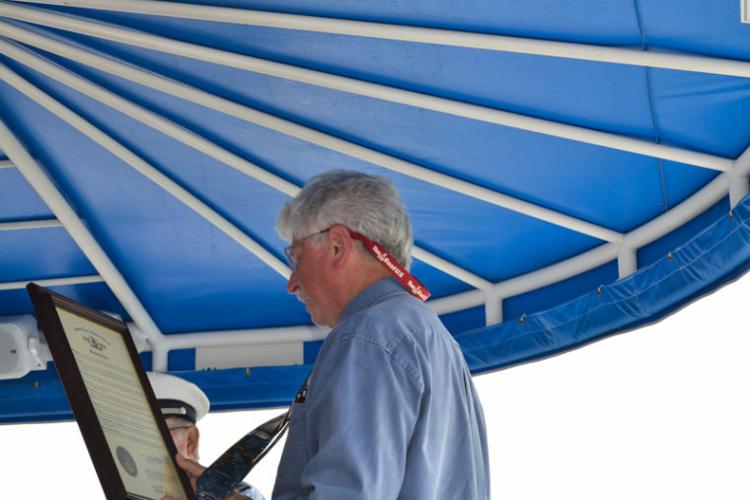
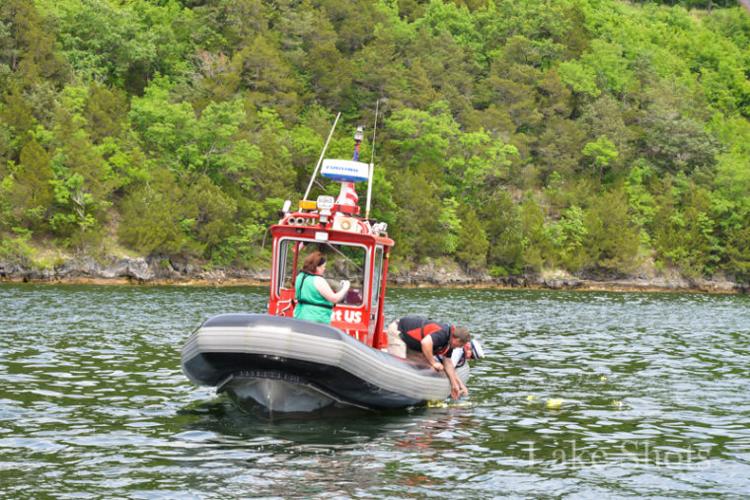

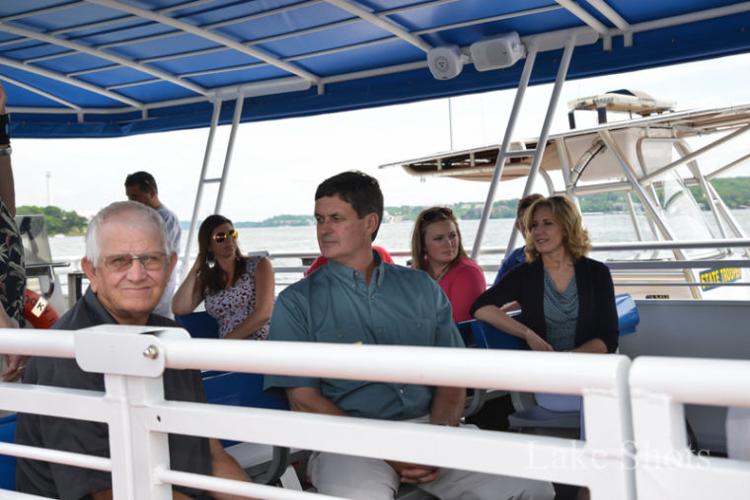


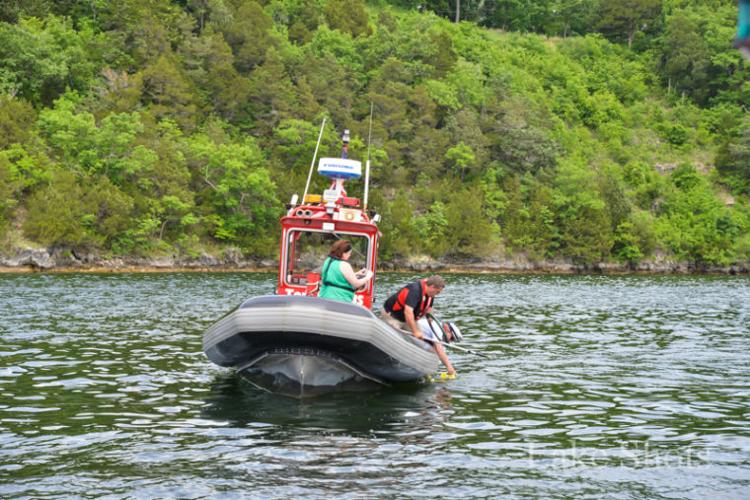

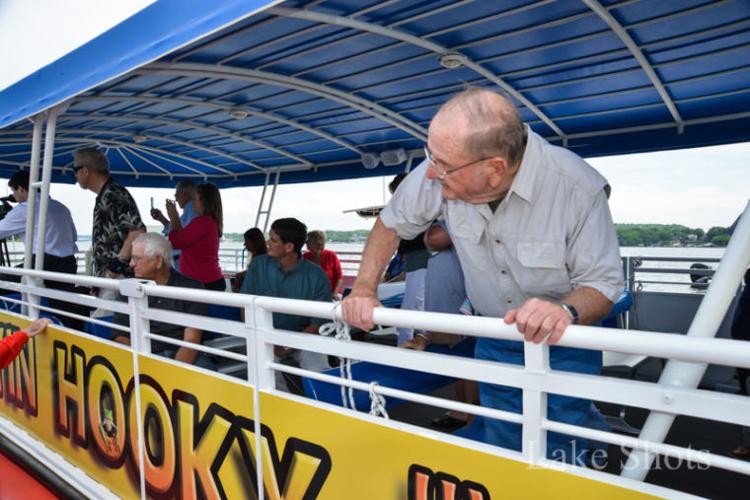

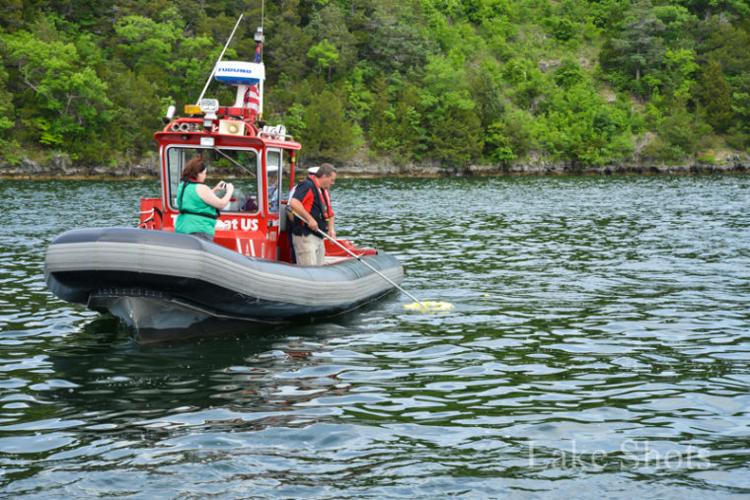

Meyer had considered penning a book about the incident; for now, his years’ worth of gleaned information is tucked away, in computer files and printouts. But the details those files contain range from heart-wrenching to mind-bending.
Among them:
- The disappearance of Thomas and Dorothy (Buckley) Fahey
- The disputed number of people killed in the incident. Some say six; others say eight. Meyer notes that two other people drowned in an unrelated incident that weekend, bringing the number of people drowned or missing on that Memorial Day weekend to 10
- The suddenness and ferociousness of the storm. Meyer notes historical records reveal there was a tornado confirmed in Miller County that day.
- The age of the captain: at 18 years old, Perry Graham Jr. was one of the youngest certified captains in the state.
- Loc-Wood Boats, the owner of Grand Glaize, put the boat back in service in less than two weeks after the incident, with Graham Jr. again at the helm. Four years later, another of Loc-Wood’s vessels—the Tuscumbia—ran over and killed a skier on the Lake, in the same area that the Grand Glaize capsized.
Truly, the story has all the makings of a major motion picture. In fact, it was featured on the Animal Planet TV show “River Monsters,” (Season 4, Ep. 1) where wild speculation about the fate of the three people whose bodies were never found landed on a theory that they were eaten by giant catfish.
TV sensationalism aside, the disappearance of those three—along with several other elements surrounding the Grand Glaize tragedy—remains shrouded in a seemingly impenetrable mystery.

LAKE OF THE OZARKS, Mo. — All hands were on deck to keep one of the Lake’s most famous party…
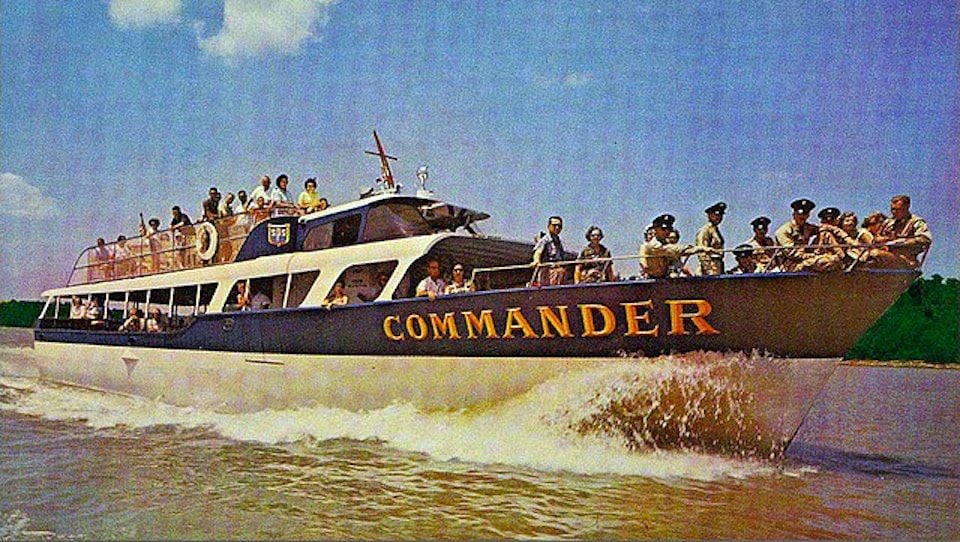
She measures 68.5 feet long and 16.5 feet wide, and if a boat could talk, The Commander coul…


