

OSAGE BEACH, Mo. — It would be one of the most ambitious developments in Lake of the Ozarks’ history — and by far the most expensive.
The investment group with plans to redevelop the nearly-empty Osage Beach Marketplace (commonly known as the “outlet mall”) has revealed details about their aims, in a financing package application submitted to the City of Osage Beach.
In the Tax Increment Financing (TIF) application submitted on Jan. 28, 2026, Osage Beach Investment Group, LLC laid out its plans for a $650 million multi-phase redevelopment, spanning a six-year period, with completion expected in 2031.
What Will They Be Building?
The development group confirmed in the application it has already locked-in its anchor-store, though it did not give any specific names. However, previous public statements from the group have confirmed Bass Pro Shops, as the project’s anchor. “We’re thrilled to be part of a project anchored by a nationally recognized brand like Bass Pro Shops,” one of the developers, Christopher Foster, told LakeExpo in 2025.
And while the group stated in the TIF application that the businesses with whom it’s currently working are still confidential, they did describe a general mix of uses at the 95-acre site:
• Retail
• Restaurants
• Hotels
• Entertainment
• Recreation
• Infrastructure (roads, utilities, signage, stormwater, parking, landscaping)
What Are They Asking For?
When developers ask a public entity (city/county/state) for certain tax incentives, they must provide a “But-For,” which is essentially an explanation about why the project would not be financially viable without those incentives. In this redevelopment plan, the group says that without the incentives, their planned development’s return-on-investment would be -1.44%. In other words, a non-viable project.
But, they argue, the incentive package they’re requesting (outlined below) would make the return-on-investment an estimated 6.38%.
The developers are seeking a wide array of public incentive tools to help fund the project, totaling an estimated $149 million (approximately 23% of the total project cost).
Those tools include:
• TIF revenue (PILOT + EATS) — $40.4 million — this would take some of the new tax revenue generated by the project (property tax increase due to increased property value, and sales tax increase due to all the new economic activity) and allow it to be funneled toward repaying certain infrastructure-related project costs — rather than going into the general revenue for the various taxing districts. This is not a permanent arrangement, and the TIF would be phased out after a set number of years, with all tax revenue eventually being restored to the respective districts.
• State supplemental TIF — $24.6 million — often known as a “super-TIF,” this provides state-level tax redirects on the sales-tax side, similar to the local district TIF
• City hotel sales tax rebates — $2 million — a rebate of the city’s general sales tax revenue that would be generated from hotel rooms
• CID revenue — $48 million — a special district (Community Improvement District) created specifically for this development that can add an additional tax onto transactions within the development (this mechanism has been used for multiple developments at the Lake)
• TDD revenue — $22.5 million — a special district (Transportation Development District) specifically for this development that can add an additional tax onto transactions within the development. The revenue from that tax would go toward paying specifically for road infrastructure (this mechanism has been used for multiple developments at the Lake)
• Entertainment district revenue — $11.2 million — a special district allowed by Missouri law that can impose certain taxes that would support development of entertainment-focused amenities

Dreaming of running an event or wedding venue? Scrap the building plans: there are multiple …
The TIF Approval Process
A TIF is a funding tool used by many developers; essentially it is an agreement between a government entity (county/city/state) and the developer to offer incentives such as a property tax freeze or bond opportunities. The TIF agreement is then used by the developer as part of the project funding package.
In the TIF application process, a developer must first submit an application, then triggering the activation of the TIF Commission.
The commission reviews the application and then holds a public meeting, where the public may offer comment on the application.
The commission will then vote on whether to recommend approval or rejection of the application to the City Board of Aldermen. That recommendation is then passed to the Board of Aldermen, which has the prerogative to approve or reject the application (the board considers the TIF Commission's recommendation but is not required to abide by it).
The public hearing for this TIF application is set for Wednesday, April 1, at 5 p.m. at City Hall.
Background
At its peak, the Osage Beach Outlet Mall had upwards of 110 tenants and was a bustling center of commerce in the city. Now, nearly all the storefronts are vacant, with a mere 16 tenants. Meanwhile, some areas of the mall’s infrastructure are in extreme disrepair, and assessed values at the mall have dropped by more than 60% since 2015, according to the developers — that means a dramatic dip in tax revenues.
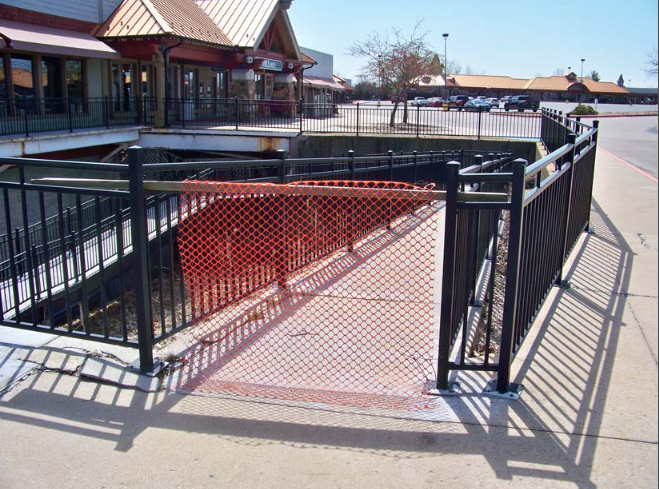
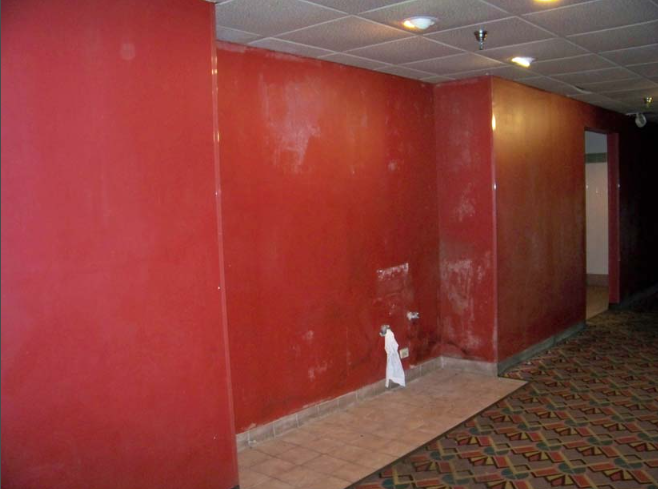
PHOTOS: "Blight" At The Osage Beach Outlet Mall
The Osage Beach Mall has been on the decline for the last few years but a blight study done by developers in 2023 shows just how troubled areas of the mall have become.
Photos courtesy of City Of Osage Beach Commission Meeting Packet
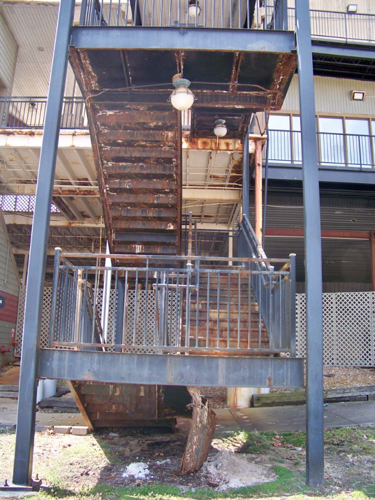
4540 Osage Beach Pkwy – looking west – closure of stairs due to corroded steel structure, collapse of landing
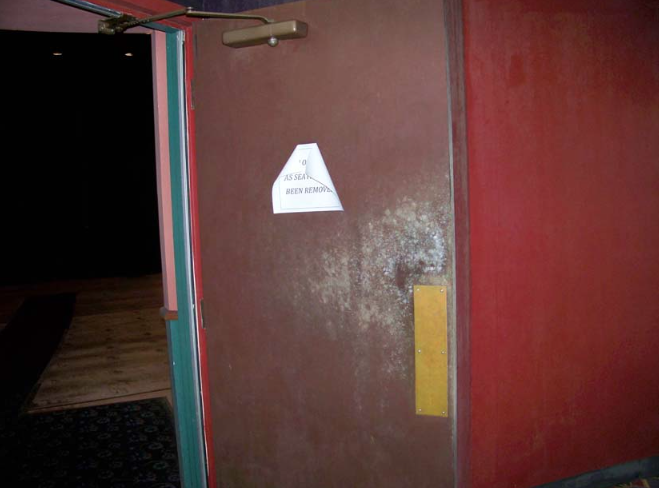
4540 Osage Beach Pkwy – interior – presence of mold
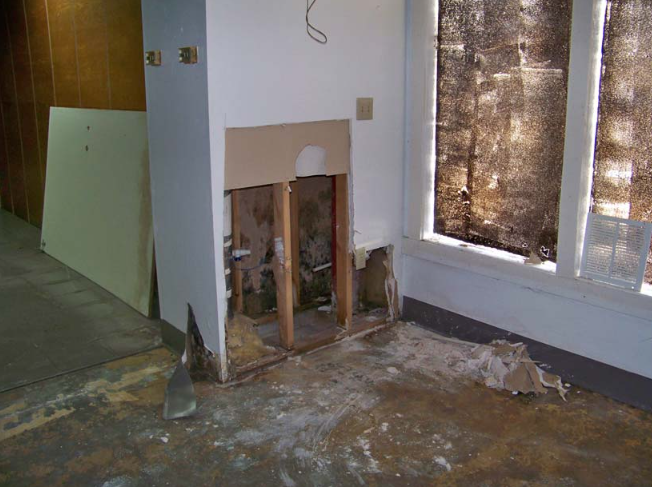
4540 Osage Beach Pkwy – interior – presence of mold
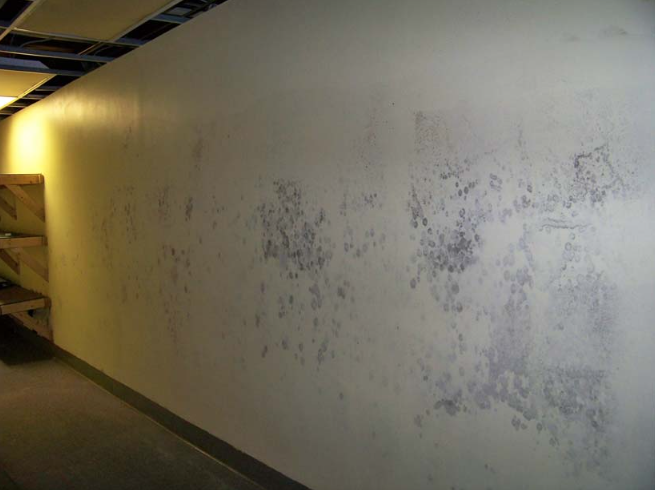
4540 Osage Beach Pkwy – interior – presence of mold
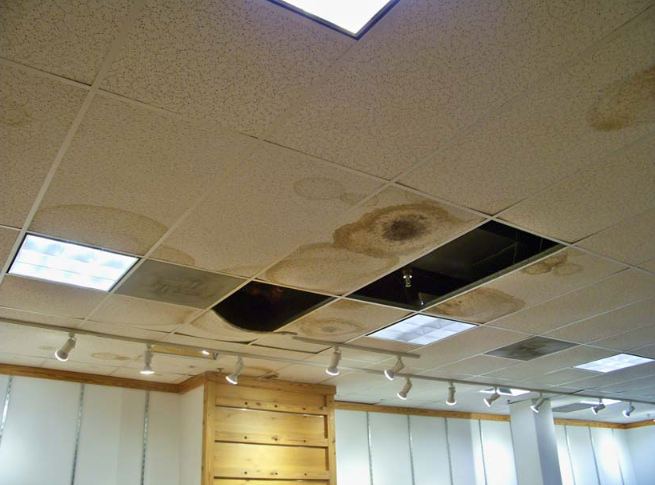
4540 Osage Beach Pkwy – interior – presence of mold

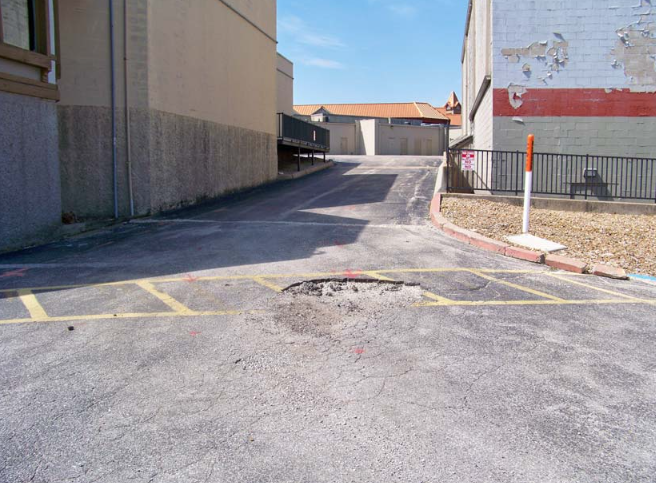
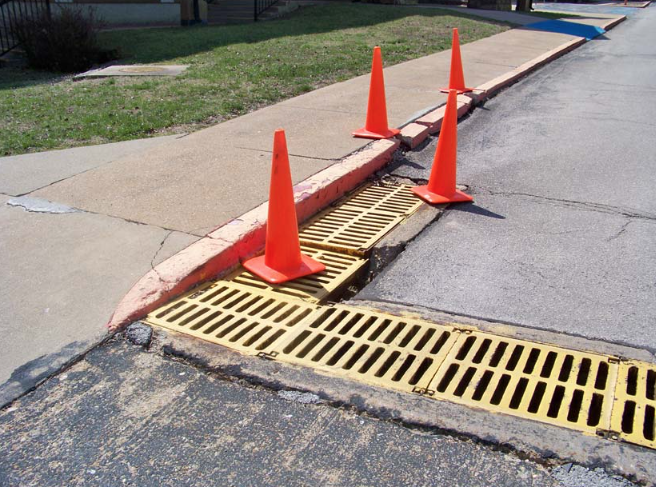
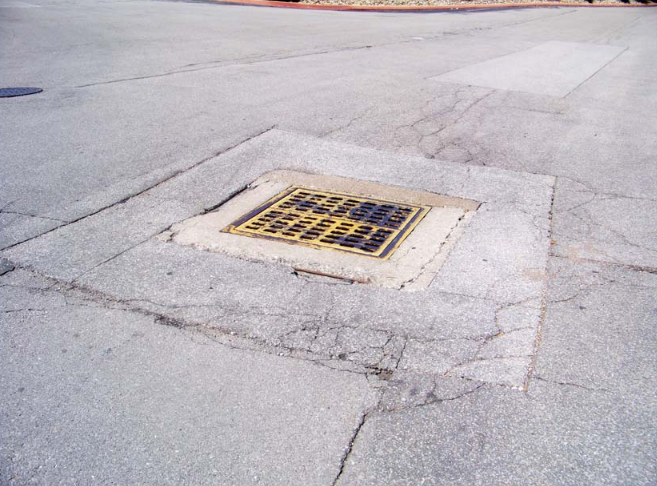
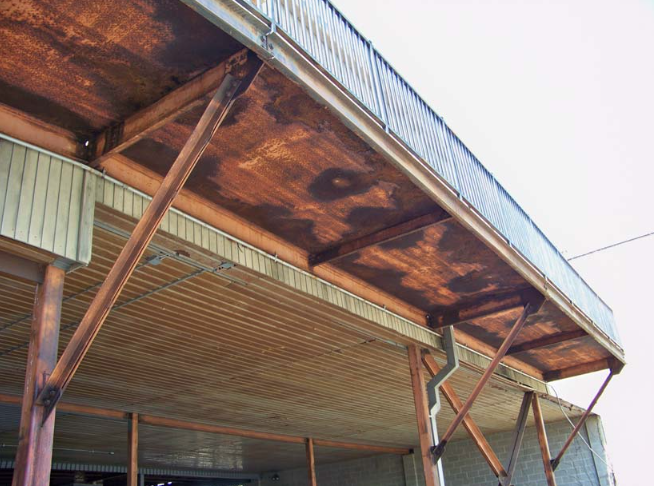
4540 Osage Beach Pkwy – looking west – corroded steel structure and walkway
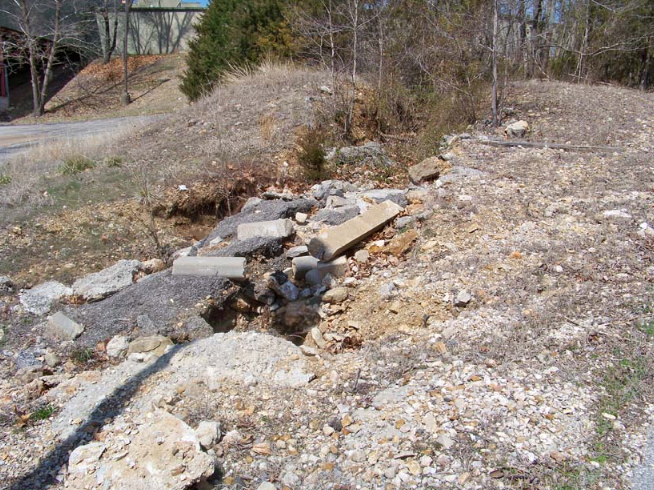
4540 Osage Beach Pkwy – looking north – trash/debris; poor drainage/erosion
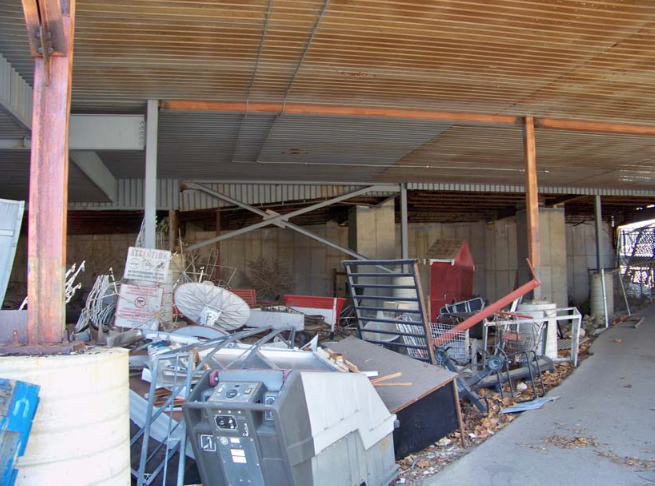
4540 Osage Beach Pkwy – looking west – trash/debris
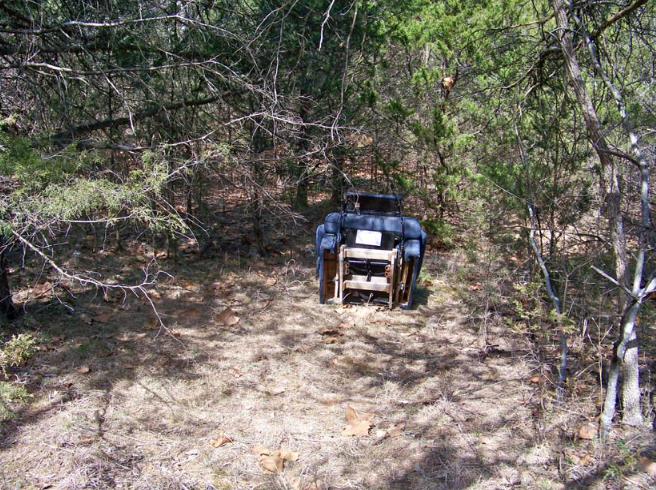
4540 Osage Beach Pkwy – looking north – illegal dumping

4540 Osage Beach Pkwy – interior – lack of emergency signage
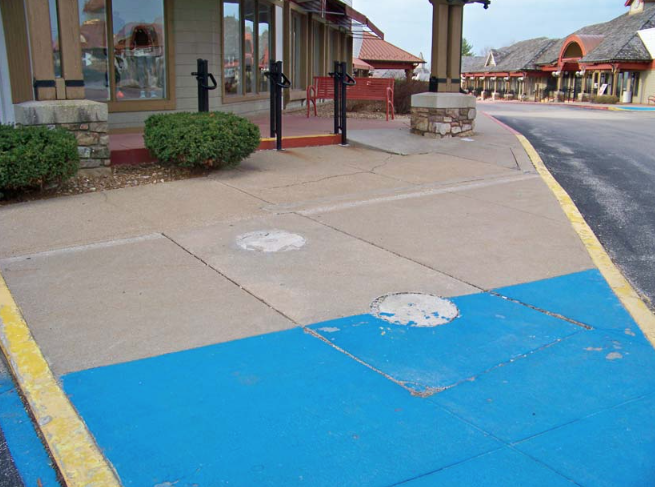
4540 Osage Beach Pkwy – looking south – improper ramp per ADA code
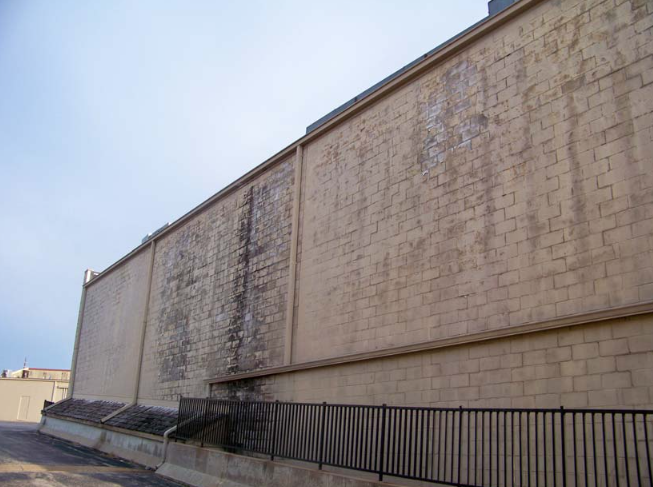
4540 Osage Beach Pkwy – looking northwest – deterioration of shake shingles; failure of finishes
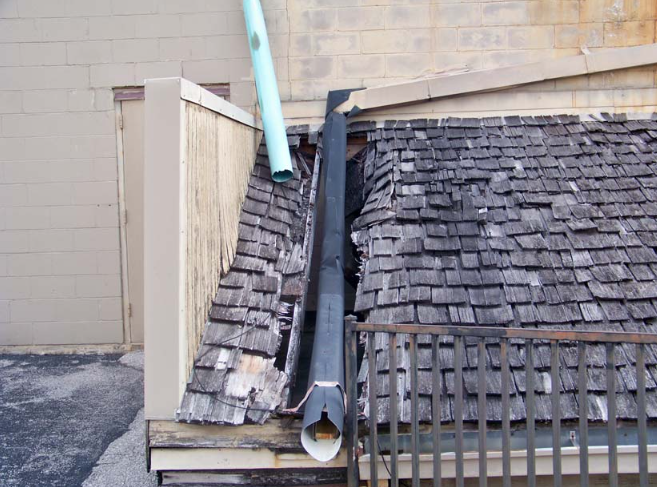
4540 Osage Beach Pkwy – looking west – deterioration of roof, fascia, downspouts; failure of finishes
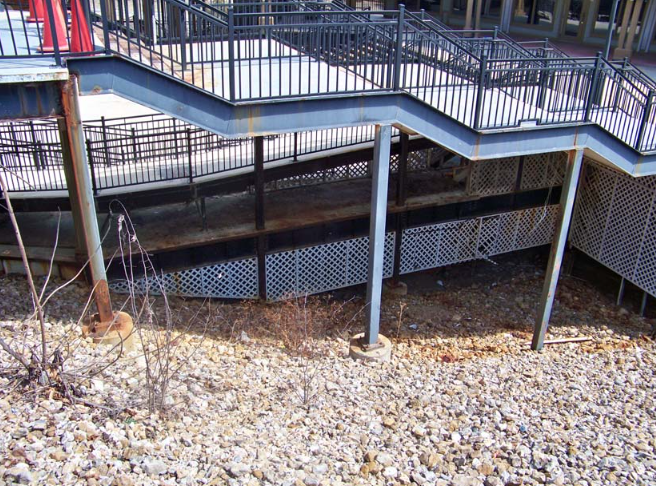
4540 Osage Beach Pkwy – looking east – deterioration of steel structure
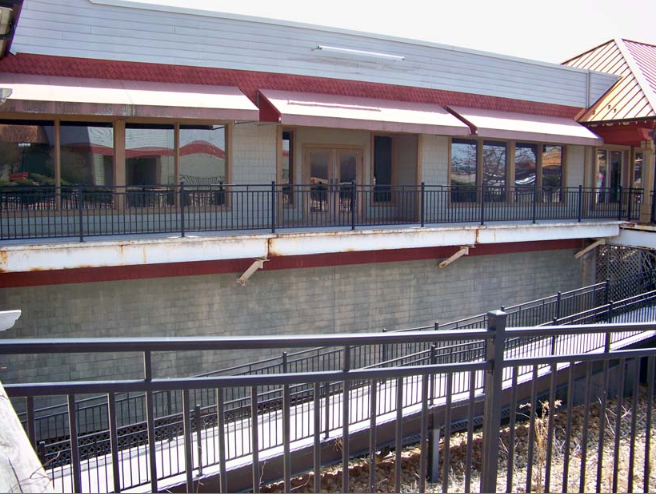
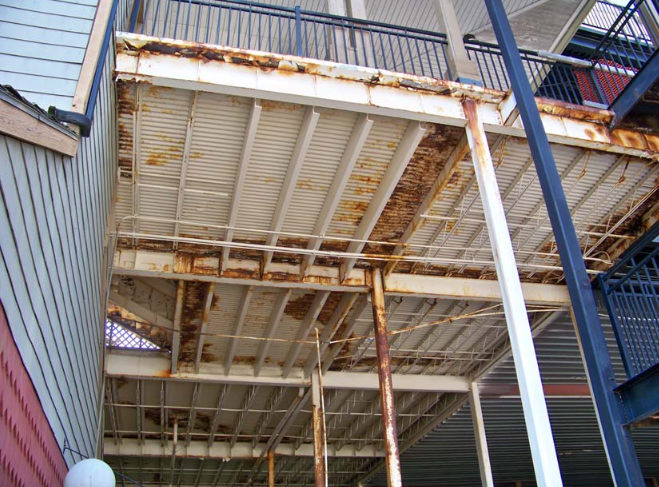
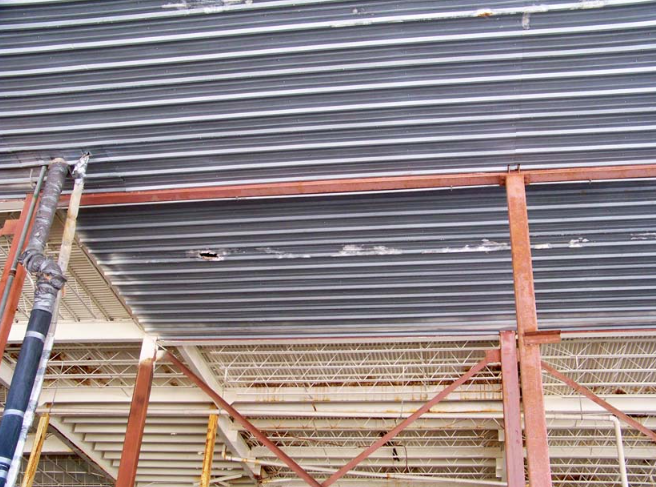
4540 Osage Beach Pkwy – looking west – deterioration of steel structure; failure of finishes
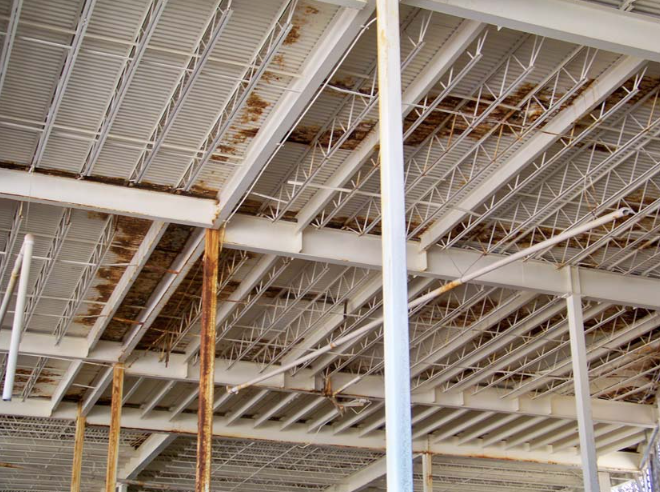
4540 Osage Beach Pkwy – looking west – deterioration of steel structure; failure of finishes
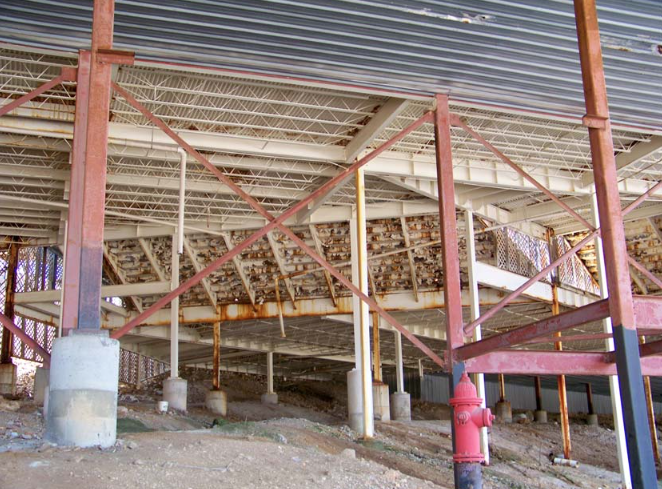
4540 Osage Beach Pkwy – looking west – deterioration of steel structure; failure of finishes
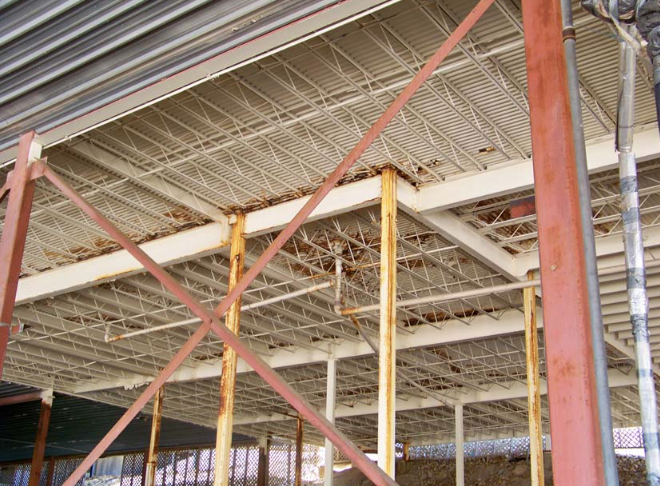
4540 Osage Beach Pkwy – looking west – deterioration of steel structure; failure of finishes

4540 Osage Beach Pkwy – looking northeast – deterioration of siding; failure of finishes
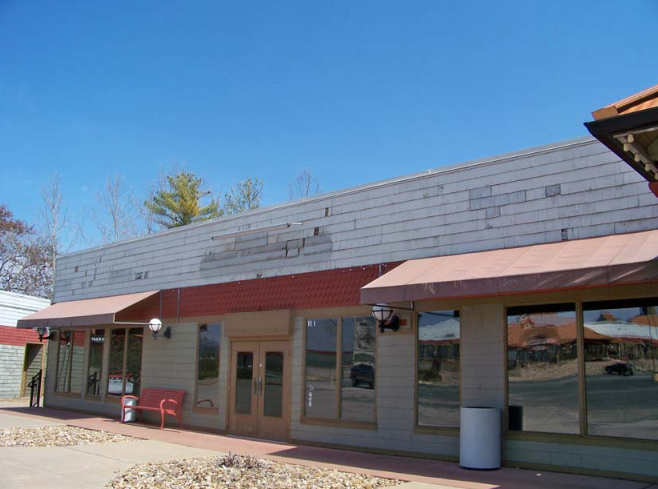
4540 Osage Beach Pkwy – looking east – deterioration of siding; failure of finishes
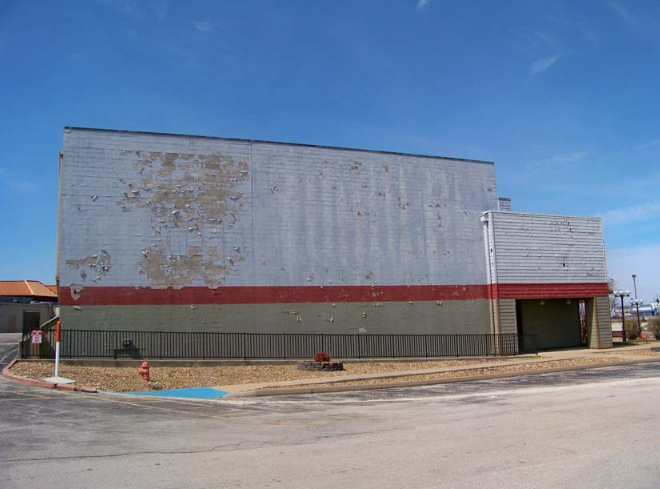
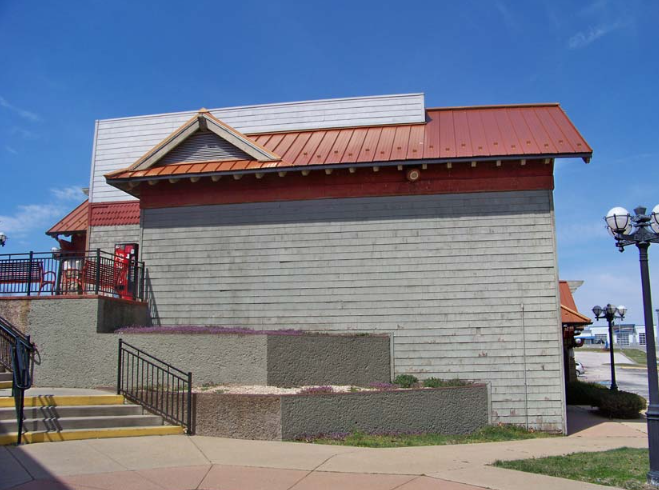
4540 Osage Beach Pkwy – looking north – deterioration of siding; failure of finishes
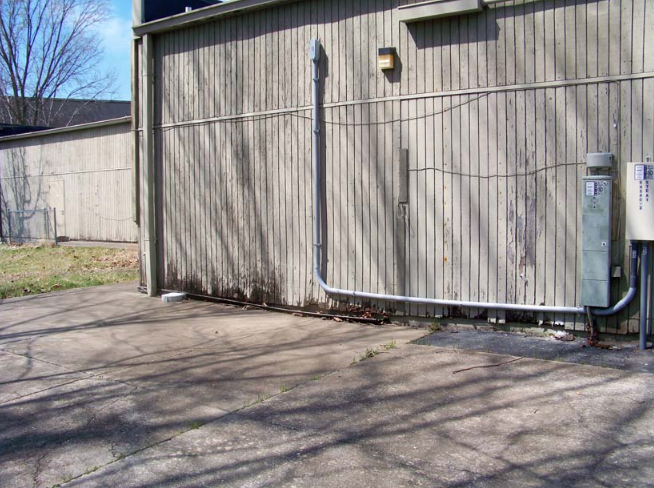
4540 Osage Beach Pkwy – looking west – deterioration of siding; failure of finishes
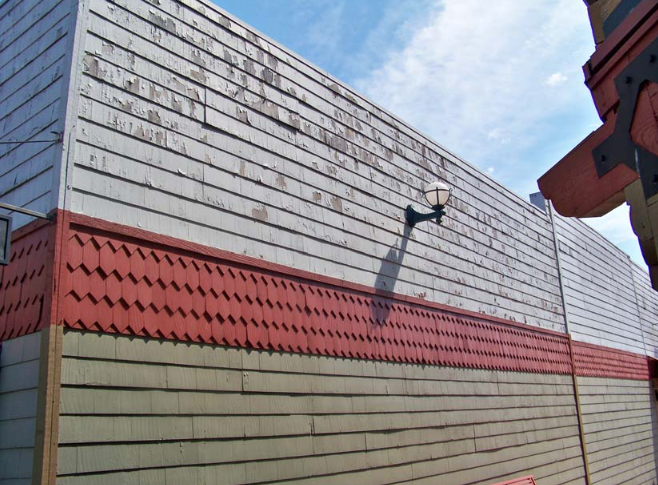
4540 Osage Beach Pkwy – looking east – deterioration of siding; failure of finishes

4540 Osage Beach Pkwy – looking northwest – deterioration of siding; failure of finishes
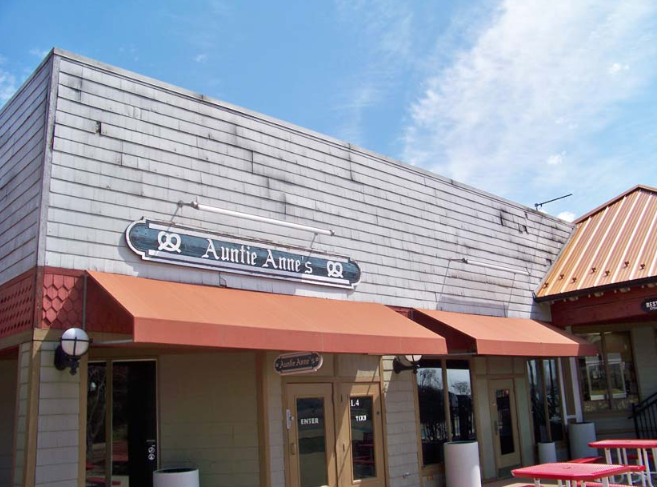
4540 Osage Beach Pkwy – looking east – deterioration of siding; failure of finishes
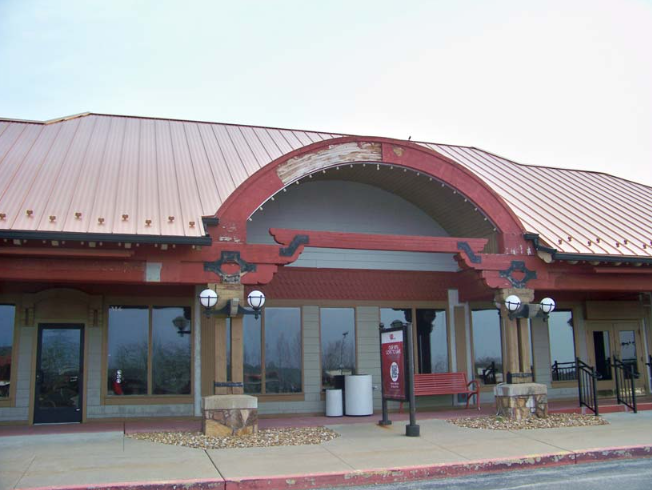
4540 Osage Beach Pkwy – looking north – deterioration of trim
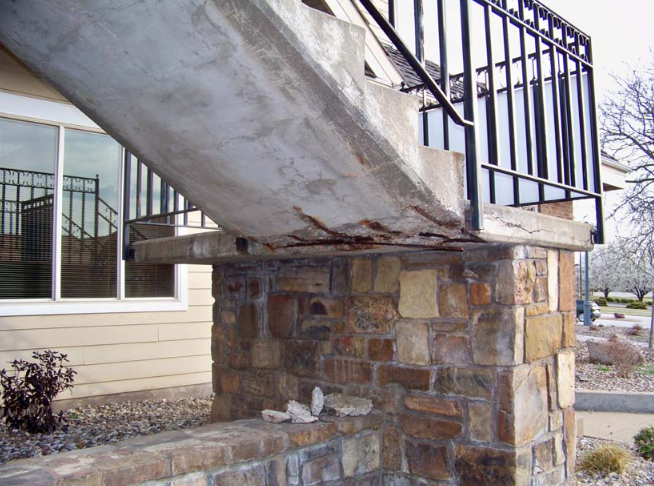
4540 Osage Beach Pkwy – looking northeast – deterioration of stairs
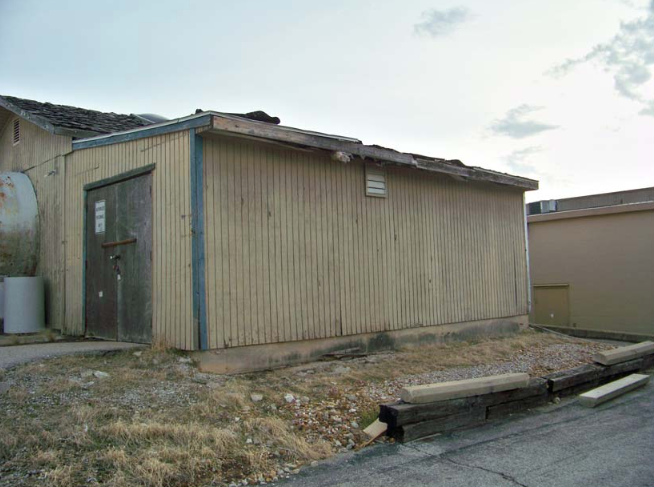
4540 Osage Beach Pkwy – looking north – deterioration of ancillary structure
Christopher Foster, a Lake of the Ozarks native whose family has been in development at the Lake and elsewhere in Missouri, had previously approached the city with a $186 million redevelopment plan in partnership with another developer, in 2021. Negotiations with the City fell through at that time, and Foster’s group had not yet purchased the mall (though they had it under a contingent contract).
In 2024, Foster partnered with different developers and the group announced they had purchased the mall.
In 2025, Bass Pro Shops announced they would be coming in as the anchor store for the mall’s redevelopment.
The submission of the TIF application in January 2026 marks a significant move forward and is the first time the full scale of the project has been made public.
More exclusive LakeExpo coverage below…

The outlet mall was once a major pillar of Lake of the Ozarks' economy.


