


Lake of the Ozarks boaters and residents are buzzing about a strange sighting... small vessels resembling inflatable catamarans, traversing Lake of the Ozarks.
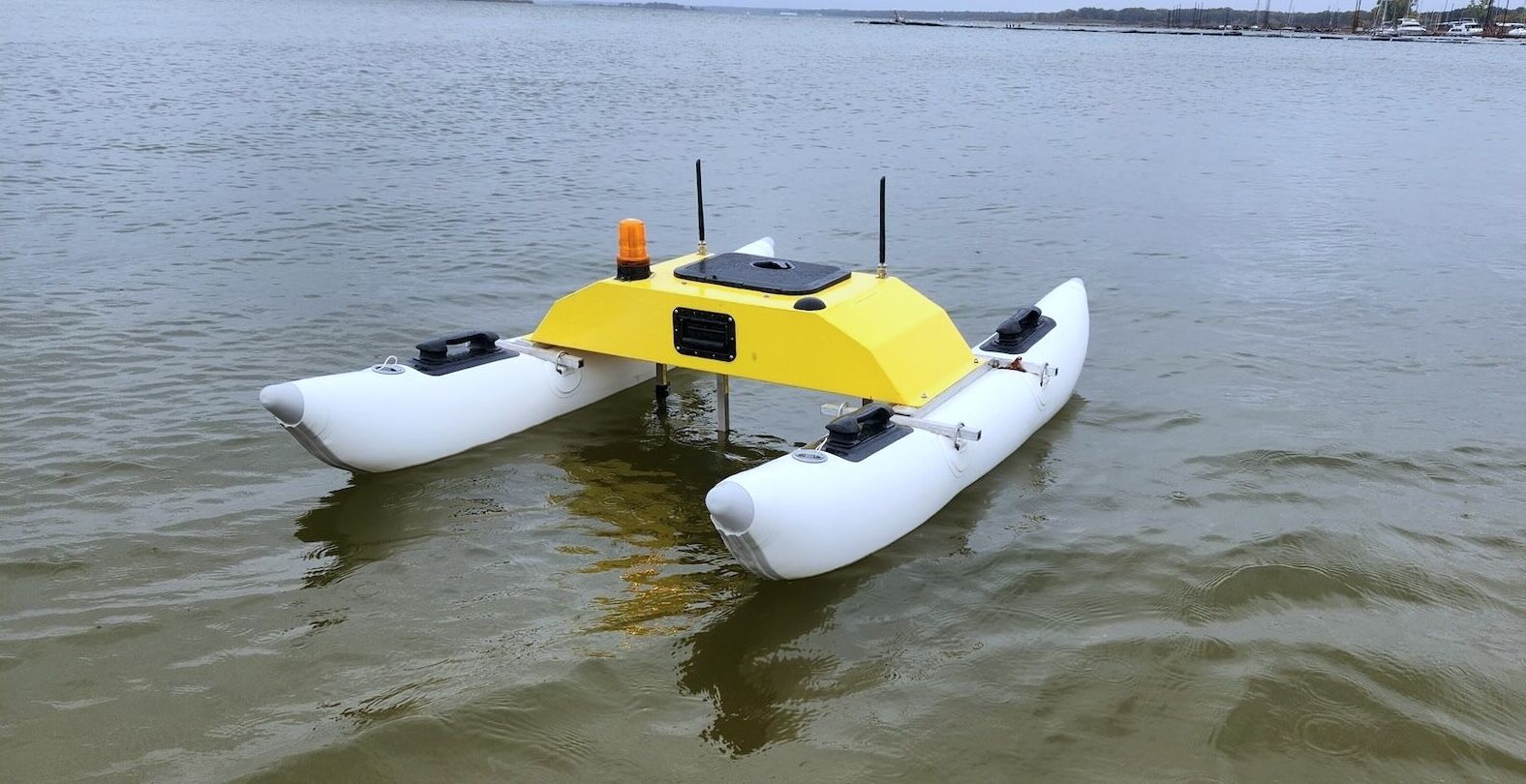
And while powerboat catamarans may be a common sight on the Lake, these catamarans are different. They're only about six feet long. And they're unmanned.
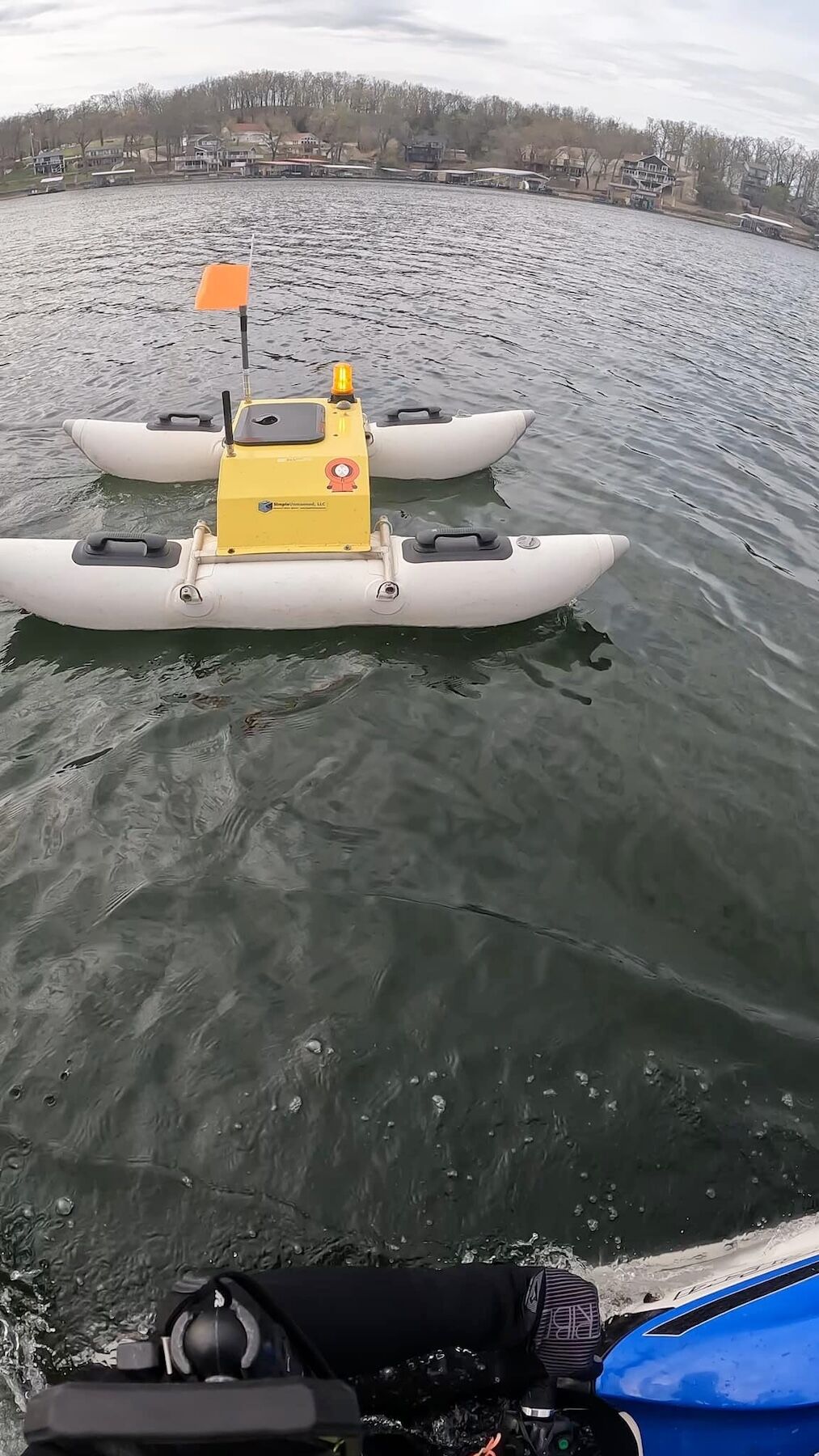
Speculation has abounded. Some residents have joked it’s the future of DoorDash. Not a bad idea, but not correct in this case. So who's behind the drones?
Not the Missouri State Highway Patrol.
Capt. Dusty Hoffman with the Patrol noted, “Ameren and the Water Patrol division are monitoring the progress of this unique project, but we are not a part of it.”
Not Ameren (the utility company that owns and operates Bagnell Dam and regulates the Lake's shoreline).
An Ameren official said they were made aware of the work, but no permits were required to run the unmanned boats.
So the LakeExpo team dug deeper and discovered the unmanned boats are performing a very specific job, one that fishermen will especially appreciate.
These six-foot-long Unmanned Surface Vehicles are doing contour mapping to update charts for the Lake. That's according to Willis Maxson of SimpleUnmanned, LLC. Maxson built the boats himself, and he is running the fleet under a private contract to collect detailed data about the Lake floor. His confidentiality agreement prohibits him from disclosing who he's working for.
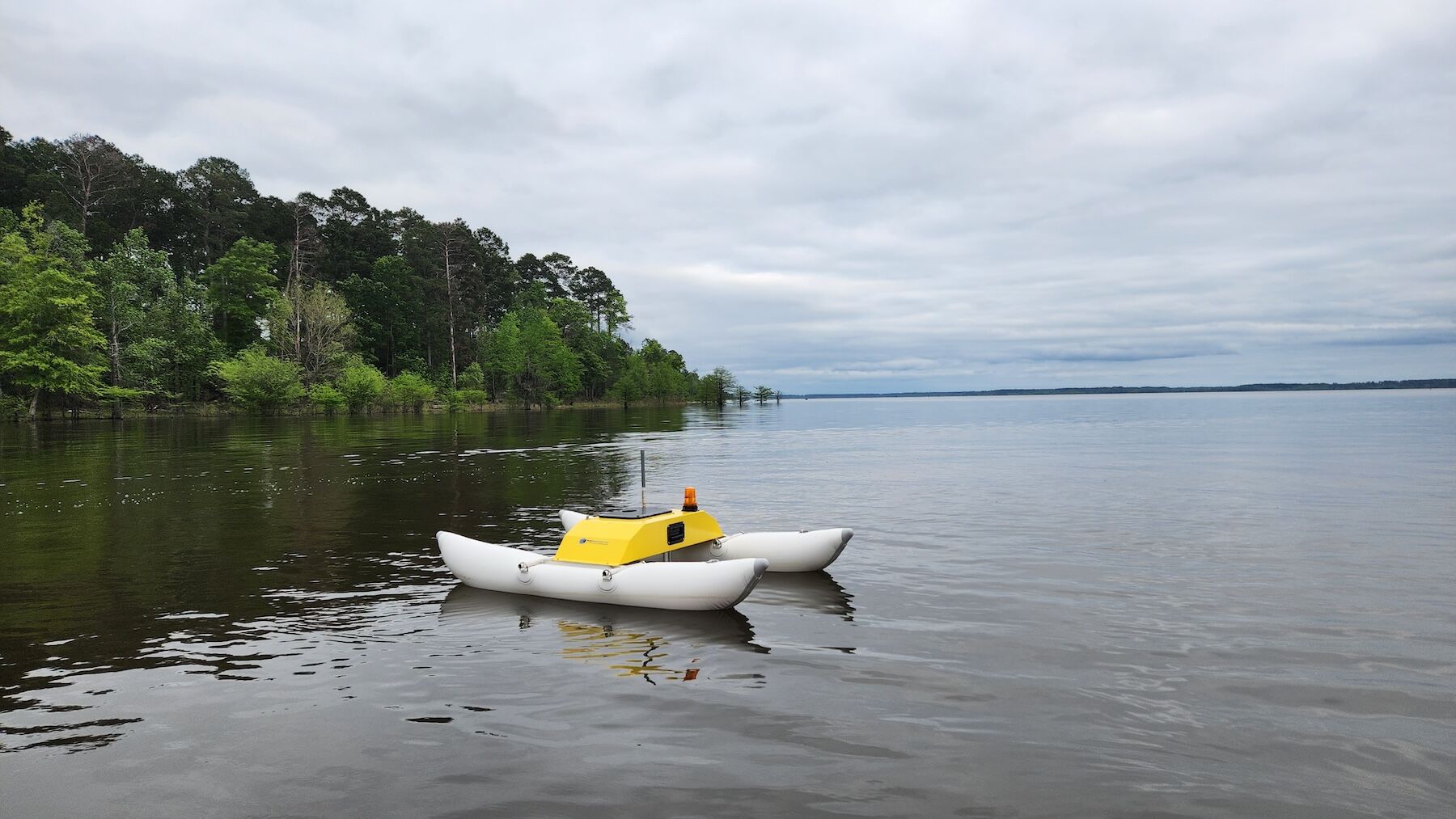
There are currently seven catamaran style boats being utilized, equipped with GPS and sonar. Maxson said the battery-powered vessels communicate via the cellular network and run on a preprogrammed path collecting depth and location continuously.
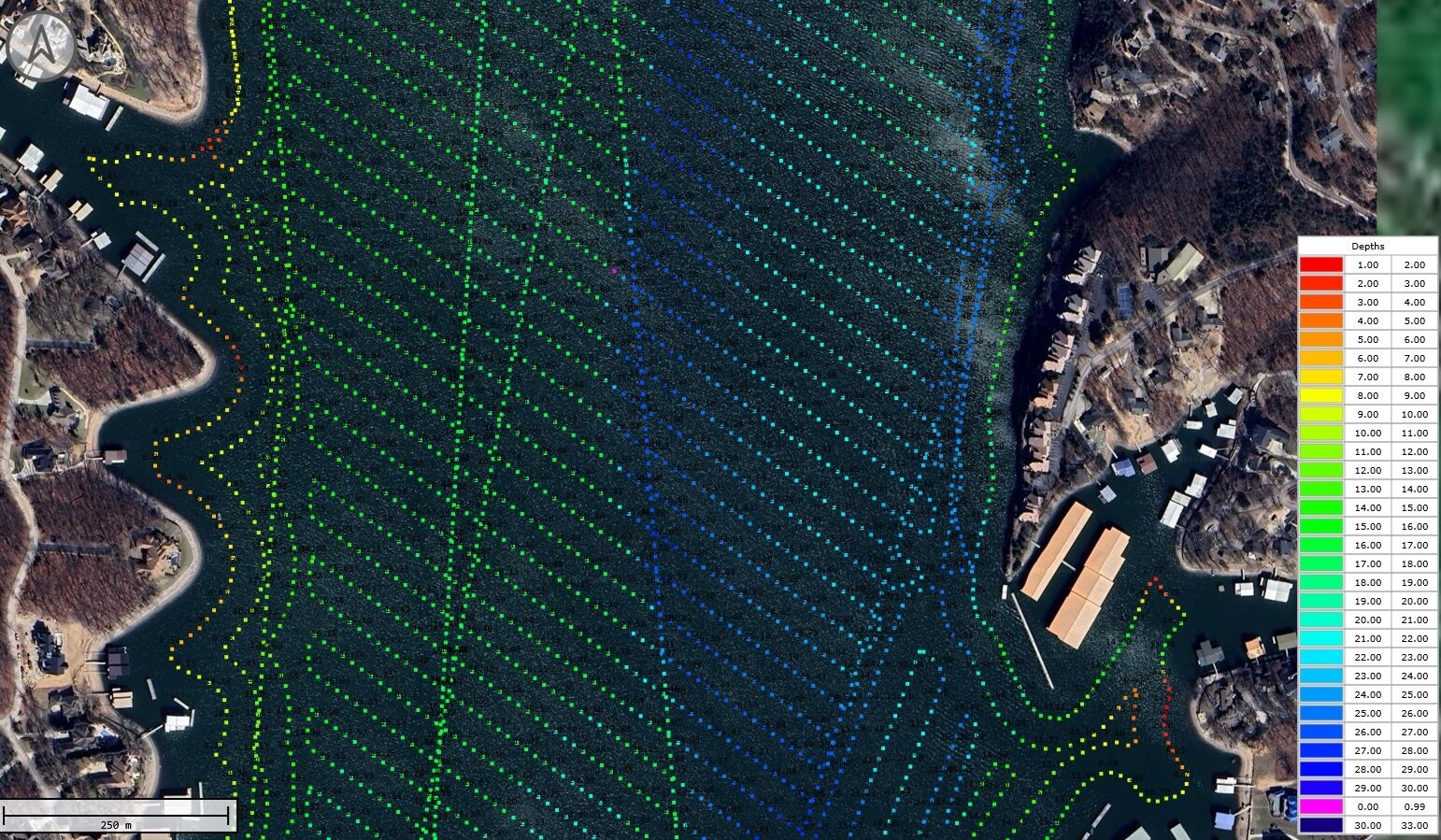
The USVs travel 2 mph, logging data five times per second, and they cover about 70 km (or approximately 43.5 miles) per day.
“On open water areas, they do their thing mostly autonomously and I just monitor them from a computer. For inlets, coves, shorelines, or areas with marinas, it’s more involved,” Maxson said. “For areas with a lot of traffic like a marina or boat ramp, I usually run the area late at night, go observe in-person from a boat or observe the camera feed from the USV, depending on the situation.”
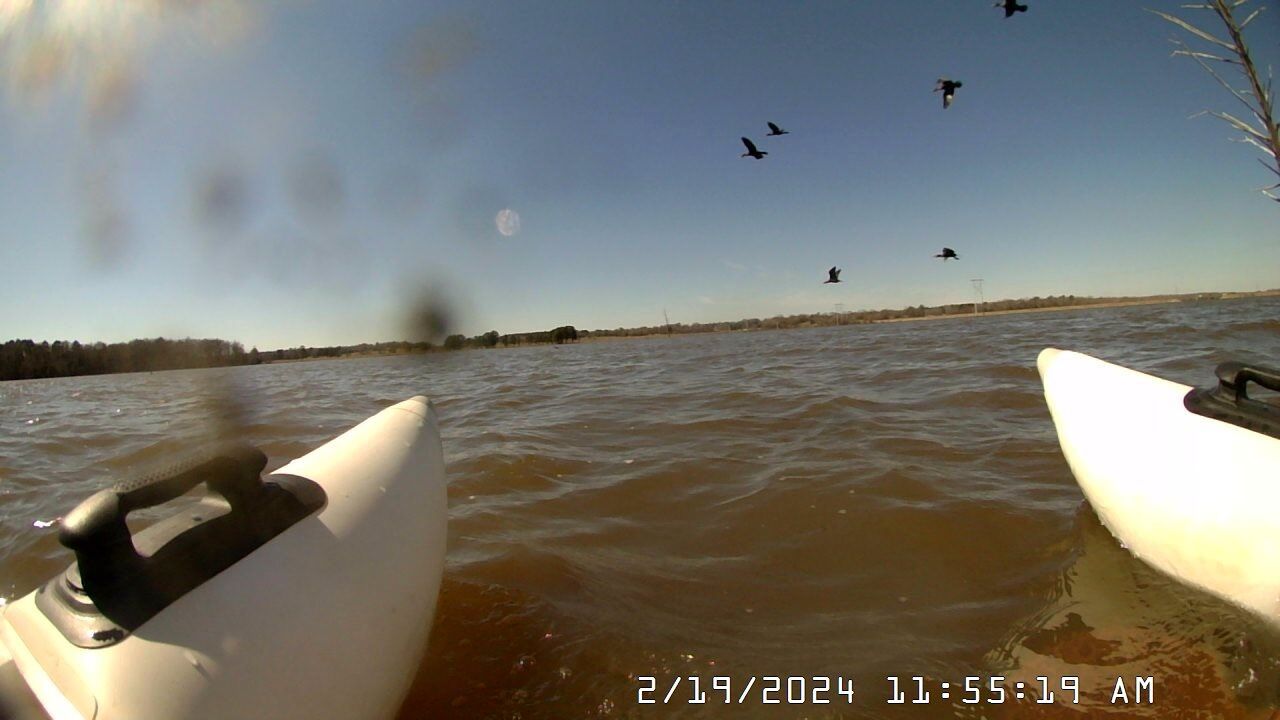
And while the drones are equipped with front-facing cameras, Maxson said there shouldn’t be concerns about privacy regarding the cameras.
“Think of it more like a dash camera; the cameras are facing forward and used for navigation and to deter theft – the feed is not publicly available nor is it recorded long term,” Maxson said. “I understand the concern and wish to respect the community. For example, I live at a lake in Texas and wouldn’t like it if I thought a company or government was using drones to survey for dock or building code violations.”
The USVs only read depth directly under the boat, so the vehicles make many passes through a cove to get accurate depth maps. When they go into each cove on the Lake, the drones stay far enough away from the shore to avoid docks, Maxson added. He typically doesn’t send them into spots with less than 1.5 feet of depth.
The Lake level follows Ameren’s guide curve for the year, which means in the winter and early spring, some places have a dry cove.
Maxson said he’ll most likely catch those spots when he comes back and the Lake level is higher.
“I plan to either be finished or pause around the beginning of May 2024 due to increasing boat traffic during peak season,” said Maxson. “If I’ve not completed by then, I’ll return in the winter after traffic dies down to complete the project.”
While the vessels are unmanned, Maxson said the work is pretty hands-on. He has done several projects on Texas and Oklahoma lakes, but this is his first time in the Ozarks.
“This lake has been reasonably smooth so far, though the windy conditions recently add a bit of stress,” Maxson said. “If one breaks down for some reason, it's important to retrieve it before it runs into the shore and is bashed by waves.”
Unfortunately, people have tampered with his vessels in the past — whether due to curiosity or more malicious motivations. Should people come upon one of his drones at the Lake, Maxson asks boaters and Lake residents to ignore it and try not to run over it or get in its way.
“I’ve built them from an inflatable rubberized tube, so if it does bump into something, it’s soft and squishy. It won’t hurt anything, but I always appreciate people leaving them alone,” Maxson said. “I’ve had people try to steal them a few times, pour fish guts in the hatch, jet skiers spray them, get in their way intentionally, etc. Generally most people are good-natured, but like in everything, there are always a few idiots.”
The USVs also send Maxson a text if anything unusual happens, like getting stuck on sand bars or floating debris. Add in the fact that each boat needs a battery switch typically once per day, and Maxson will stay busy until tourist season at the Lake picks up in May and he retrieves the drones, to resume his work this fall.


