
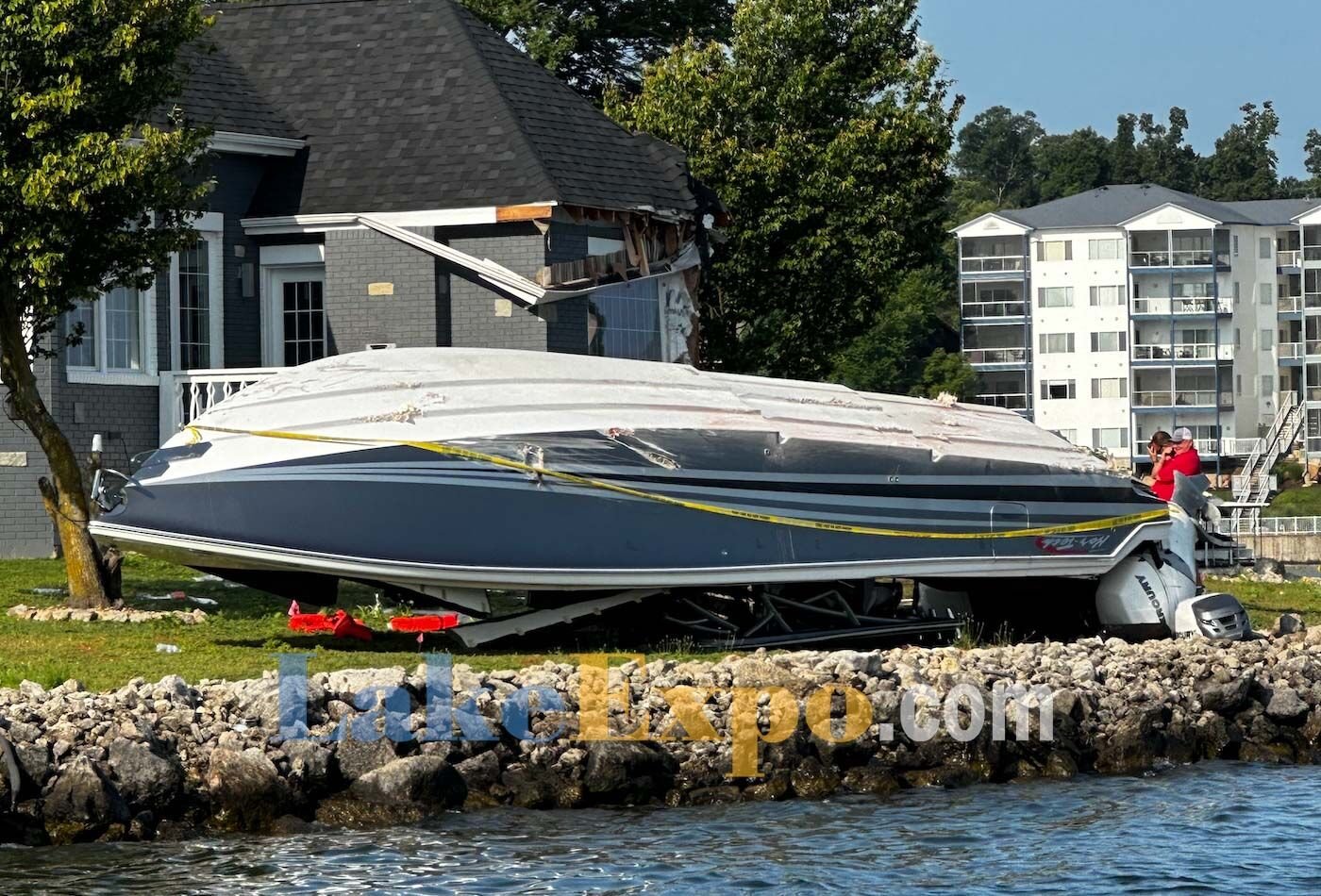
LAKE OF THE OZARKS, Mo. — The driver of the powerboat that crashed into a home on July 22 has been charged with multiple felony counts of Boating While Intoxicated, and court documents have revealed the driver’s alleged blood alcohol content as well as the reported speed of the boat at the time of the crash.
The probable cause document for the arrest of Adam Ramirez, 47, of Huntington Beach, Cali. states that a Missouri State Highway Patrol trooper spoke with Ramirez at the hospital shortly after the crash. The trooper said Ramirez acknowledged having consumed alcohol that night: the document states Ramirez said he had been drinking champagne about two hours before the crash.
According to the probable cause document, the trooper told Ramirez he was under arrest, at 12:55 a.m. on July 23. Just before 2 a.m., a blood sample was taken, according to the document; it reportedly revealed Ramirez’s blood-alcohol content to be 0.185%. In Missouri law, intoxication is considered to be 0.08% and higher.
The trooper also spoke with passengers on the boat, two of whom reportedly said the boat was going between 50 and 60 miles per hour at the time of the crash. The nighttime speed limit on Lake of the Ozarks is 30 mph.
The document also revealed the extent of the injuries of the passengers hurt in the crash. They included broken limbs, extensive lacerations and puncture wounds, organ damage, and chemical burns.
The penalty for Class D felonies in Missouri is up to seven years in prison.
The penalty for Class E felonies in Missouri is up to four years in prison.
Missouri statute does not allow a suspended sentence for individuals found guilty of Boating While Intoxicated if their blood-alcohol level was above 0.15% at the time of the offense.
In cases of class D and E felonies, the court can also opt to imprison for a special term not to exceed one year in the county jail or other authorized penal institution.
Judges may decide whether a person found guilty of multiple crimes should serve their sentences consecutively or concurrently.
Prior Coverage
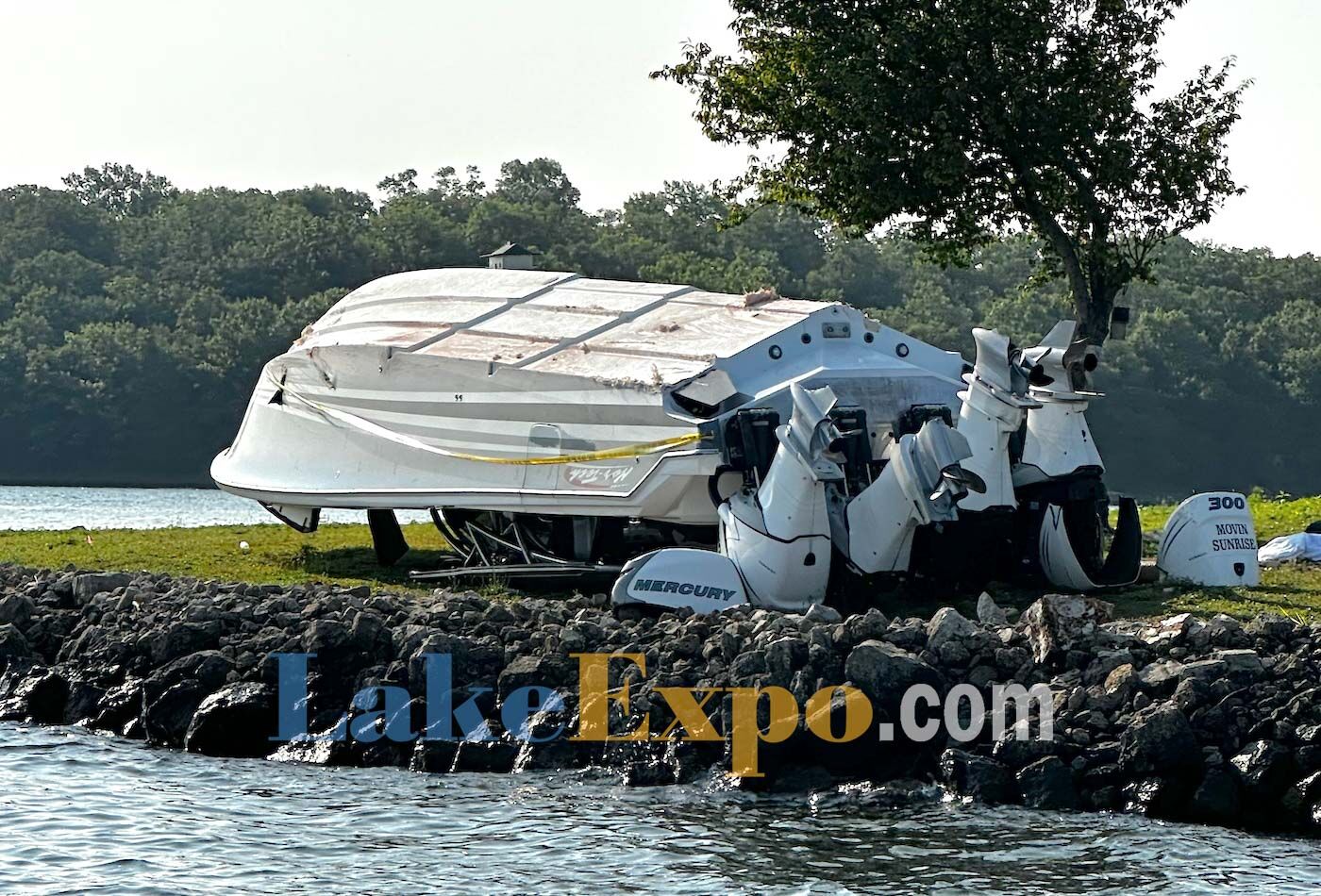
CAMDEN COUNTY, Mo. — The driver of a powerboat that crashed into a home on Lake of the Ozark…
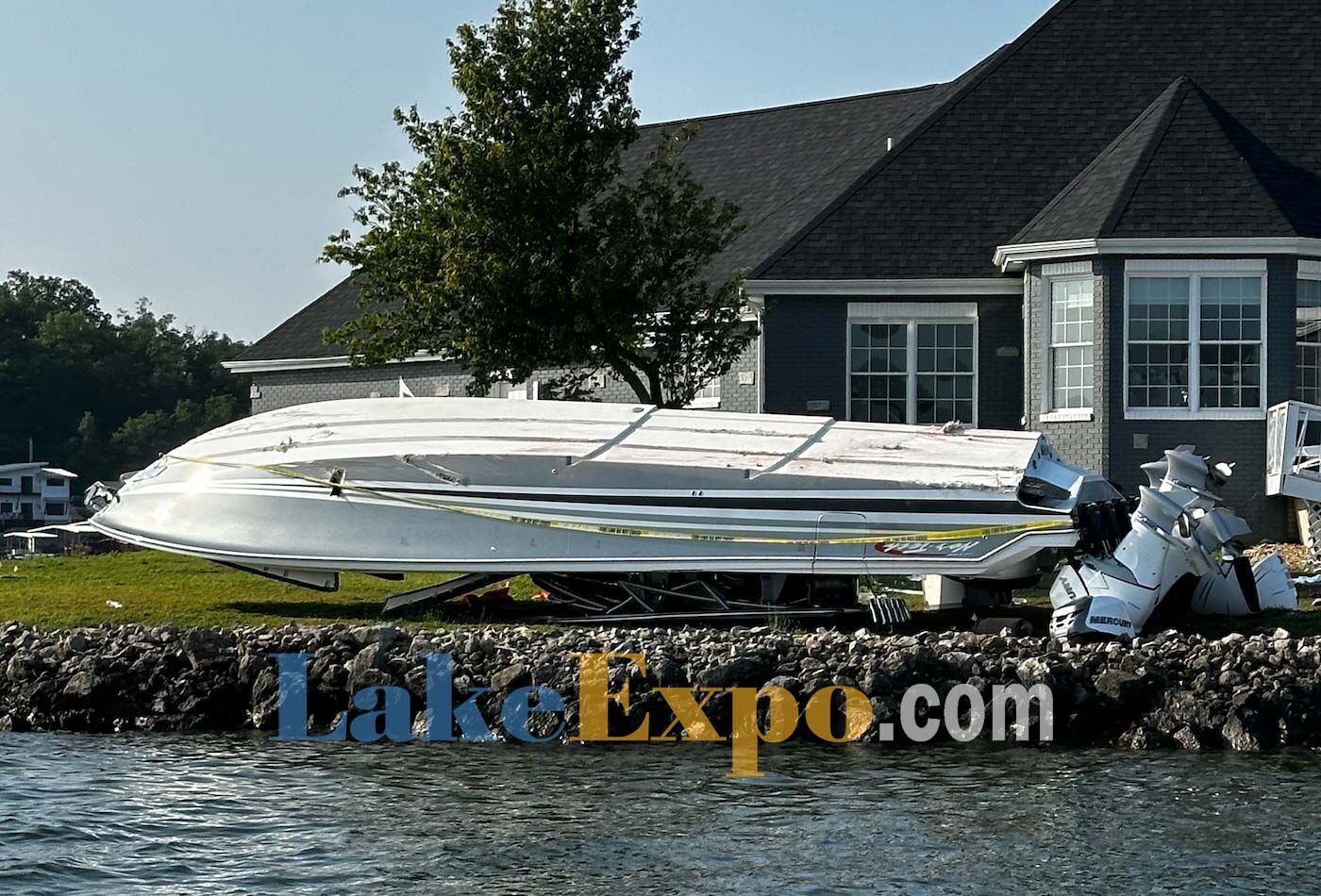
Following the dramatic powerboat crash that made national news and injured eight people, the…

LAKE OF THE OZARKS, Mo. — In a story that garnered national attention, a boat crashed into a…
LAKE OF THE OZARKS, Mo. — Eight people were injured in a wild late-night boat crash, just be…


