



The 1970s was the heyday of ski shows at Lake of the Ozarks; meanwhile behind the scenes, innovators and entrepreneurs were shaping the future of family boating.
The decade saw huge changes in the mood and political philosophy of America, but despite the turmoil, the opportunity and ability to seek recreational pursuits was not diminished in the 70s.
Glittering disco balls and Bell Bottoms crept into small town America. And at Lake of the Ozarks, summer fun on the Bagnell Dam Strip continued to draw crowds from all over the nation. Behind the scenes, the boating industry was evolving, and much of that change was happening here at the Lake.
Lake Of The Ozarks Shapes Boating
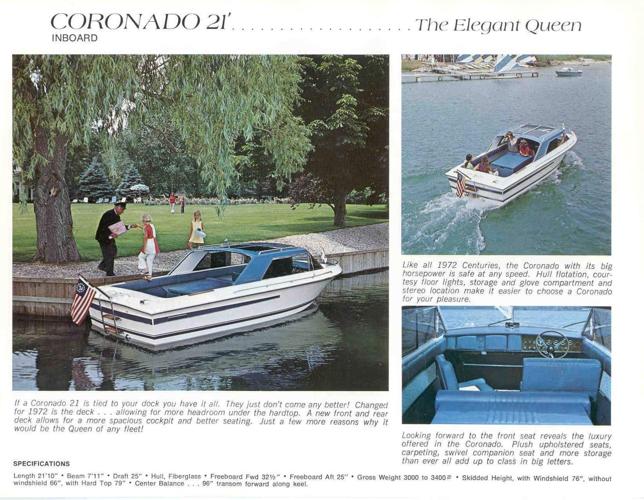
Century boats had dominated the sport and runabout crowds in times past, and the number-one Century dealer in America was on the Lake of the Ozarks: Link's Landing.
Other local boat builders, including Richland manufacturing Rich Line boats, were conceived and built here on the Lake. Many enjoyed nationwide sales. In fact, local companies building boats around the Lake would produce some of the best and most innovative boats of the period.
From the smallest of aluminum fishing boats without a motor, to the world’s fastest tri-toon, and some amazing bass fishing boats in a huge Lebanon, Mo. production plant for Tracker Marine, the boat building business has boomed in the Lake of the Ozarks region.
In the ‘70s, a boater and entrepreneur made his debut: Jim Dorris came to Missouri in 1972 after a stint at MonArk Boats in Arkansas. Jim spent a year at Appleby Aluminum Boats in Lebanon before going out on his own with Charger Boats in 1974. His pontoon-boat innovations in the next decades would be industry-shaking.
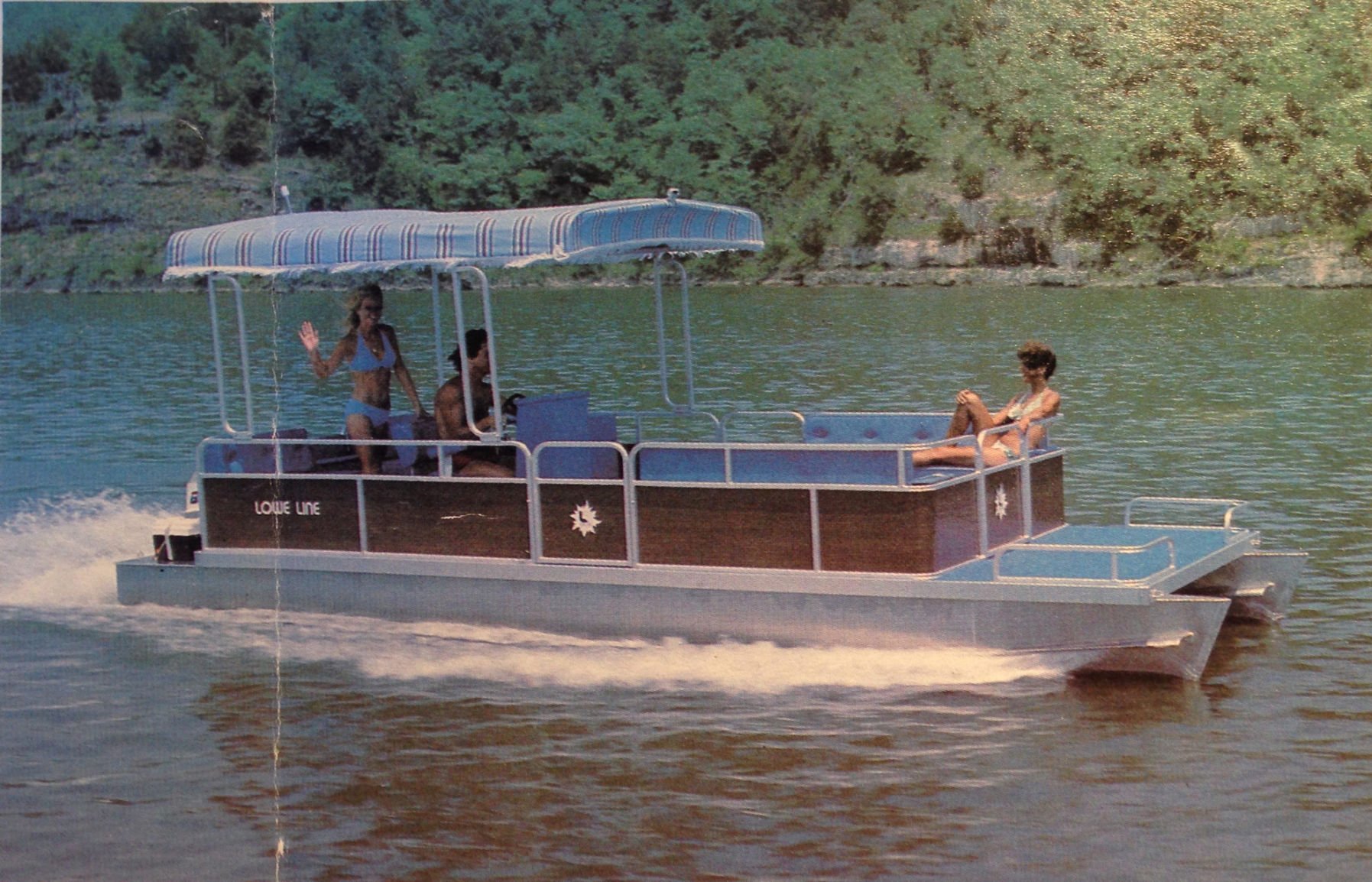
Credit Lowe Boats Archive, Beverly Ramsey, Marketing
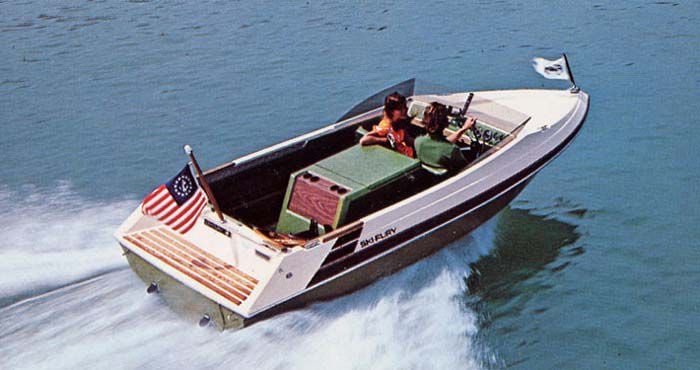
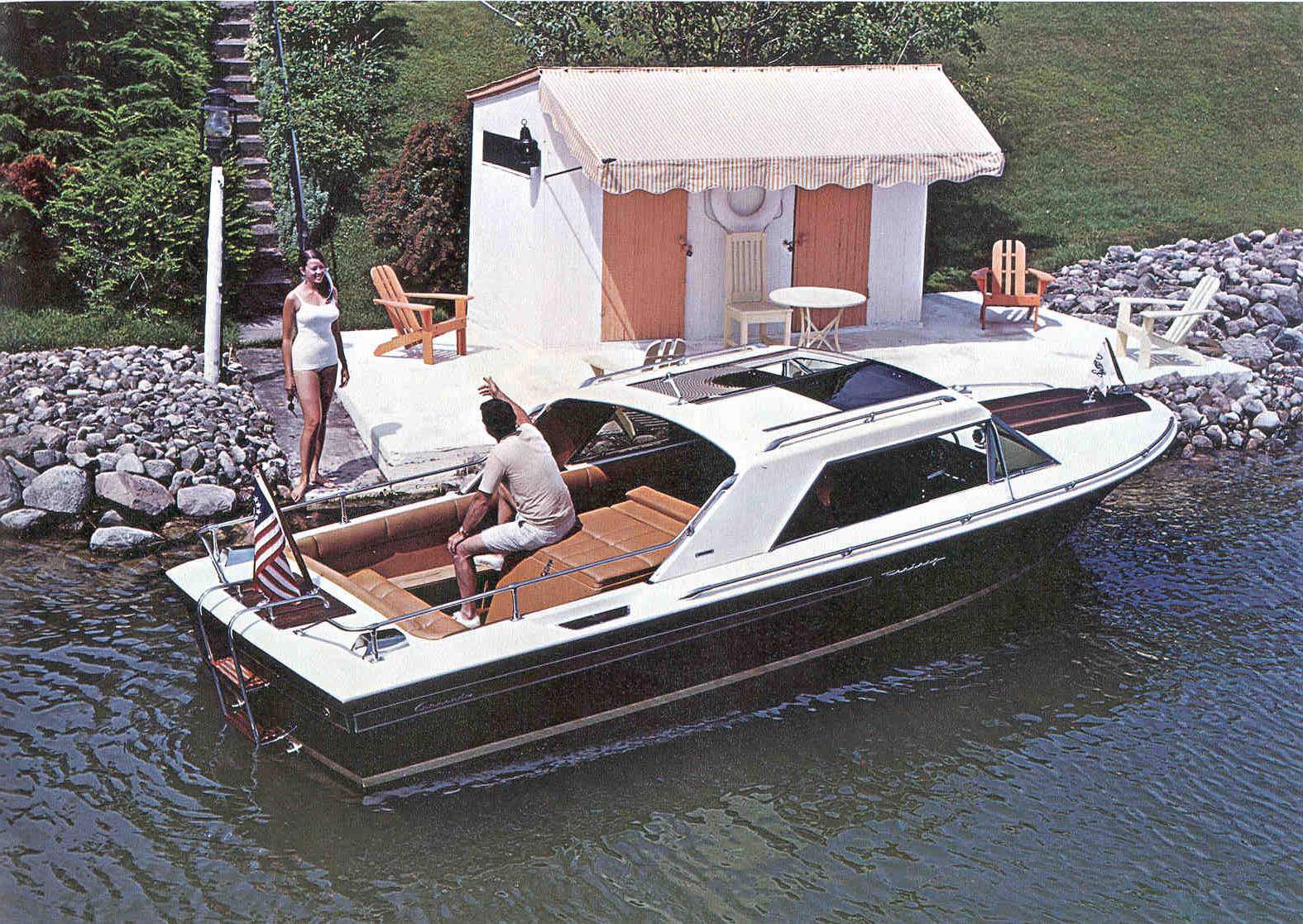
But while the pontoon may be one of the most popular boats on the water these days, in the '70s pontoons hadn't prevailed yet: the v-hull was still king. Fiberglass boats with some Detroit-styling touches like fins, luxury appointments such as chrome, and some slightly beefier motors pulled skiers and cruised the Lake.
Other boaters went for family cruisers 28 feet or less in length: the precursors of today's cruisers found in abundance on Lake of the Ozarks, the cruisers 40 years ago contained a couple of bunks, possibly a stand-up head, and some galley provision. They were generally light on luxury, though, really just resembling runabouts and ski boats, with vinyl upholstery and chrome details.
Runabouts and speed boats were being equipped with inboard power plants more often, and the outboard motors were growing in horsepower ratings. Nevertheless, realistic top speeds were still in the 50 to 60 mile-per-hour range.
The Water Show
One of the biggest draws on the far-flung waters of Cypress Gardens in Florida and the Wisconsin Dells found fertile ground on the Lake of the Ozarks, where the local water ski show—known as the Lake Of The Ozarks Water Show—included some of the same athletes from these other shows. According to Todd Shockley, one member of the troupe who still lives at the Lake, there were several members of the local show who traveled back and forth each year in order to earn money and ski in the other famous shows.
Shockley—who has served for decades as an administrator in the Camdenton R-III School District—says there was no lack of talent for the Lake of the Ozarks’ show.
In fact, the Lake of the Ozarks version was larger, more spectacular, and more famous than the Wisconsin or Florida shows. Without a doubt, one of the reasons for this was the presence of a World Champion in several categories of ski competition. Ricky McCormick, born in 1952 in Independence, Mo., into a family that put on the ski show here at the Lake, started at an early age performing in the show and went on to win 11 world titles and 37 national championships. During the 1972 Summer Olympics, McCormick was awarded two gold medals. After McCormick retired, he was inducted into the Water Skiing Hall of Fame.
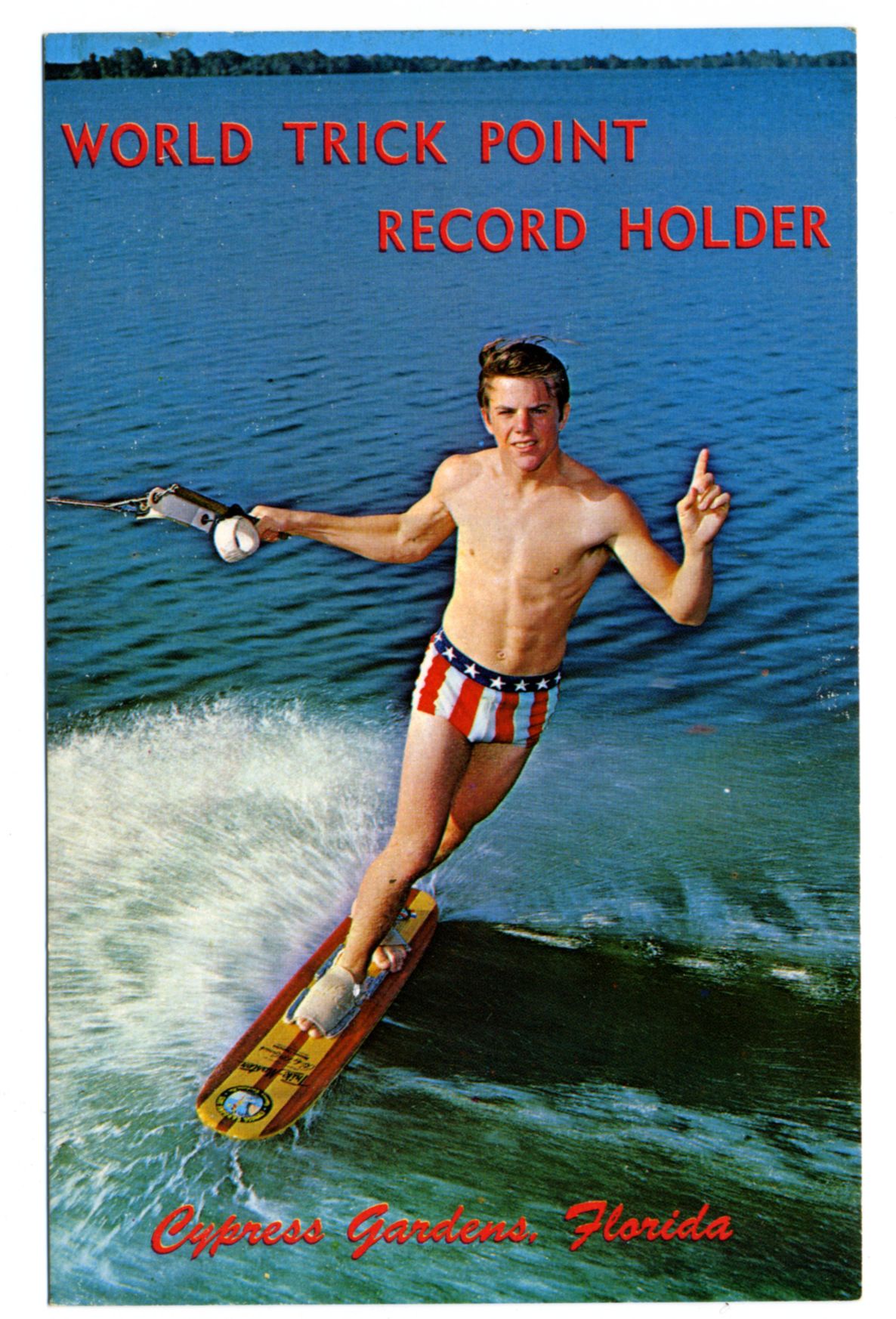
Credit: USA Water Ski & Wakeboard Foundation
Dave Dunklee, a member of the local show during that time, said he learned to ski by hanging out with his friend, McCormick, during practice sessions and watching as McCormick developed his tricks. Dunklee lived around the corner from McCormick at the Dunklee family-owned Haun’s Resort. Later the lodge name changed to Sand ‘n Cedars Resort.
Dunklee started working the show in the pick-up boat used to collect skis or help a downed performer. That boat was a Flivver built in Cypress Gardens, Florida. It looked like a fiberglass “bathtub with an outboard motor,” but was generally described as unsinkable. Dunklee graduated from the pick-up boat to become part of the act, first presenting the U. S. Flag during “The National Anthem.” Later, he “performed in the 6-person pyramid,” as “Ma Suggins” in a clown act, and in slalom as well as barefoot demonstrations.
The thrill part of the Thrill Show included flying on the kite that was just a big version of the flat kite that kids commonly flew with a string. It would not glide and left the performer at the mercy of the wind and the skill of the boat driver. The most dangerous part of the act was the jumps: an approach at more than 50 miles per hour and a night jump where the dim lights set up on shore would not allow the performer to see the water from his height in the air. Dunklee said the most extreme jumps included distances over 100 feet.
The actual ski boats in the show were Hydrodyne ski boats. These were equipped with both inboard and outboard motors. They were never equipped for comfort or luxury; these utilitarian boats were designed to pull the stars of the show, and could pull six or more skiers at a time. Speeds averaged around 50 miles per hour.
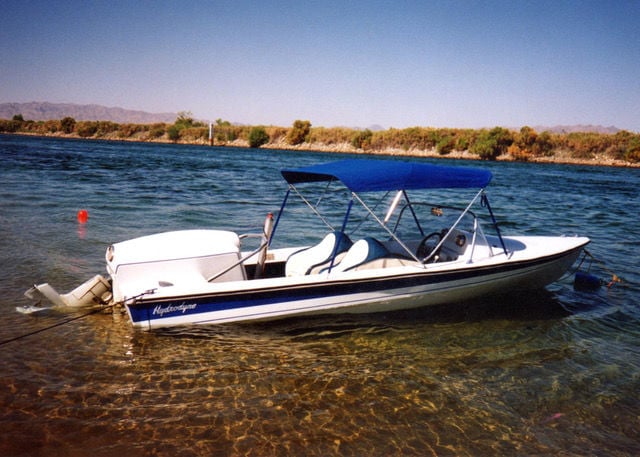
Built in 1971 by Ab Crosby in Illinois. Credit David Fackler
The pay for performers was about $100 per week and the commute down-river by boat was 48 miles round-trip, twice a day, for 90 days per year. Dunklee says performers didn’t come for the pay: they simply loved the sport, and they were undeterred by the distance. The Lake of the Ozarks’ sun and water and boats were enough to attract the talent to put on the shows.
The show ran a shuttle service to the resorts to pick up those who bought tickets. Those who came to watch the show often got the itch to ski behind their own boats. Most ski boats of the period were simple affairs by our modern standards, but were innovative at the time. One brand, the Sea Sprite, had an electric-start Evinrude 65 HP and a chrome dashboard with a speedometer and a starter button along with an Evinrude Simplex throttle and tilt control.
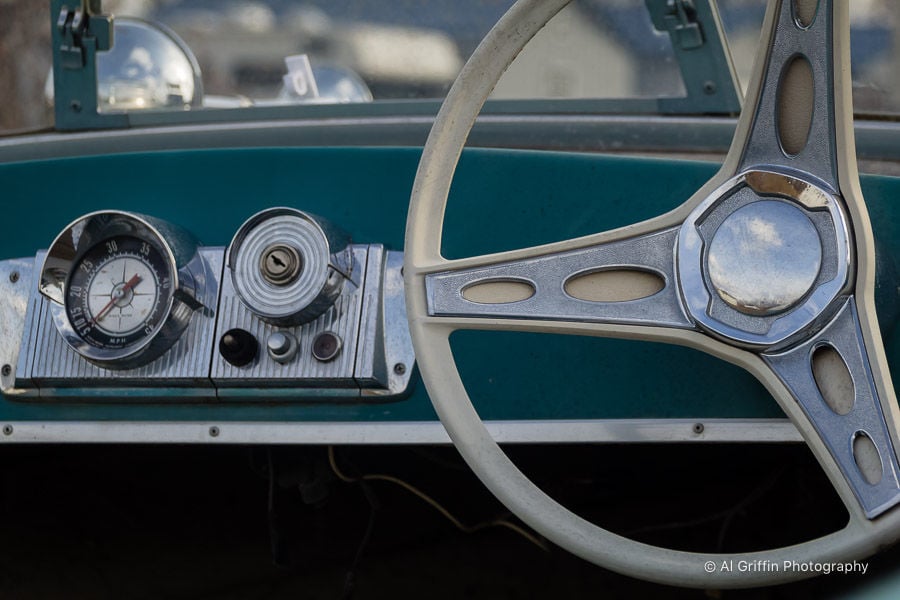
Innovation and dedication have marked the Lake of the Ozark’s contribution to the boating world while the boating world contributed to growth and prosperity around the Lake.

Mark Ritchhart remembers the first time he tried waterskiing on Lake of the Ozarks. He was 1…


