
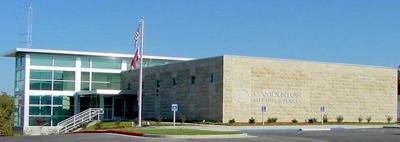
CAMDENTON, Mo. — The City of Camdenton is planning next year’s budget, and city departments are getting specific about what they need and, in some cases, how the funding is not currently available.
City Administrator J. Jeff Hancock provided Aldermen with another draft of the 2015-2016 fiscal year at the board’s regularly scheduled meeting, July 21. This draft included the capital improvements and department expenditures presented to Aldermen first as a wish list and second as a prioritized list representing upgrades, repairs, and replacements needed department by department during a budget retreat.

CAMDENTON, Mo. — In Camdenton city staff’s “wish lists” for next year’s budget, pragmatism w…

CAMDENTON, Mo. — Earlier this year, Camdenton City Administrator J. Jeff Hancock invited Cit…
Hancock subsequently developed and distributed a financial packet for the Aldermen’s review. It includes financial projections for the General Fund through fiscal year 2019-2020 as well as actual budget details from fiscal year 2010-2011. It also includes money needed for capital improvements through 2020. This inclusion will allow the Board to more accurately prepare to meet the City’s needs when setting annual budgets, the first objective for the budget process and setting policy for financial planning. What became apparent with the draft is that at an anticipated growth rate of 2% sales tax annually, the City will be unable to upgrade, repair, and replace as department heads have recommended.
Currently, one cent of the two-cent City sales tax funds general fund services such as the police and fire departments, City administration, and planning and zoning. One-half of the remaining one-cent funds transportation, including street repair and the airport. The final half-cent is for capital improvement and parks and recreation. Water and sewer needs are user-fee funded.
At Tuesday’s meeting, Hancock used the fire department to demonstrate how one-half of one cent in sales tax is insufficient in light of the projects and problems identified by department directors. These projects and problems would remain unfunded if the budget planning process and a financial management policy omits capital improvements. An Aerial 317 (ladder fire truck), for example, currently costs $950,000, but such a truck will also require an addition to the fire station at an estimated cost of $803,200 plus the cost for design.
These are 2015 costs that will most certainly increase year by year, according to Fire Chief Drew Stark. Furthermore, the ladder truck requested is a replacement for one approximately twenty years old with a life expectancy of fifteen. If ordered today and the building addition to house it were authorized, the replacement would not be in Camdenton for twelve to eighteen months because the fire truck manufacturer must wait on the chassis to be built before the truck can be completed and delivered.
Hancock, in using the Fire Department as an example, demonstrated that capital improvements need to be on the budget horizon in the near future, not an unforeseen one. In fact, one objective for adopting financial planning policy is to insure “important fiscal decisions are not driven by emergencies or financial problems.”
When asked later about the budget process now occurring in Camdenton, Chief Stark echoed Alderwoman Rector in praising the process. Stark noted that departments never knew what the needs of other departments were and did not have the opportunity to speak before all the Aldermen in prior years. He hopes that sharing knowledge and needs will continue.
Hancock plans to present a budget for review and approval in August, 2015.


