

As water dissolves rock, the voids left behind seem carved into the subterranean landscape by a mysterious and whimsical hand: springs, caves, and sinkholes abound across the Lake of the Ozarks region.
Winding beneath central Missouri’s landscape, this ancient geological phenomenon is known as karst. The most famous at Lake of the Ozarks is probably at Ha Ha Tonka Spring, from which crystal-clear water constantly pours, rushing into the Niangua Arm of the Lake. And tourists and residents alike know the Lake area’s many beloved caves: Bridal Cave, Jacob’s Cave, Stark Caverns.
But few know about the Lake’s hidden caves: yawning chasms at the water’s edge that invite the most adventurous explorers to come and see what lies beneath the surface…
Caves By Water
Onyx Cave — Big Niangua Arm
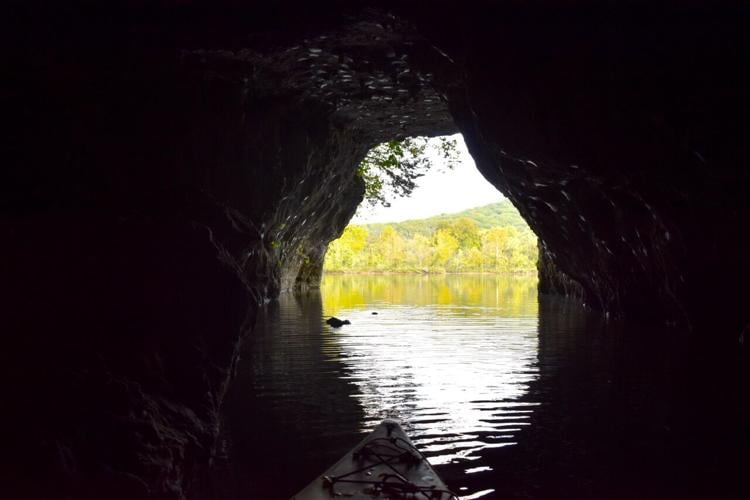
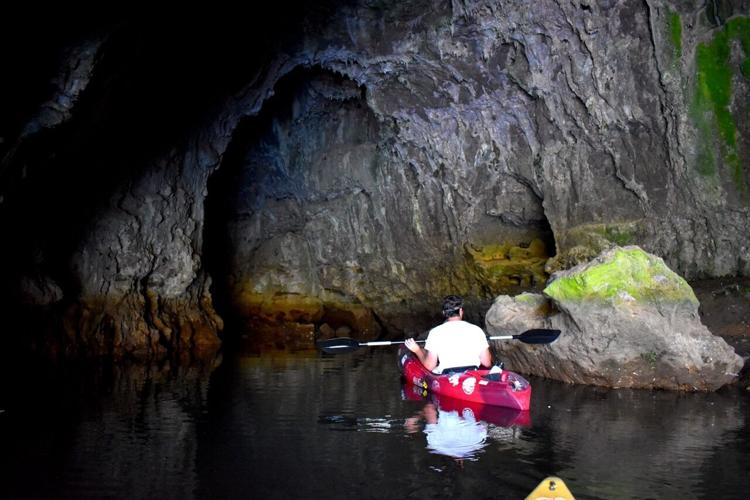
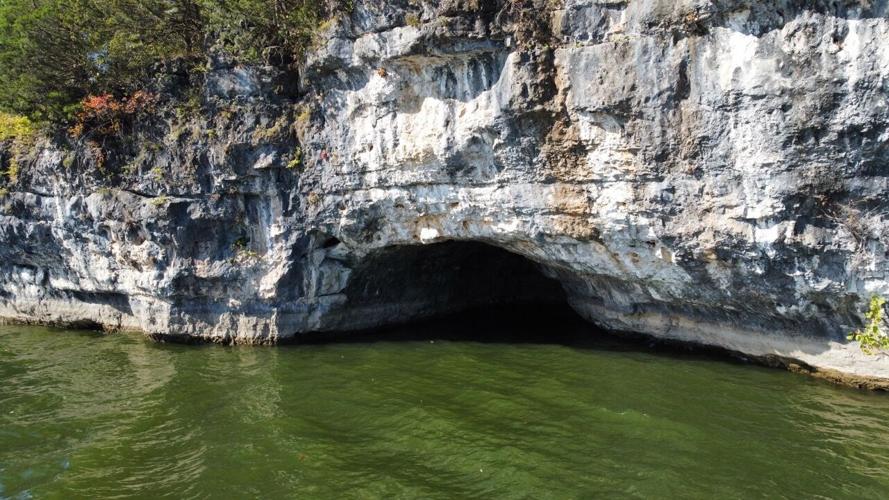
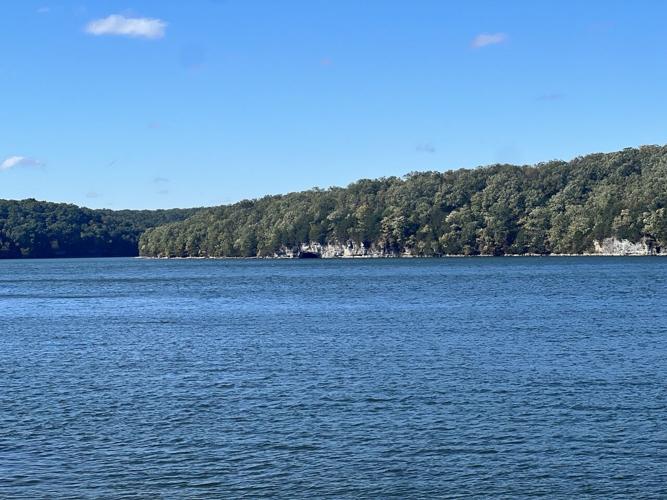
Up the Big Niangua Arm, about two miles past Ha Ha Tonka, on the northern side of the shore, you’ll find it: Onyx Cave. (If you get lost, check Google Maps: it’s on there!)

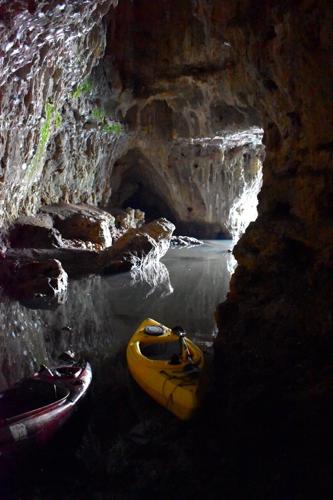
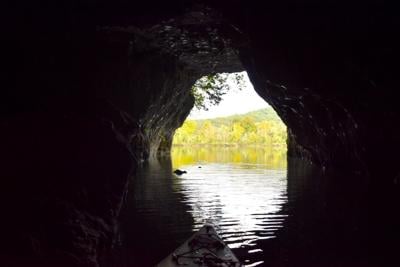
Big enough for a kayak or PWC, but too small for all but the smallest of motorboats, Onyx Cave is a true Lake explorer’s delight. Paddle inside, and it winds back a fair distance, offering a wonderfully quiet, mysterious adventure and some cool photo ops!

How to get there? You’ll need a kayak (canoe, paddleboat, etc) or PWC. If you’ve got a kayak aboard your boat, you could head upstream, then launch the kayak and paddle into the cave; but be careful, as the channel gets awfully shallow in these parts, especially in the fall as the Lake level drops.

Another (better) option is to use the kayak launch at Ha Ha Tonka State Park and paddle upstream. There’s only a weak current, and it’s less than two miles from the launch to the cave, making for an ideal afternoon excursion!
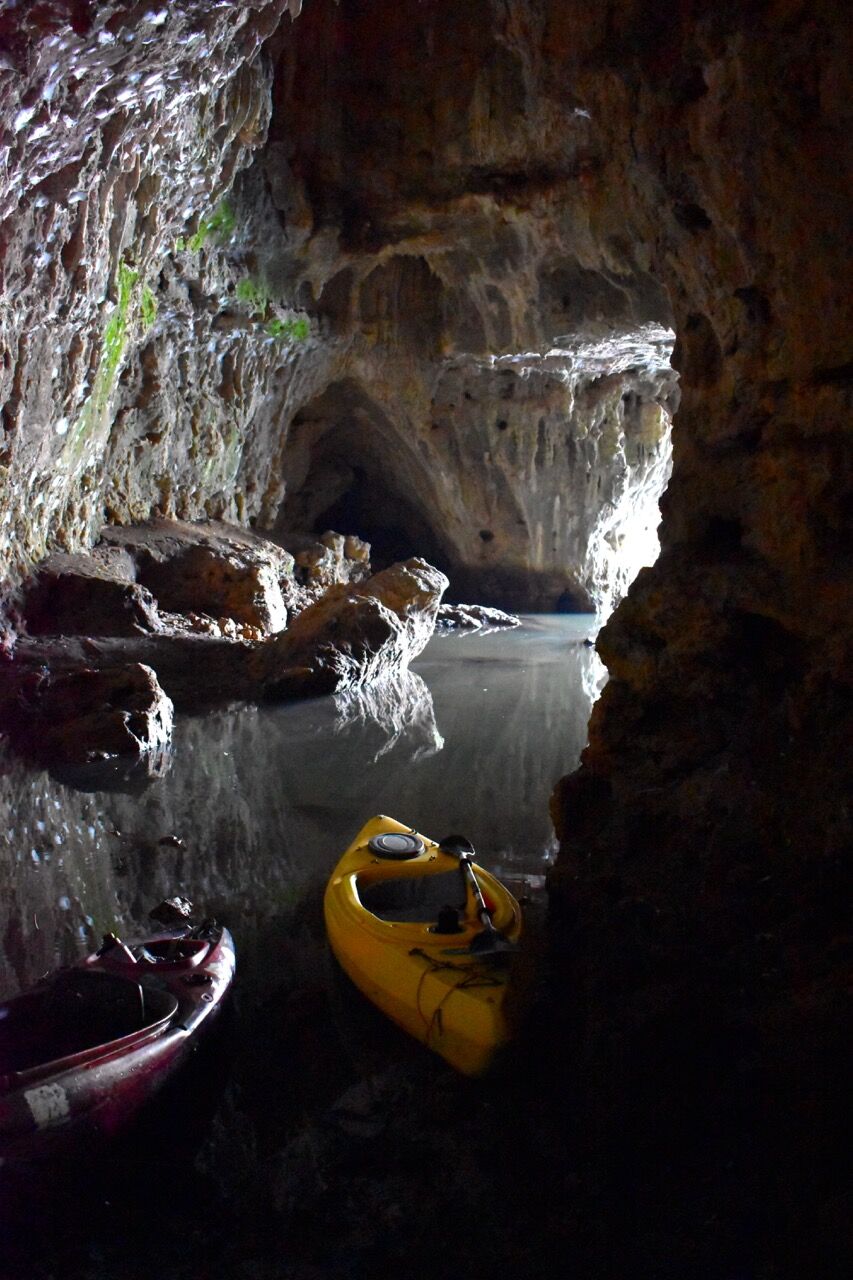
Ha Ha Tonka rents kayaks, and staff say they frequently rent to adventurers planning an Onyx Cave exploration: they’re typically back before the end of their four-hour rental.
Rising Sun Cave — Glaize Arm
At Camp Rising Sun, on an east-facing cliff at the 7 Mile Marker of the Glaize Arm, explorers will find a partly-submerged — but very accessible — cave.

This is the most hidden of hidden caves, and there should be some kind of merit badge for finding it. Deep in the Glaize Arm, only the bravest of boaters would venture to make the careful cruise up to this one. Here, the old river channel is the only way to keep your boat from running aground, but you’ll need either a depth-finder or quality navigational charts to know where the river channel runs.

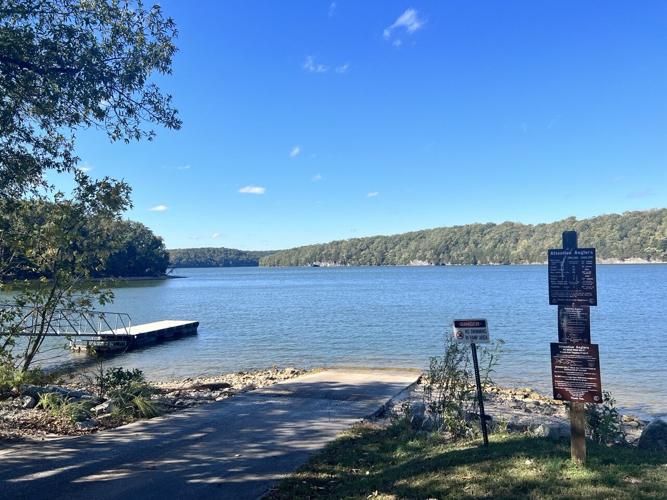
The better option is to trailer your PWC or kayak to McCubbins Point. It’s directly across the channel from the cove, and it’s accessed via Route A.

There among the campsites is a boat ramp, ideal for launching a little boat to go caving. Head almost directly across the channel, and you’ll easily spot it. The cave goes far back into the hillside: make sure to bring a flashlight!
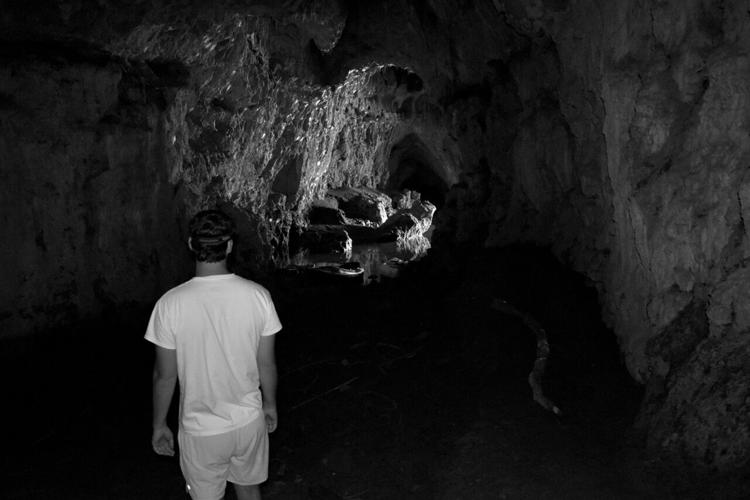
Note to cavers: because these are partly-submerged caves, their accessibility is affected by the water level. In the middle of summer, you may only be able to explore a portion of the cave by kayak or PWC, whereas when the water level has dropped several feet in the fall or spring, the cave is more accessible and you may even be able to hop out of the boat and walk around inside. Be ready for anything, and always wear a life jacket!
Bonus exploration tip: just a mile upstream from this cave, you’ll find the beloved and famous Flowerpot Cove! Cruise — or paddle — there after exploring the cave (it’s on Google Maps, too, so you won’t miss it.)

Caves By Land
If you’re headed to the FLW Recreational Area to explore the Rising Sun Cave, stop by another above-ground cave:
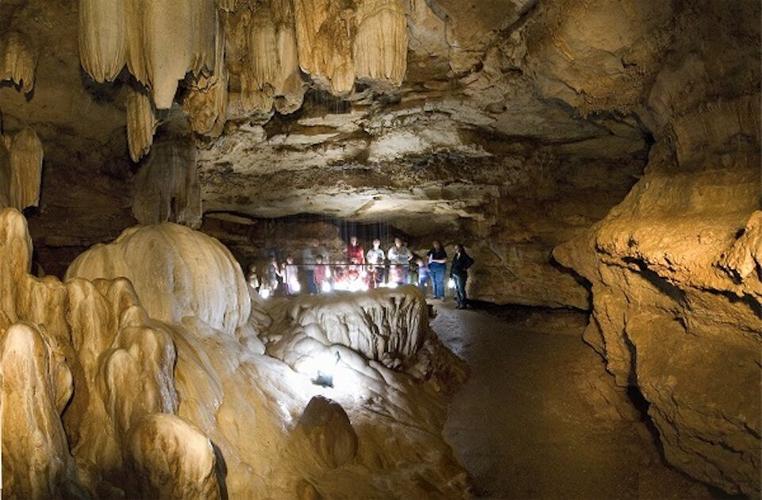
Ozark Caverns
Ozark Caverns offers both traditional and children's tours to their guests. Since the cave is unlit, visitors are provided with lanterns to light the way. Traditional tours are interpretive and last about an hour and are a half-mile round trip.
Topics frequently discussed include general cave development, cave life, and anything else "cave related" that visitors want to discuss with the guide. Ozark Caverns is open for traditional tours from mid-May to mid-Sept., and hours of operation fluctuate throughout the summer.
The caverns are closed to traditional tours from Sept. 16 - May 14.
(There’s an admission cost, so check the Missouri DNR’s website for details before you go.)

Island Cave — Ha Ha Tonka State Park
A must-visit!
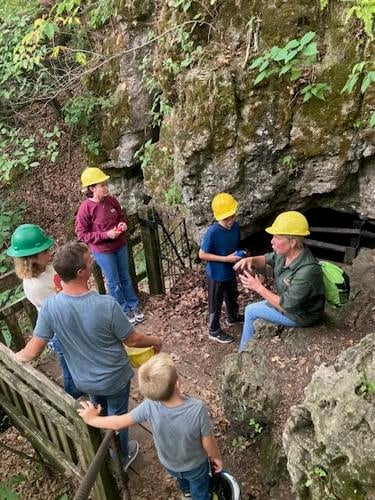
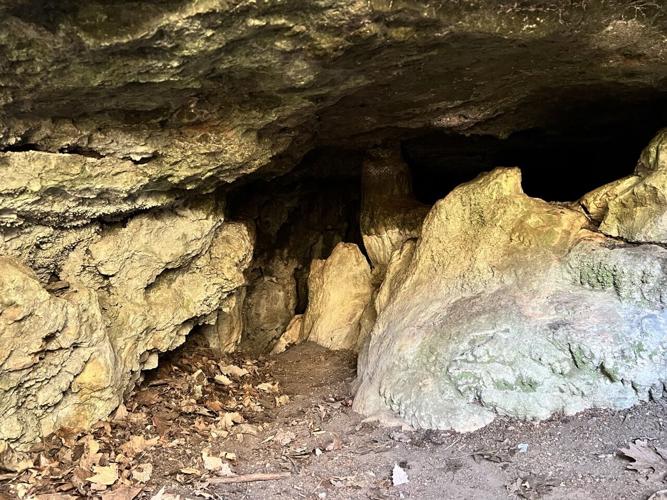
Only open from June through September, the Island Cave offers intrigue at the edge of one of the Lake’s most famous places: Ha Ha Tonka State Park and the Castle. Visitors to the Island Cave must first get a permit at the park office.

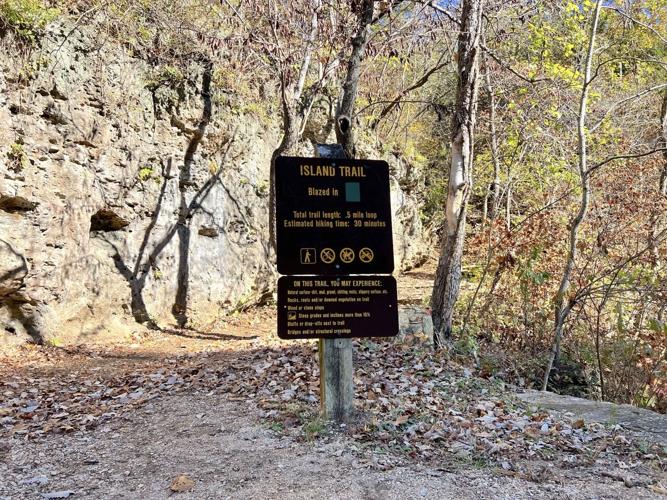
Then, approach the cave via the foot-bridge that connects the island to the mainland. You’ll take the Island Trail to the back side of the island, and will descend a little ways before coming on the cave: just follow the green trail markers.

The parks department sometimes hosts special nighttime events at the cave, too; check mostateparks.com for more details on visiting the cave and to ensure it’s still open when you want to visit.

The Cave Bar & Grill — Niangua Arm
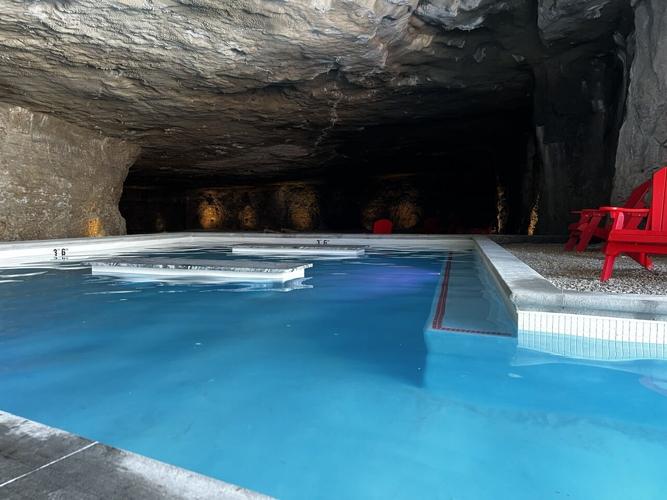
All this caving could make a person hungry: why not enjoy something to eat and drink inside the cavern at The Cave Bar & Grill? On the Niangua Arm, The Cave is built along a cliff, with a pool that’s shaped more like a river, winding along dining areas, under a bridge, past a bar… and finally into a massive cave!

Enjoy something to eat or drink in what is inarguably the most unique place to eat across the entire Lake area. Or hop out and take a walk across the (very cool) sand, to play a game of cornhole in the cave.
Whether the commercialized or the natural caves are more your speed (or both!), the Lake of the Ozarks’ waterfront caves are well worth adding to the “let’s explore” list.


![[VIDEO]: Ferris Wheel Now Standing Tall At The Oasis](https://bloximages.chicago2.vip.townnews.com/lakeexpo.com/content/tncms/assets/v3/editorial/6/45/645bc455-286b-4556-b486-8f36b333dff4/6ab5949ebf5bf.preview.png?crop=1263%2C1263%2C0%2C60)


