
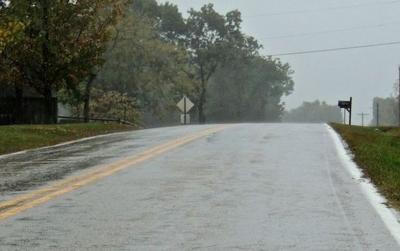
Amid a rainy week, the Missouri Highway Patrol is urging Missouri drivers to be extra cautious.
The weather forecast indicates heavy rains will cover much of Missouri, and that will affect safety on both the waterways and roadways. Flooding, especially flash flooding, has proven to be extremely dangerous and can be fatal. The Patrol has placed additional assets and manpower “on call” in areas expected to be most affected.
Safe Driving & Boating Tips From The MSHP:
- Never drive through fast-moving waters; even a small amount of fast-moving water can sweep a slow-moving vehicle off the roadway.
- If your vehicle becomes stuck in rising water, get out quickly and move to higher ground. Last December’s flooding took 16 lives when vehicles were swept away, disabled, or submerged by floodwaters. Troopers rescued more than 40 people during that same month after they were trapped by flood waters.
- For their safety and that of their passengers, drivers are reminded to stay alert while driving in areas known to flood. Barricades closing a roadway are there to protect you. Drivers must respect barriers or barricades put in place by MoDOT — it is extremely dangerous and a violation of state law to drive around them. For information regarding road closures please visit Missouri Department of Transportation’s (MoDOT) road condition map at the Missouri State Highway Patrol’s website www.mshp.dps.mo.gov.
- Drivers need to slow down and turn on their headlights in these types of conditions. Weather conditions requiring the use of windshield wipers are usually those that affect visibility. Motorists are reminded that state law requires them to turn on their vehicle’s headlights any time they are using the windshield wipers.
- The Patrol asks boaters across the state to take extra precautions when boating in flooded areas. Large amounts of rainfall cause rivers and lakes to become swollen. Many times the right decision is to stay off the water. In areas where lakes or rivers spill over the banks, erosion and damage can occur to flooded structures, docks, or water laden levees by boat wakes. Boaters should avoid operating in these areas. If operation in these areas is necessary, boaters should operate at idle speed so as to avoid causing a wake.
- Flooded rivers and streams with moving currents present some of the most dangerous situations a boater can encounter. Fast moving water can easily capsize or flip a boat—or personal watercraft—especially when combined with fixed objects such as trees and buildings. Boaters should avoid any operations in these swift flowing waters.


