


With Memorial Day weekend fast approaching and unofficially kicking off the summer season, boaters are being reminded to put safety first as they enjoy Lake of the Ozarks.
The Missouri State Highway Patrol is calling attention to National Safe Boating Week, May 17–23, as lakes across the state gear up for one of the busiest weekends of the year. The campaign encourages boaters to check their vessels, brush up on the law, and make sure everyone on board has a life jacket—because the season’s first trip could also be the most dangerous if you're not prepared.
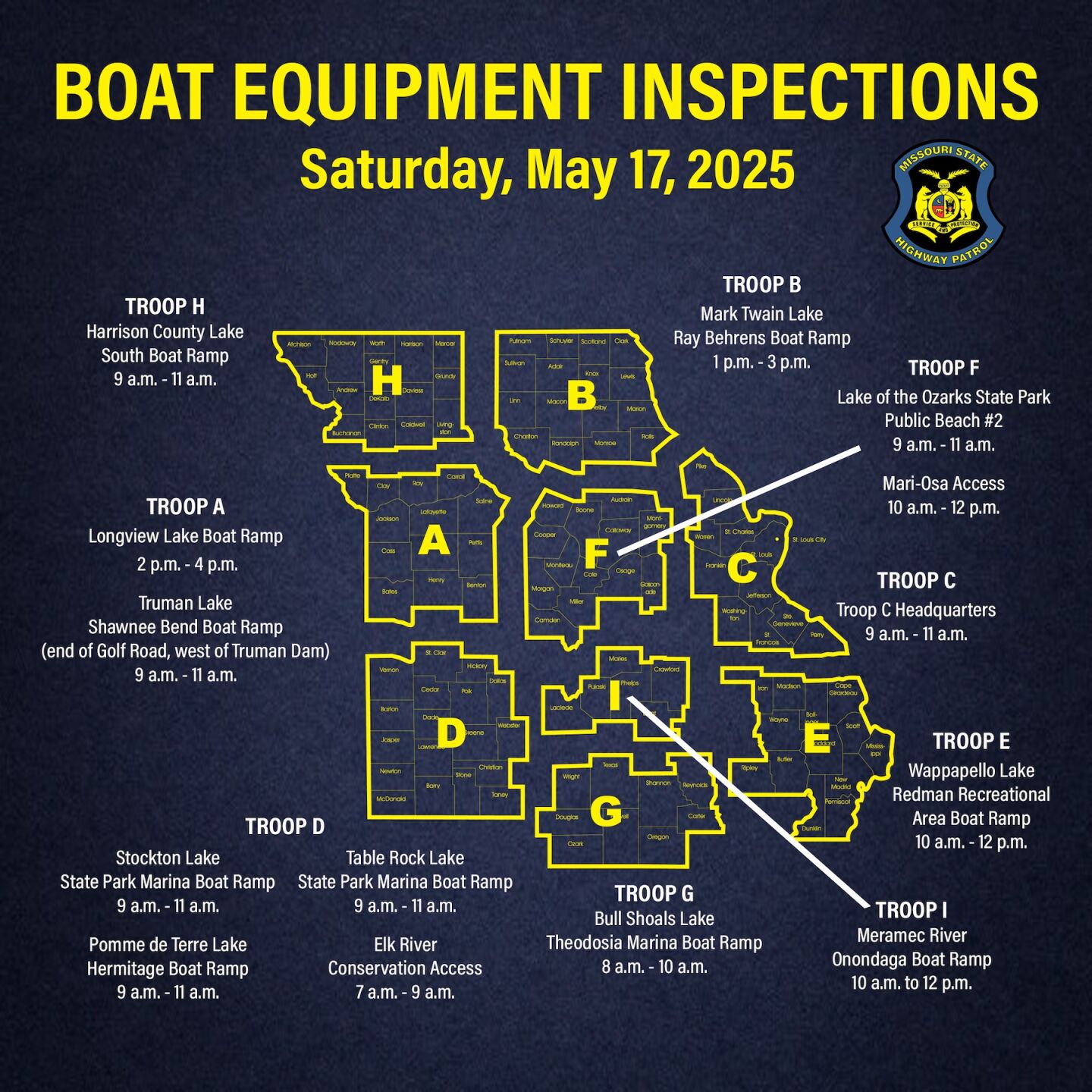
Colonel Michael A. Turner, superintendent of the Patrol, is reminding the public that safe boating begins with preparation. After months of storage, boats may need a thorough inspection before their first launch of the season. Troopers from the Patrol’s marine operations division will be available to perform free equipment checks at two locations in the Lake area on Saturday, May 17: Public Beach #2 in Lake of the Ozarks State Park from 9-11 a.m. & the Mari-Osa Access in Jefferson City from 10 a.m. to 12 p.m.
In addition to checking gear, boaters are encouraged to review Missouri’s boating laws and navigation rules. Anyone born after January 1, 1984, is required to have a NASBLA-approved boating safety ID card to legally operate a vessel, including personal watercraft, on Missouri lakes.
Need to obtain a boater safety card? Troop F will also be providing a free class on Saturday from 8 a.m. to 5 p.m. at Big Thunder Marine in Lake Ozark. Enroll for the course here. The test will take place May 23, 2025.
Drownings continue to be a tragic concern, with 35 reported in Missouri in 2024. Many of those deaths could have been prevented with a life jacket, officials said. Children under age 7 must wear a life jacket at all times while aboard a boat, but the Patrol stresses that everyone—regardless of age or swimming ability—should wear one.
Fatigue, sun exposure, and alcohol can all impair judgment on the water. Boaters are urged to designate a sober captain and remain alert to environmental conditions. Understanding the limitations of your vessel and operating at a safe speed are also critical to avoiding accidents.
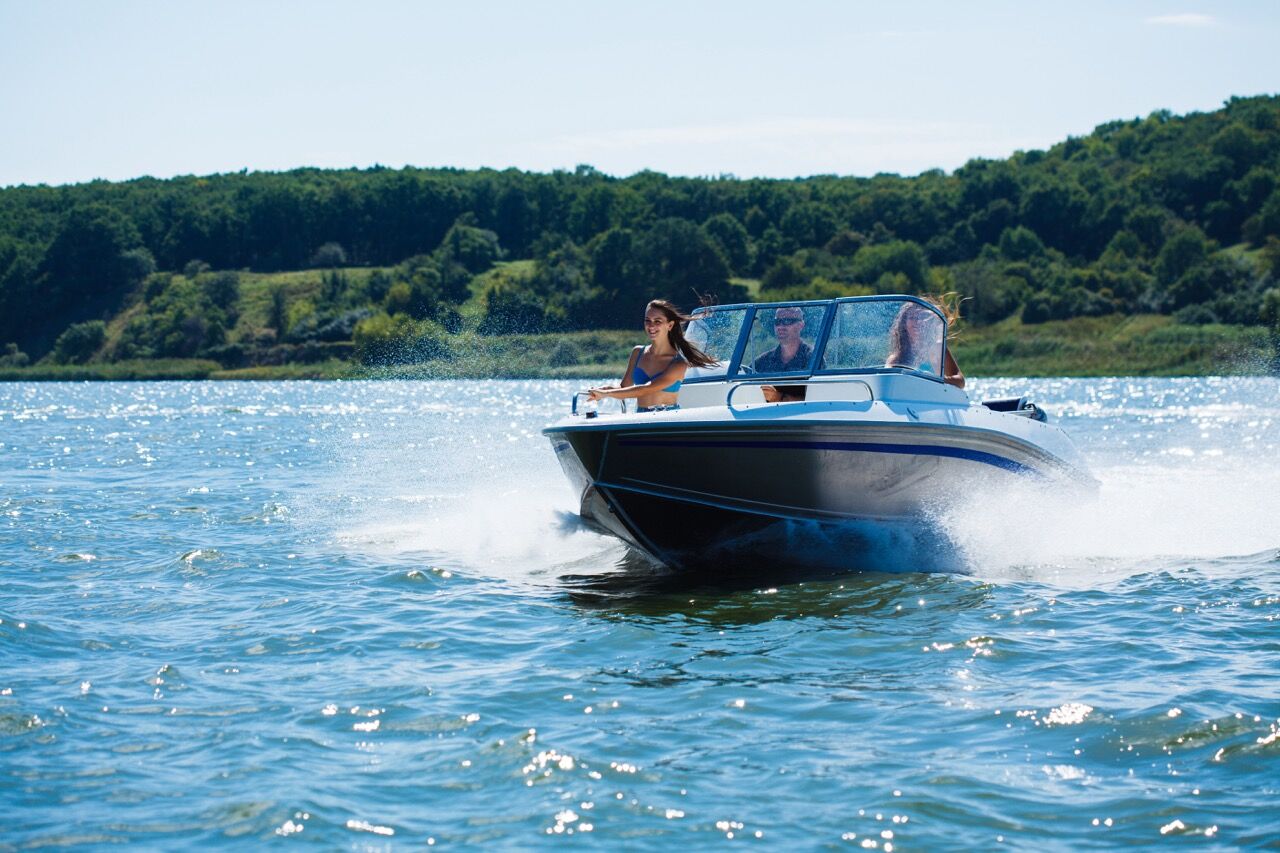
Here's a few more tips from the Patrol:
* Keep a safe distance from other boats to allow more reaction time.
* Slow down in rough water or poor visibility.
* Turn off your engine when swimmers are entering or exiting the boat.
* Test navigation lights before boating at night.
* Never assume another boater will move—avoid collisions by staying alert.
* Be mindful of your wake in crowded areas.
If you encounter trouble or see someone operating unsafely, dial *55 on your cell phone to reach the Highway Patrol.


