


Whether for business or pleasure, more people are flying to Lake of the Ozarks, and there are plenty of reasons this trend is likely to continue.
Ask former Navy crew chief Dan Doornink, and he’ll tell you: air traffic is on the rise at Lake of the Ozarks. Doornink would know: his family runs Lake Ozark Helicopters, so he’s always got his eyes on the skies. Local airport managers agree with his assessment: the number of pilots flying small or mid-sized aircraft into Lake of the Ozarks airports is up.
“It is climbing,” Steve Johnson, Eldon Model Airpark Manager said. “There’s more and more demand for more hangars, and we have seen more jets coming in now, since the addition of jet fuel about three years ago.”
Lee C Fine and Grand Glaize Airport Manager Ty Dinsdale noted he’s seeing an increase, especially in jet traffic: Lee C Fine, although a little farther from the Lake than its sister airport, boasts the longest and widest runway at the Lake, and so draws the lion’s share of jet traffic. Grand Glaize’s landing strip is only half is long and a little more than half the width of Lee C Fine, but Dinsdale said, since Grand Glaize is in the middle of Osage Beach, it tends to be the favored airstrip for visitors. “It’s crazy,” he said of the growth in air travel here, terming it the “everybody wants to go to the Lake syndrome.”
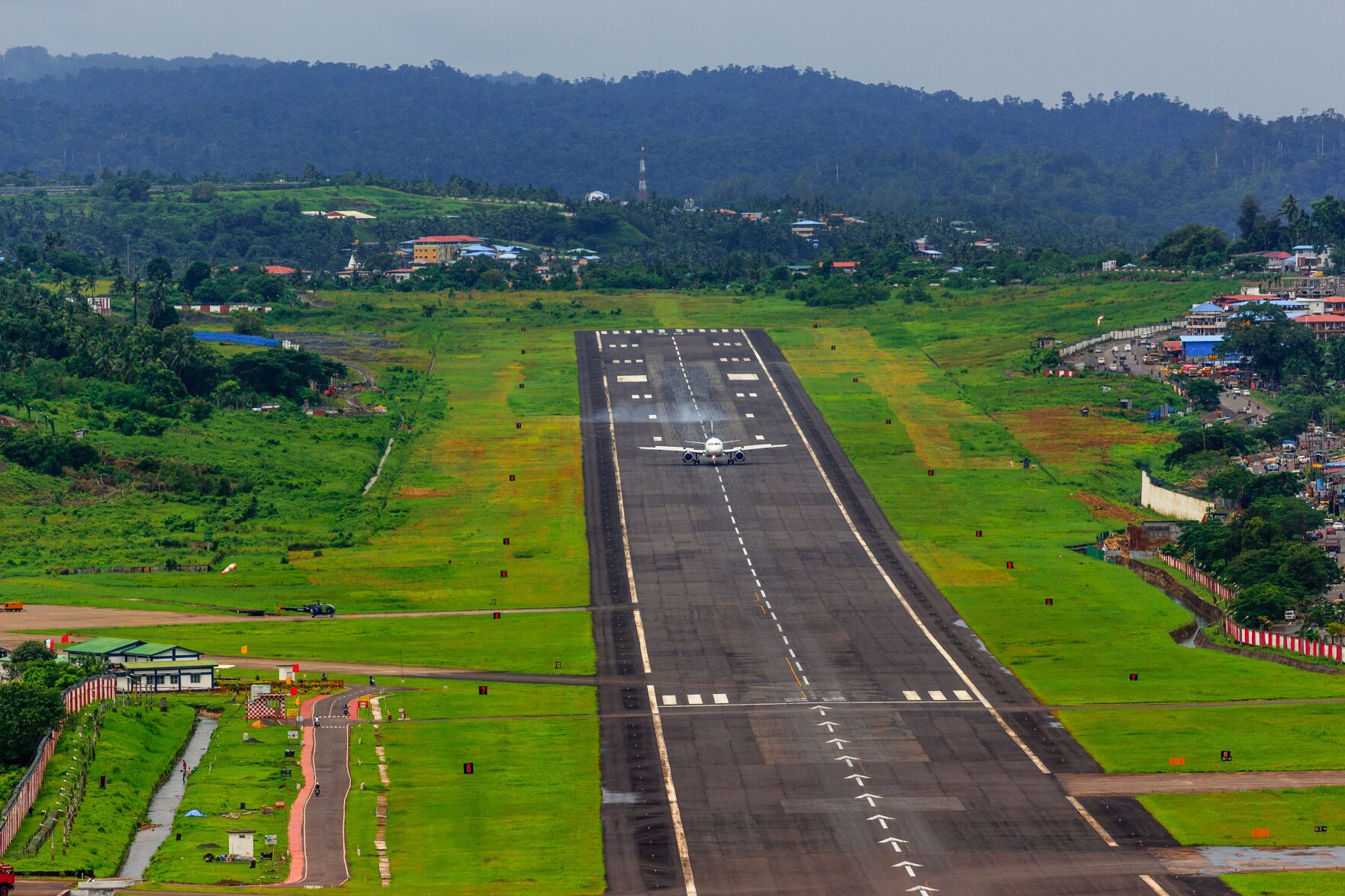
The hundreds of jets and planes that fly in and out of Lake of the Ozarks every week mostly land at one of four main airports: Lee C Fine (Osage Beach/Kaiser - KAIZ), Grand Glaize (Osage Beach - K15), Camdenton Memorial-Lake Regional (Camdenton - KOZS), and Eldon Model Airpark (Eldon - H79).

Among those four, Eldon reports the highest traffic, with about 476 aircraft per week, according to FAA reports; 60 percent of that is transient general aviation. Camdenton’s numbers aren’t far from that, and while Lee C Fine and Grand Glaize airports see significantly less traffic, the vast majority of jets and planes coming in and out of those two airports are transient general aviation: in other words, individuals and businesses visiting the Lake.
The growth in local air travel runs against one major trend: pilot numbers nationwide are in a veritable free-fall. TechCrunch reports the number of active pilots in the U.S. has declined from over 800,000 in 1980 to around 600,000 in 2017, with about a quarter of those being student pilots.
So what’s behind the sharp ascent of air travel to the Lake?
Flyer-Friendly Economics
It’s been said: If God wanted man to fly, He would have given him more money! Flying isn’t cheap, but it’s actually not terribly expensive to get started these days. A small, used, older-model plane can be surprisingly affordable, especially for hobby pilots and those seeking to travel with just a few people.
Take the Cessna 172 Skyhawk: the most popular, successful plane in history. More Skyhawks have been built than any other aircraft. If you buy a brand-new Skyhawk, you’ll be out hundreds of thousands of dollars. And while plenty of new planes are being built and bought, aircraft from the 1950s and 1960s are being flown reliably by amateur pilots across the country. The earliest Skyhawks sold for around $10,000 when they were first built in the ‘50s and ‘60s, and more than half a century later, you can buy one for between $20-40,000.
There's more to this story. Keep reading at Shoreboatingmag.com

Flickr photo by Alan Wilson


