


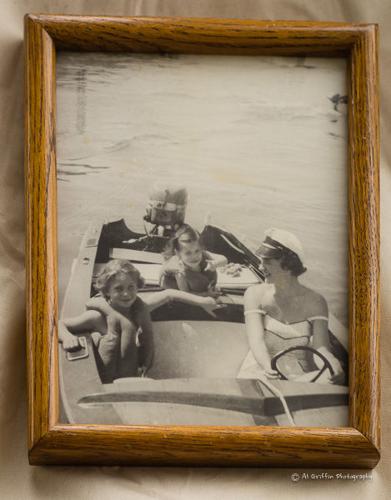


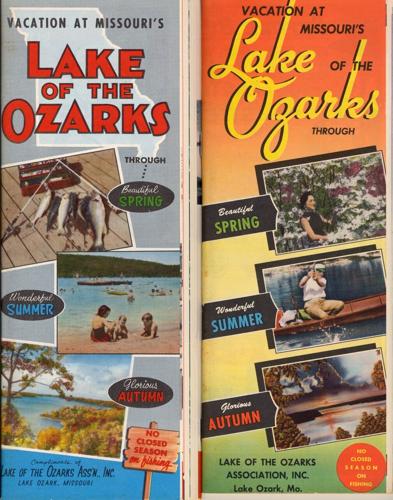


The Lake of the Ozarks came into its own in the 1950s.
Thanks to post-war prosperity and revolutionary advances in technology, the period brought two major innovations that would change boating forever. It also brought a crop of entrepreneurs and dreamers who would help make the Lake a tourism hotspot for decades to come.
If the 1940s brought massive change and upheaval from war preparation to the war itself and recovery from industrial disruptions, the decade of the 1950s showed explosive growth in leisure goods and leisure activities.
Bagnell Dam and Lake of the Ozarks benefitted from the trends playing out across America: people had money to spend, and they started spending it on boats.
1950s Prosperity
American families prospered through GI Bill opportunities in housing and education. New companies sprang up to expand employment opportunities and fill the demands for convenience and leisure items. Furthermore, many new technologies and innovations grew out of wartime industrial efforts. These translated directly into everyday consumer life in unimaginable ways.
Thanks to the Bagnell Dam project, many Missourians were insulated from the worst of the depression pain. Missouri also benefitted from another project in St. Louis, the single most important city for wartime production. St. Louis Ordnance Plant, employing 35,000, churned out almost four percent of total U. S. war and industrial production.

The plant produced 30 percent of the total ammunition in .30 and .50 calibers for the global war effort. Additional industries included a manufacturing plant producing gun turrets installed on the heavy bombers flying in both Pacific and European theaters of war. The combined workforce of these war production plants pumped money into the regional economy.
With American working families earning good wages and industrial plants learning rapid and quality production techniques, Lake of the Ozarks was in an excellent position to be a national playground for water sports of all kinds and for leisure living in summer homes owned by those from the giant metro areas of both coasts.
For the emerging Lake recreational lifestyle, the motorboat was integral. And motorboats were changing, thanks to two specific innovations.
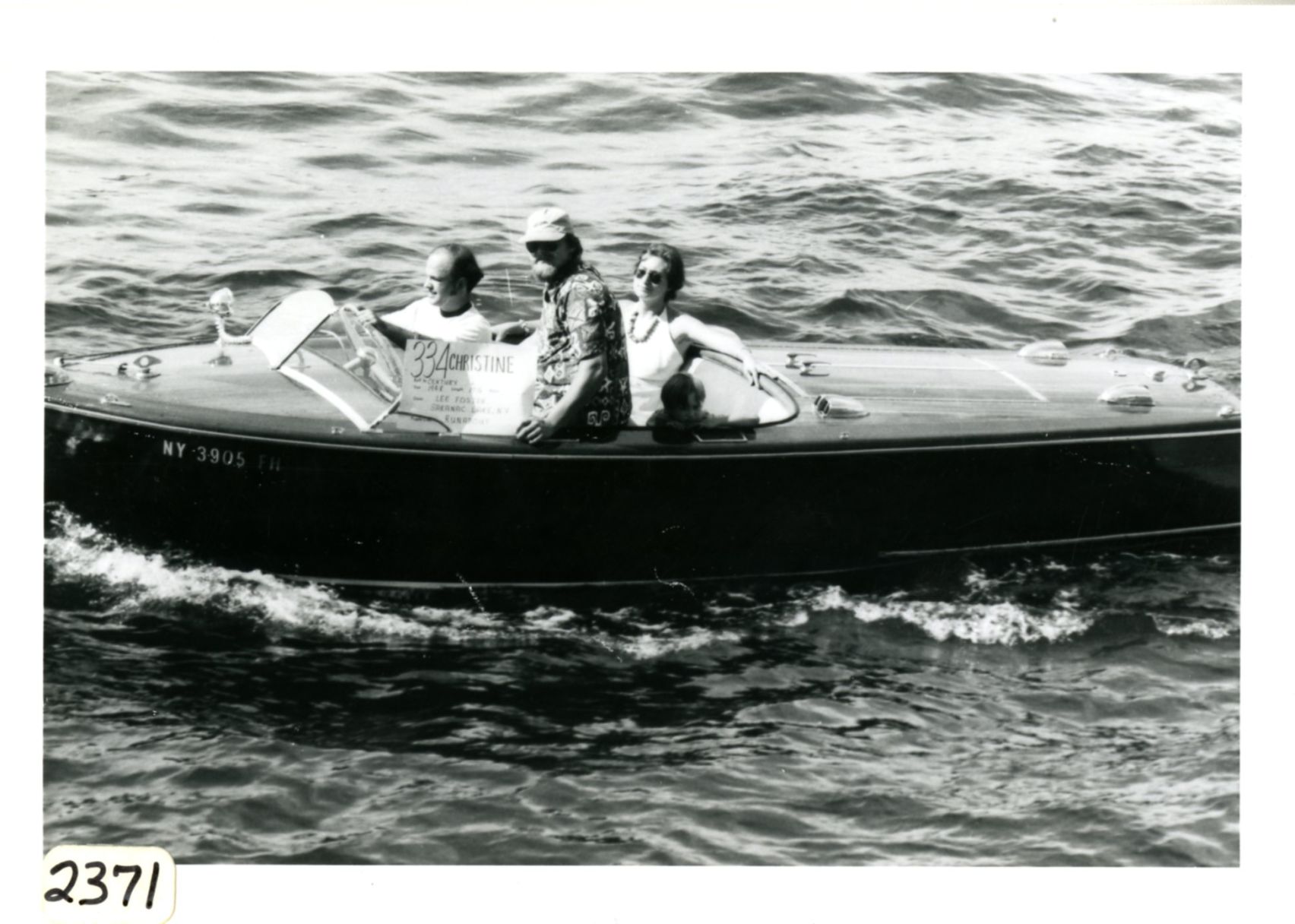
photo courtesy ABM archives (Antique Boat Museum)
Boat Hull Innovations
Two trends began to take a firm hold in the 1950s, related to boat hulls.
1. From Displacement To Planing
The basics of hull design shifted from the old, rounded displacement hulls of the early days to variations on planing hulls. In addition, propulsion modes developed from direct drive to v-drive, surface drive, and ultimately inboard/outboard (I/O) or stern drive units.
This had a profound impact on anglers too. Formerly fishing boats had been essentially rowboats with an outboard motor clamped on the transom, but they gave way to newer designs resembling flat bottom canoes used throughout the swamps of Louisiana. The flat bottoms had advantages for both fishing and recreation. Those hulls evolved into specialized platforms designed to give bass fisherman every advantage in open-water speed, shallow-water maneuverability, and creature comfort for the fisherman.
The newer bass boats with huge outboards also proved to be dual-purposed as water skiing became more popular, securing the future for these design changes in the 1950s and taking firm hold of the industry.
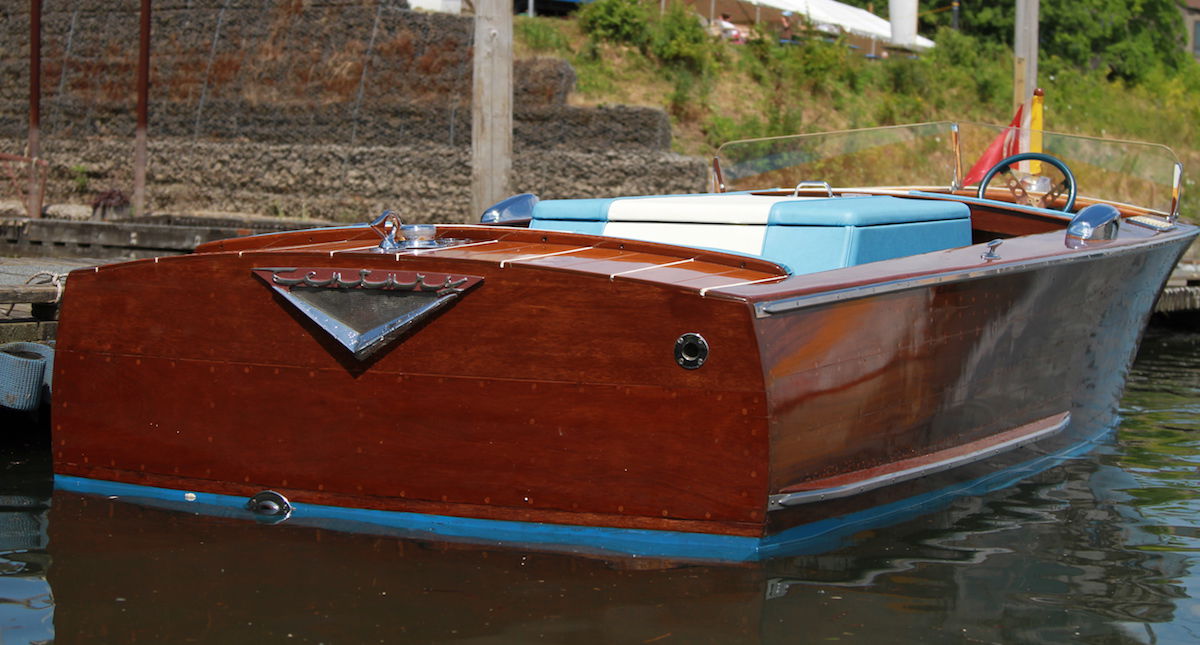
The Century Resorter became a popular skiing boat in the 1950s, as Century Boats was a household name for the emerging recreational boating community.
2. Fiberglass
Fiberglass began being produced commercially in the late 1930s by Owens Corning. But it began making a splash in the nautical world in the 1950s.
And in a 1970 Field & Stream article, Joe Holloway of Stemco Marine recalled that in the mid-1950s, “…a fiberglass boat builder sprang up beneath every tree.” Classic wood hulls—and the recently popular aluminum—would still be the main choice for boaters in the 1950s. But throughout the decade, manufacturers began testing the revolutionary material, which would ultimately replace wood, resulting in strength and weight advantages.
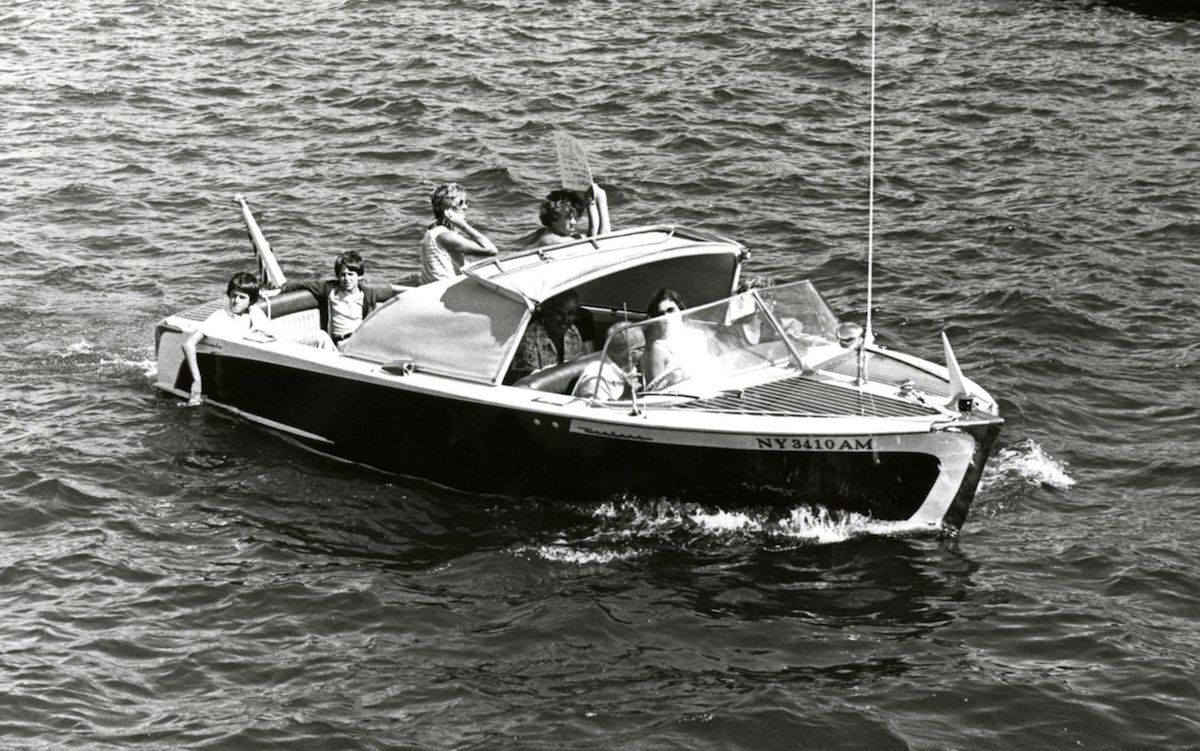
photo courtesy ABM archives (Antique Boat Museum)
Go Faster... And Faster...
As with all things mechanical or animal, boys wanted to race boats in the '50s.
Racing ferry boats on the waterways of the Northeast and Great Lakes had given rise to the speed boats of the '20s and '30s. Racing small runabouts propelled improvements in design, too.
In 1939, Sir Malcolm Campbell set a world record of 141 mph, using a three-point hydroplane boat.
In 1949 his son, Donald, further tested the same boat and found that the stern lifted and the blades came out of the water at around 160 mph. As the blades reentered the water, the striking force created more lift, transforming the propeller into a surface prop and creating a lifting force that supported the aft end of the boat. These observations led to a speed of 170 mph with that boat design… until a floating log damaged the boat beyond further use or testing.
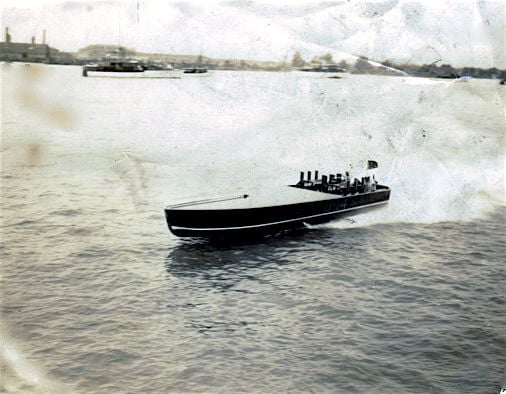
As speed capabilities evolved in the boat building industry and materials grew lighter and stronger, manufacturers began to hone in on speed. Pleasure boats got fast.
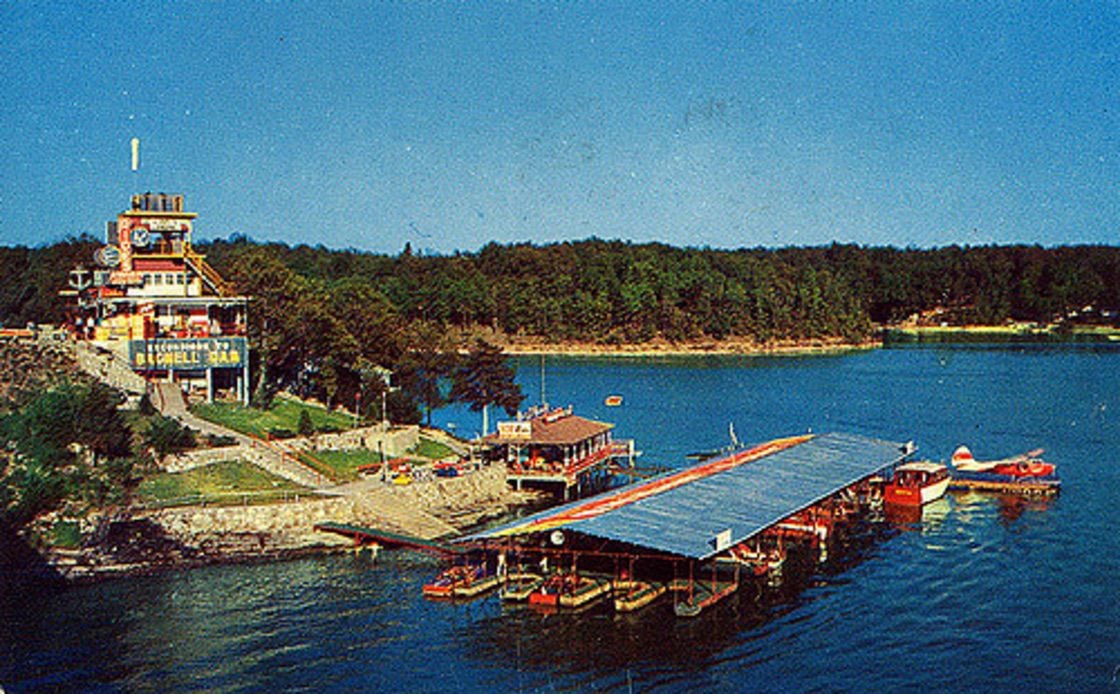
As a dammed up river with long, open stretches of water, Lake of the Ozarks attracted owners and boat manufacturers who were intrigued by speed on the water. One of those manufacturers was Century Boat. According to Tommy Holmes, President of the Century Boat Club, Links Landing, Century’s largest U. S. dealer in the 1950s and 1960s, was located on Lake of the Ozarks near the current Highway 54 Grand Glaize Bridge.
scanned image via Flickr, courtesy Todd Franklin, on Twitter & Instagram @NeatoCoolville
Tourists could lease houseboats and speedboats from Links Landing for weekends, but they could also buy Century Boats there.
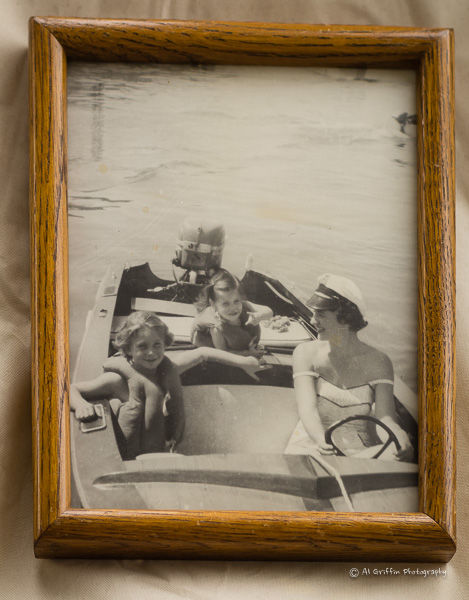
image by Al Griffin (original photographer unknown)
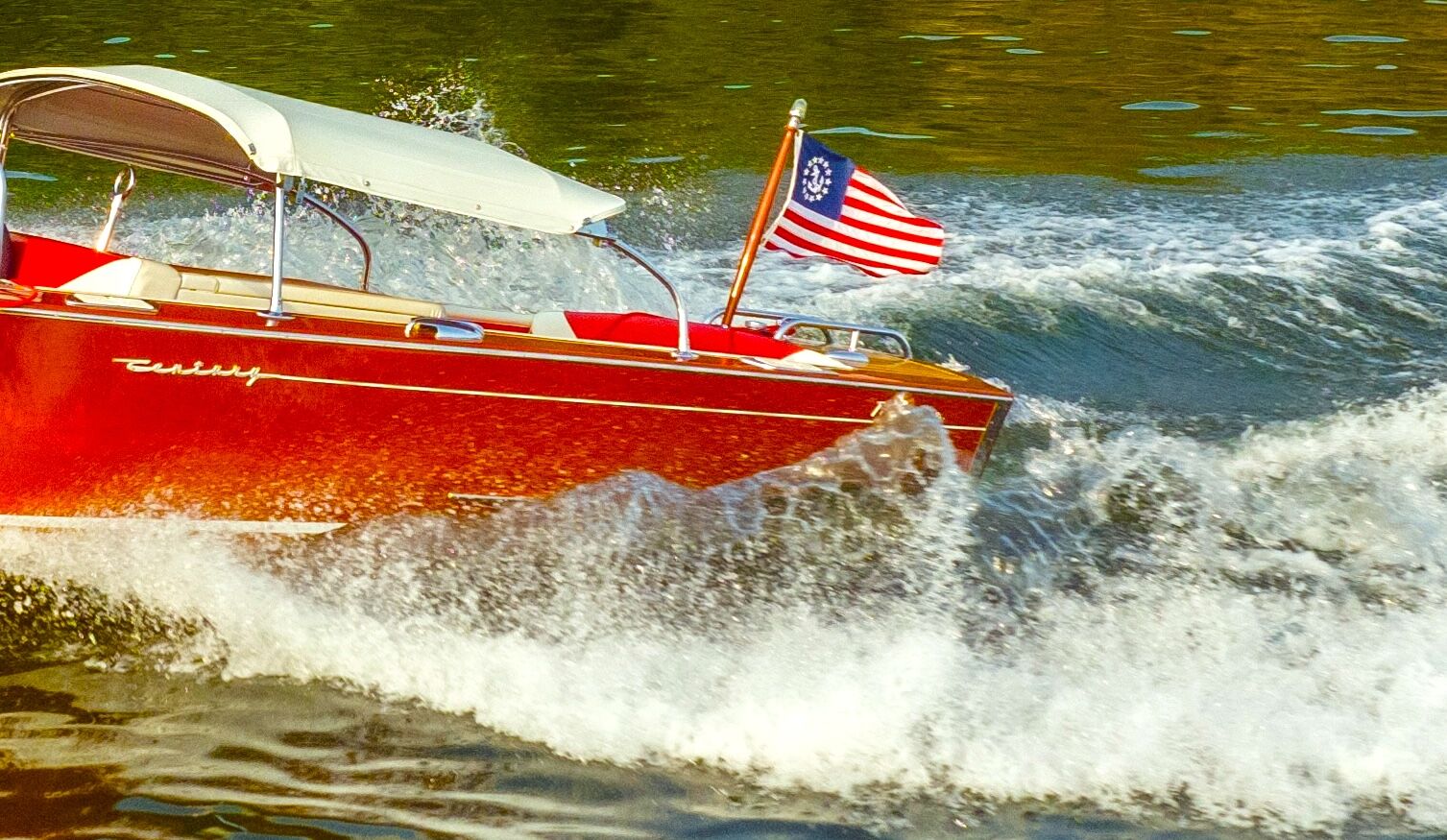
The Century boat became the gold standard of motorboats, aptly named the Thoroughbred of Boats. The boat club’s company records indicate Century manufactured boats from 14 to 22 feet in length. The most popular was the Coronado, an inboard runabout in 20 and 21-foot lengths with a wood hull, bimini hardtop, a center engine compartment, and direct drive. Luxury elements created an air of elegance and sophistication.
As the number-one dealer in the Century network, Links Landing was given preferential treatment in models and numbers of boats delivered at the beginning of each year. It was also a place to begin an upward career climb. Holmes explained that serving as an apprentice at the number-one dealer in the nation gave him a head start in his career with Century Boats. He worked at Links Landing as an apprentice during his early years because his father was a highly placed executive in the Century Boat Company.
There is nothing coincidental about a Lake of the Ozarks 1950s marina becoming the number one dealer in the nation for the most popular boat in the world. In the 1950s, the Lake of the Ozarks became what it still is today: a recreational Mecca in this portion of Missouri. As the economy grew and as the leisure activity segment of manufacturing and sales expanded after enduring the deprivation and Herculean effort of the war years, Lake of the Ozarks waters increasingly hosted the biggest, the brightest, the fastest, and the most opulent pleasure boats in the world.
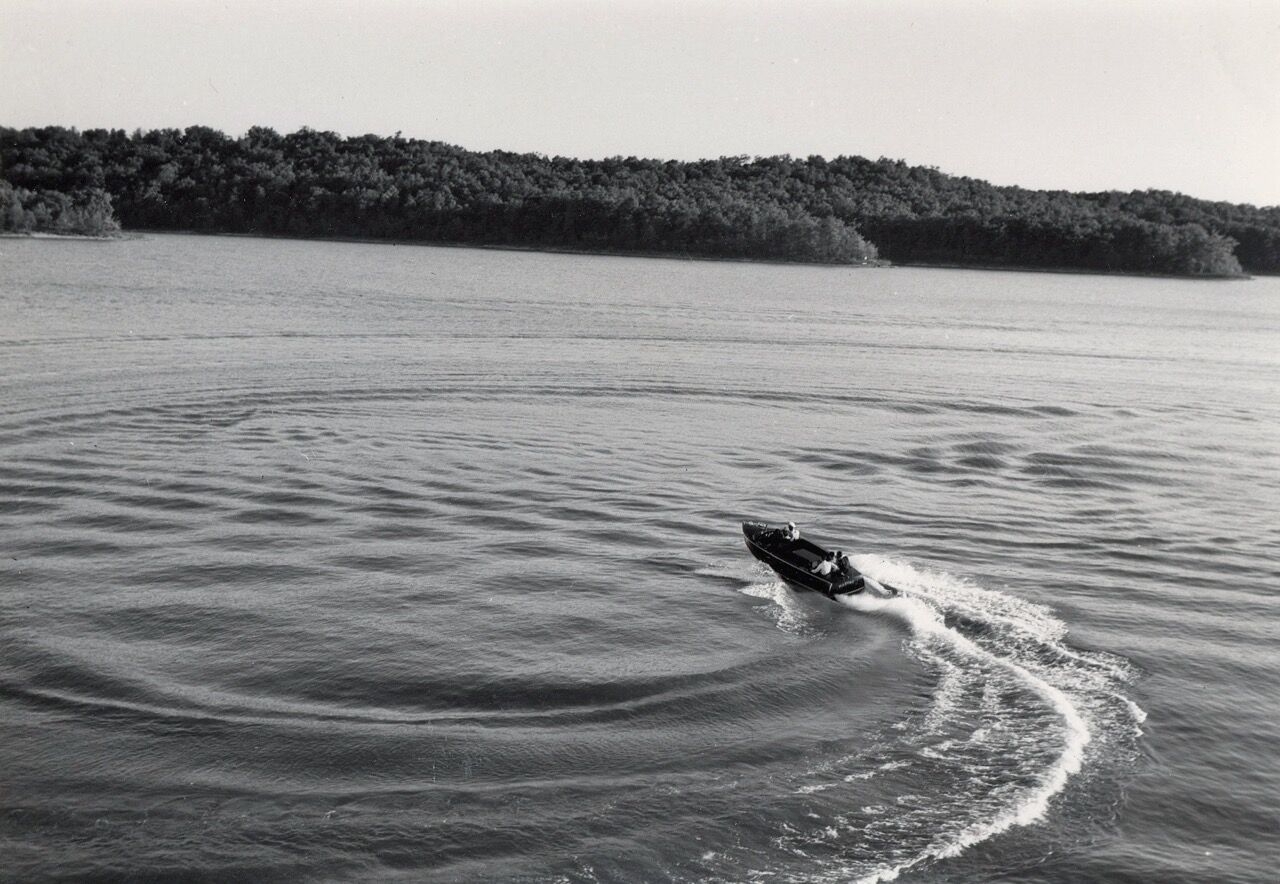
Because of the location and the economic stability of the Lake area, the explosive growth of the leisure activity markets in the U. S., and the vision of those attracted to the Lake of the Ozarks, land developers and entrepreneurs established resorts around the Lake in the 1950s.
The decade of the 1950s saw the development of such widely known and popular attractions as Bridal Cave, created and opened two years earlier in 1948. It was popular and well-attended, even drawing the attention of Ripley’s Believe It or Not. Also seeing explosive growth after the war years, Blair Cedar—building and selling cedar products out of Camdenton since the ‘30s—expanded into their current plant in 1953. Gas rationing during the war forced companies like Blair Cedar to abandon far-flung “routes” serviced by traveling salesmen and to instead develop catalogue sales business models. Soon, the local company grew into an international giant in the catalogue sales industry.
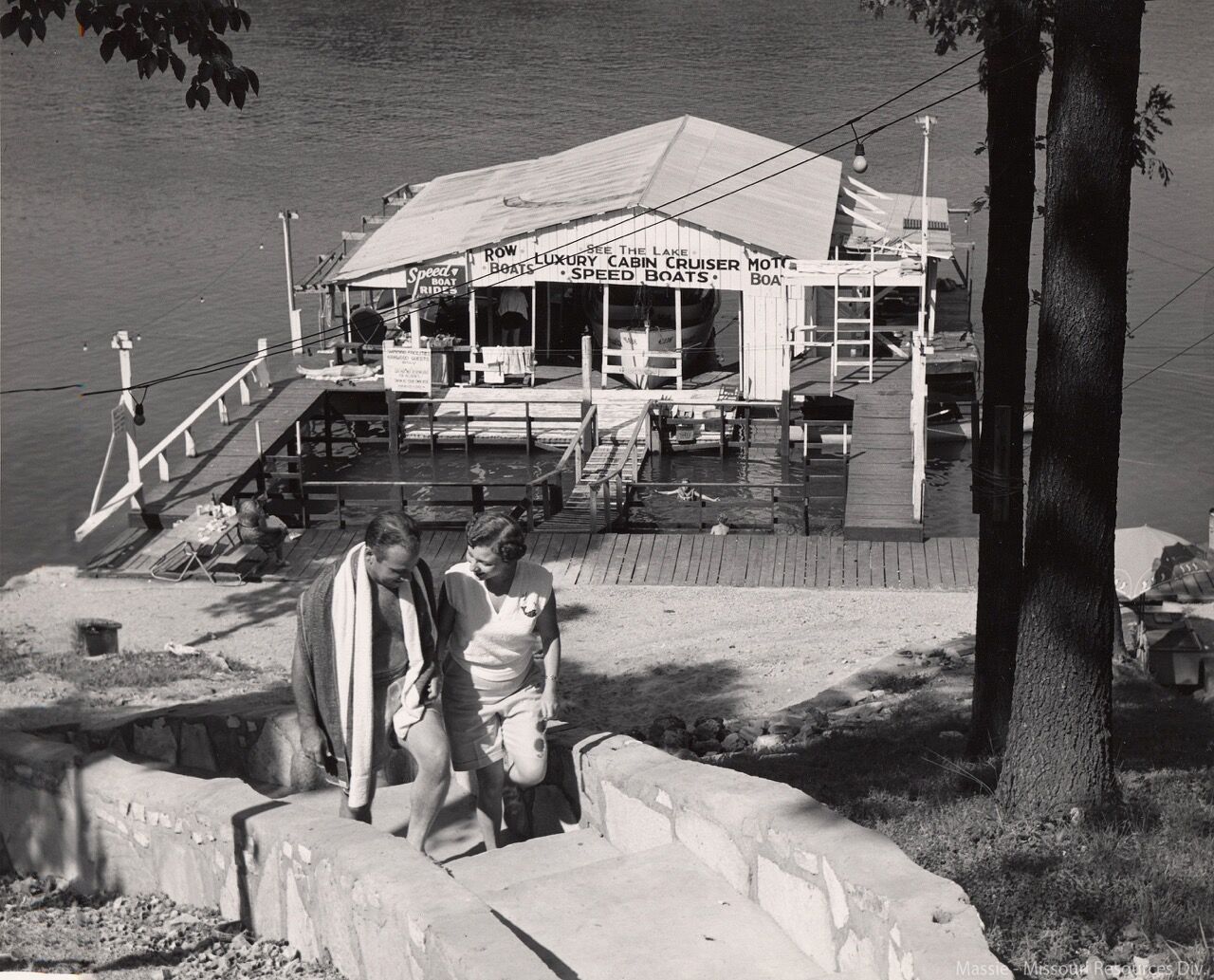
Other Ameren documents archived deep within the bowels of the Bagnell Dam itself show that while tourists still came to see the inner workings of the dam, they became more interested in the surface of the water than in what lay beneath it. According to records from the old Union Electric Company (which originally operated the hydro-electric station in the dam), the number of visitors on guided tours inside the dam’s power generation station topped 66,000 in the fifth year of operation, 1935. But by the year 1959, the total had dropped to fewer than 41,000 for the year. Tourists were now coming to the Lake to enjoy powerboating and watersports. The age of the sleek and fast motor boat was at hand.
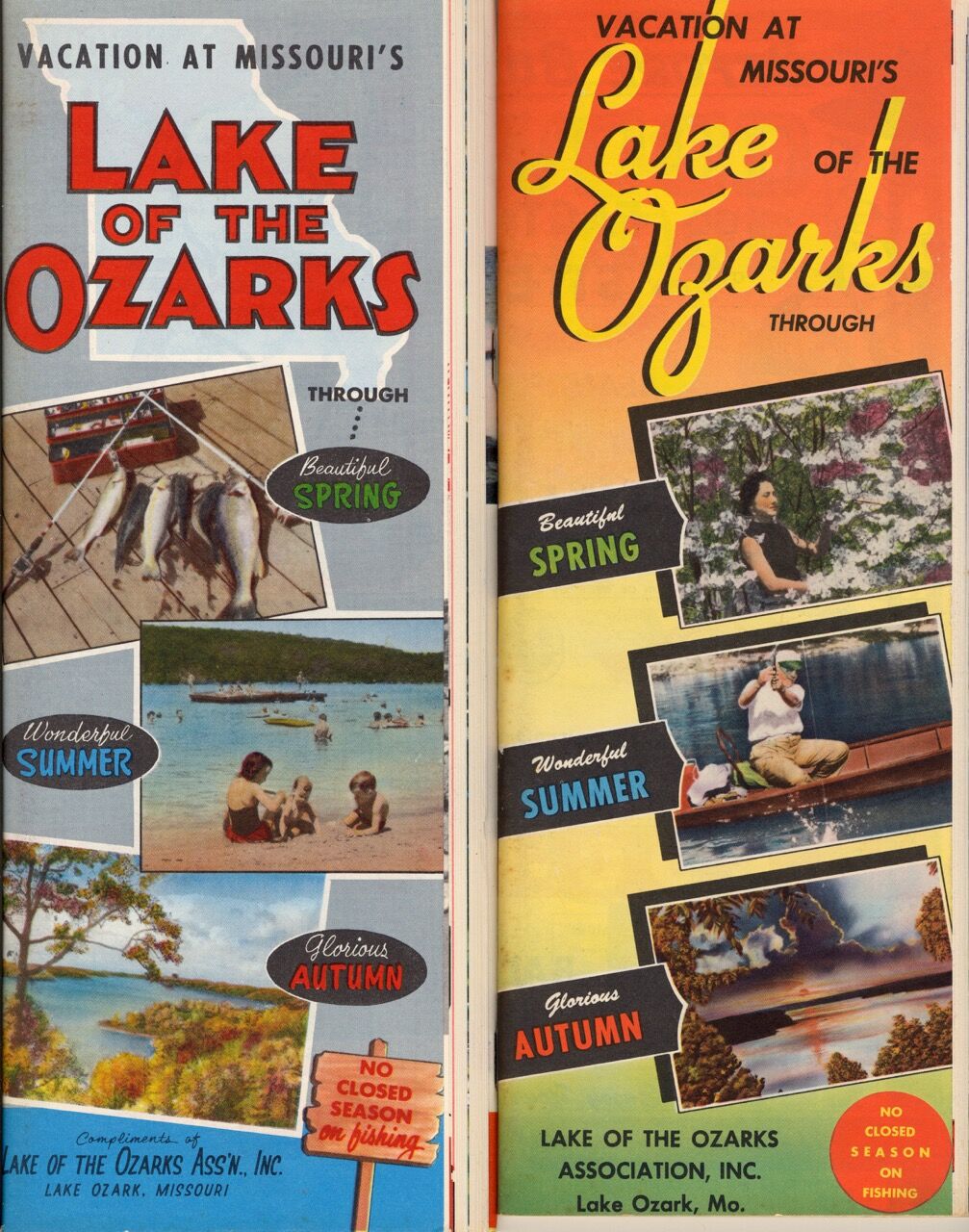
Archives reveal the numerous resorts that began to spring up around the Lake in the ‘50s. Among them: Mountain Terrace Resort Motel, Tracy’s Shoreline Resort, and Ship’s Marina, which boasted the only fenced fishing pier on the lake. A fisherman could try his luck all day for a quarter or rent a row boat for $1.50. Heading into the decade, a building dubbed “The World’s Fair” sprang up on the Bagnell Dam Strip. The building started in 1947 as the Dam Club and remained a popular tourist spot for years.
One of the Lake’s most popular hometown events, the Camdenton Dogwood Festival was born in 1950 to attract tourists to the area and promote local businesses. Another event, the Bagnell Dam Gun Show, was the brainchild of two local businessmen: one a gun dealer and the other an antique dealer. The duo aimed to attract both sellers and buyers to the area, thus spurring business for both motels and restaurants at the Lake—the goal of event coordinators at the Lake still, nearly 60 years later. The Bagnell Dam Gun Show only drew only 40 dealers to the inaugural show in 1959. But by the 1980’s the show had 340 tables rented to dealers showing their goods to nearly 10,000 people who came through the event across four days.
The 1950s was a decade of sowing and reaping at the Lake: men and women came from all over the country to invest their money and their sweat as they built the economic foundations of what would someday be the most popular recreational lake in the nation. The developments of the ’50s would drive the dizzying speeds of the coming decades on our deep and rich waters.
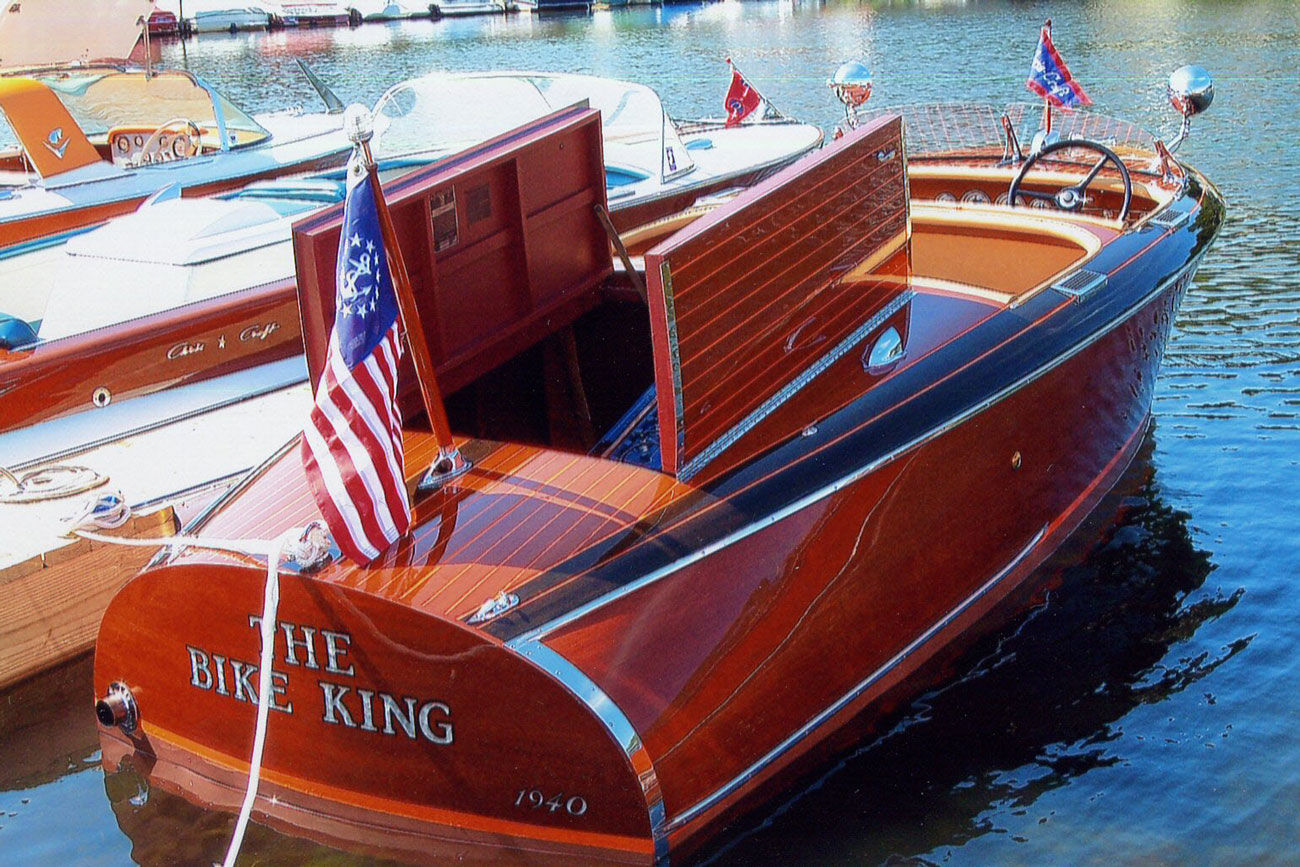
Go-fast boats and waterskiing landed at the Lake in the 1940s…
Hundreds of thousands of people come to Lake of the Ozarks to enjoy the most popular boating…


![[VIDEO]: Ferris Wheel Now Standing Tall At The Oasis](https://bloximages.chicago2.vip.townnews.com/lakeexpo.com/content/tncms/assets/v3/editorial/6/45/645bc455-286b-4556-b486-8f36b333dff4/6ab5949ebf5bf.preview.png?crop=1263%2C1263%2C0%2C60)
![Dinner With THIS View?! Inside 1932 Reserve At Lake Of The Ozarks [FLYTHROUGH]](https://bloximages.chicago2.vip.townnews.com/lakeexpo.com/content/tncms/assets/v3/editorial/b/40/b4047402-5958-4f34-92e1-36da52740fea/6aada39fabf69.preview.jpg?crop=1119%2C1119%2C240%2C0)


