
Mountain lion sightings are on the rise in Missouri, and have been since 2010. This year, there have been nine confirmed mountain lion sightings in Missouri, bringing the number of confirmed sightings from the last 29 years up to 112.
A year-by-year count of confirmed sightings is below. The highest number of confirmed sightings in any year over the last three decades is 15: that number was reported in 2011 and 2021. If the current rate of sightings continues in 2023, there will be more sightings this year than ever.
The last confirmed sightings in the Lake of the Ozarks area were in March 2021, with a game camera sighting in Laclede County and a home security camera sighting in Benton County. The conservation department does not list any confirmed sightings in the Lake of the Ozarks tri-county area encompassing Camden, Miller, and Morgan counties. However, in 2014, a Camdenton resident reported encountering a mountain lion while walking his dog one night.

CAMDEN COUNTY, Mo. — Camdenton resident Tim King took his dog Toby out to the front yard of …
The Missouri Department of Conservation maintains a list of confirmed mountain lion sightings here.
Officially, mountain lions have been extirpated in Missouri since the 1920s, meaning that they are locally extinct, however there have been confirmed sightings of cats that are scattered statewide. Mountain lions in Missouri are most often wanderers from states to the west of Missouri.
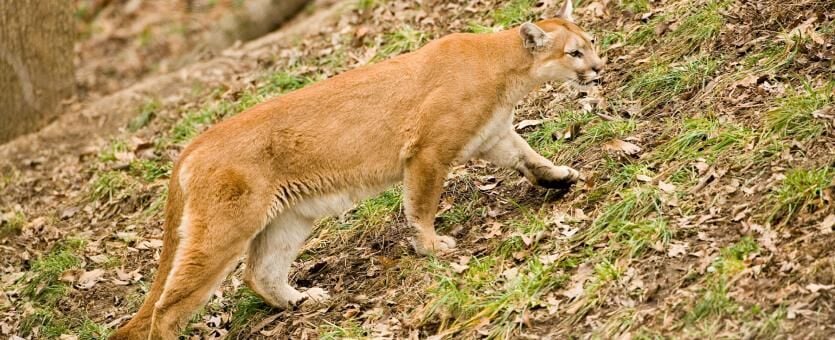
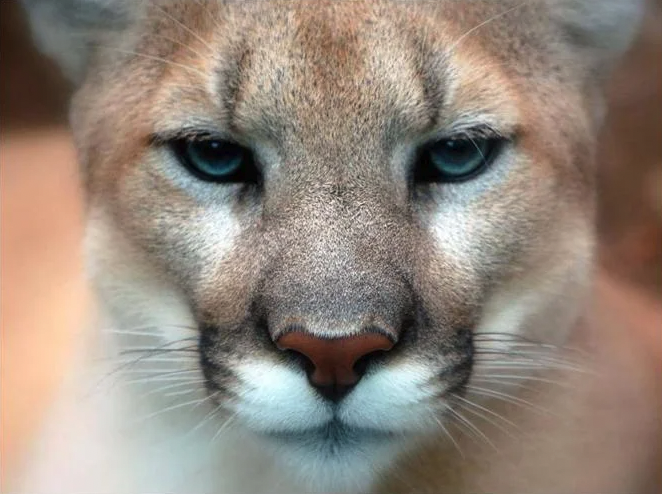
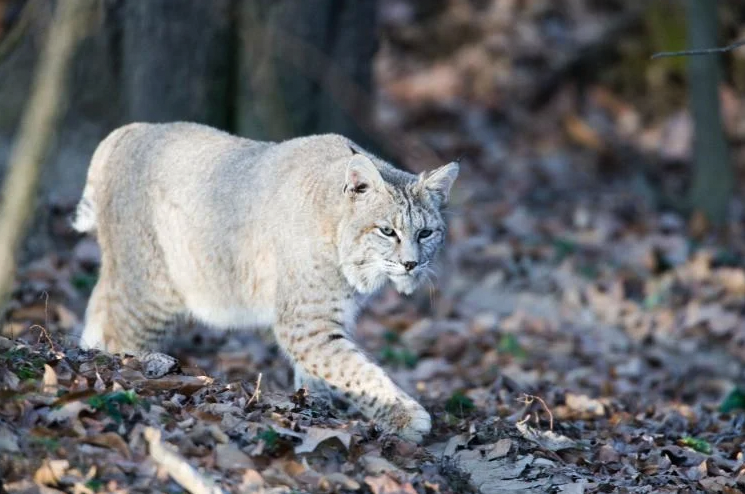
The mountain lion is a very large, slender cat with a small head, small rounded ears that are not tufted. The coloration in adults is a uniform tan-orange color and adults can be up to 8 ½ feet in length. Bobcats, a smaller and more common cat species in Missouri, have short tails, black spots and sometimes tufted ears.
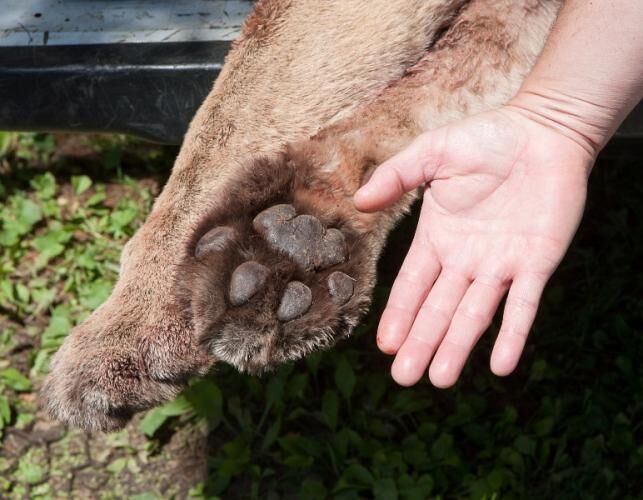
Mountain lion tracks are like those of an enormous housecat, measuring between 2¾ to 3¾ inches wide with no visible claws. Dogs and coyotes often leave claw marks and bobcats leave much smaller cats, less than two inches wide. Even a 6 month old mountain lion kitten has larger footprints than a bobcat.
Mountain Lion Confirmed Sightings, By Year (MDC)
2023: 9 sightings
2022: 5 sightings
2021: 15 sightings
December 22, 2021: Male mountain lion killed in a vehicle collision. Genetic analyses indicate the individual was a male with a probable population of origin in Colorado.
2020: 2 sightings
2019: 7 sightings
2018: 3 sightings
August 17, 2018: Genetic analyses confirmed two elk calves were killed by a mountain lion. Genetic analyses were unable to determine the sex or population of origin of the individual.
2017: 5 sightings
2016: 6 sightings
2015: 8 sightings
May 12, 2015: Adult, male mountain lion killed in a vehicle collision. No obvious signs indicating it was a captive animal. Genetic analysis revealed the probable population of origin was Wyoming.
2014: 6 sightings
2013: 8 sightings
2012: 11 sightings
January 4, 2012: Private landowner incidentally captured a live, male mountain lion in a large, cage-type trap. MLRT collected genetic samples and estimated it at ~2 years old. Genetic analysis revealed the probable population of origin was the Black Hills of South Dakota.
2011: 15 sightings
March 9, 2011: Citizen reported a mountain lion jumped through a fence and sent in hairs suspected to be from the lion. Genetic analyses confirmed the hair was from a male mountain lion and the probable population of origin was Colorado.
2010: 2 sightings
2009: 0 sightings
2008: 0 sightings
2007: 0 sightings
2006: 2 sightings
2005: 0 sightings
2004: 0 sightings
2003: 1 sighting
2002: 1 sighting
2001: 1 sighting
1999: 1 sighting
1998: 0 sightings
1997: 1 sighting
January 1997: A video was recorded by the property owner. Behavior indicates it may have been captive at one time.
1996: 1 sighting
1994: 1 sighting
January 1, 1997: A small adult female mountain lion was treed and shot by two raccoon hunters near Peck Ranch Conservation Area. The carcass was never recovered, but a photo was obtained of the animal on a tailgate. Federal authorities fined each hunter $2,000.

At Lake of the Ozarks, wildlife roams in abundance. From diverse aquatic critters to birds a…
![Black Bears Spotted In Lake Of The Ozarks Area This Summer [VIDEO]](https://bloximages.chicago2.vip.townnews.com/lakeexpo.com/content/tncms/assets/v3/editorial/f/ba/fba7e5f8-c53a-11ea-bc13-f74745a8c3d1/5f0caf28402b8.preview.jpg)
LAKE OF THE OZARKS, Mo. — Missouri is home to nearly 1,000 black bears, and the presence of …

LAKE OF THE OZARKS, Mo. — An extremely rare deer was photographed this week at Lake of the Ozarks.


