

Recently a friend reminded me that without all the ‘bugs’ we wouldn’t have the wondrous assortment of lizards, frogs, birds, and on up the food chain. Mostly when we think of creepers and crawlers, we focus on problematic species. This week I wanted to share some of our misunderstood friends. Missourians watch out for copperheads, brown recluse and others, but there are plenty of critters who do a service in our yards without posing harm. When I am frustrated by the tick on my leg, I remind myself of the turkey in the woods. Our thriving diverse ecosystem is uncommon and amazing: be sure to know what role species play before fear or frustration takes hold!

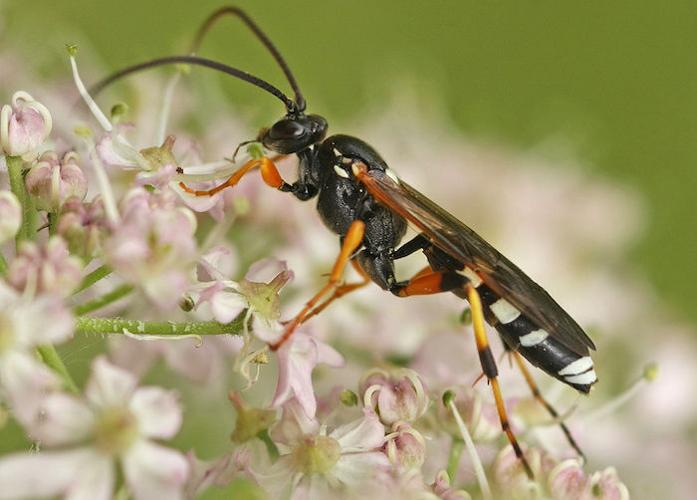
Ichneumon wasps and others parasitize larvae such as hornworms and cabbageworms (look for white fuzzy egg masses on their backs), others fill nests with insects.
Bees and wasps have an indisputable role in garden ecosystems: without them, many fruits would not bear. Generally speaking, bees provide pollen and nectar for their larvae, while wasps provide insects to their young. Bees have hairs to collect pollen of squash and many other flowers, and many species live in the ground. Ichneumon wasps and others parasitize larvae such as hornworms and cabbageworms (look for white fuzzy egg masses on their backs), others fill nests with insects. Even mud daubers keep you safe, as they will feed their young black widows and other spiders. Most are not aggressive without reason, and I have many resident daubers to prove it!
Snakes instill fear in many people. We have venomous species in our area, but the majority of snakes you come across do more help than harm. King snakes are our best allies: immune to the venom of dangerous species, they habitually eat young copperheads and rattlers. Rat snakes are just as common, and can grow to an impressive 6 foot long tree climber. Both species feast on rodents and more in our gardens. Smaller species like garter snakes and green snakes dine on insects, small rodents, amphibians and larvae. Just remember, keep those snakes out of your chicken house, as many snakes eat bird eggs (and chicks if able).
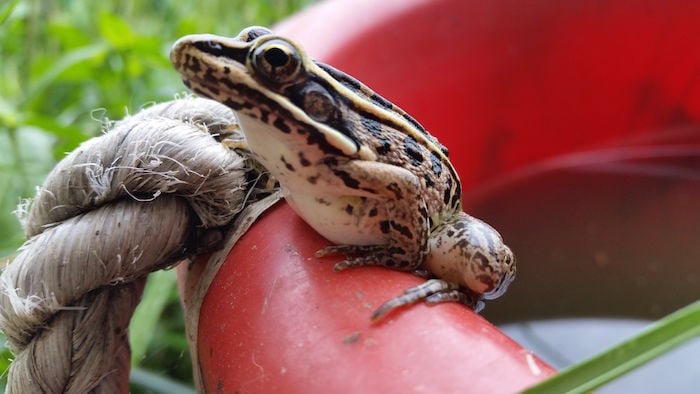
Missouri’s summer nights are filled with a cacophonous chorus of amphibians, insects, mammals and birds. Frogs often dominate, especially if you live near water. I feel blessed when I find toads in my garden! Toad may be frogs less attractive cousin, but burrow into soft garden beds and hunt all manner of larger insects and grubs. Frogs range further from their watery homes, happily munching along the way. Amphibians are very sensitive to many chemical products, including deet and other pesticides so use caution around our amphibious friends (especially if you like to hold them: they absorb through their skin).
Spiders are our (misunderstood) friends! My gardens are full of wolf and trap door spiders. Both of these are opportunistic, eating many grasshoppers and beetles that might munch your veggies. Wolf spiders can grow quite large, do not build webs, and carry their young on their backs (quite a sight!). Both will live in unopened windows and dine on recluse. Smaller web building spiders trap all manner of small insects, providing us a respite when we allow them a home.
Check out http://nature.mdc.mo.gov/discover-nature/field-guide/search for a wonderful resource on all manner of living things in Missouri. Let’s remember to be kind to even the smallest things


