
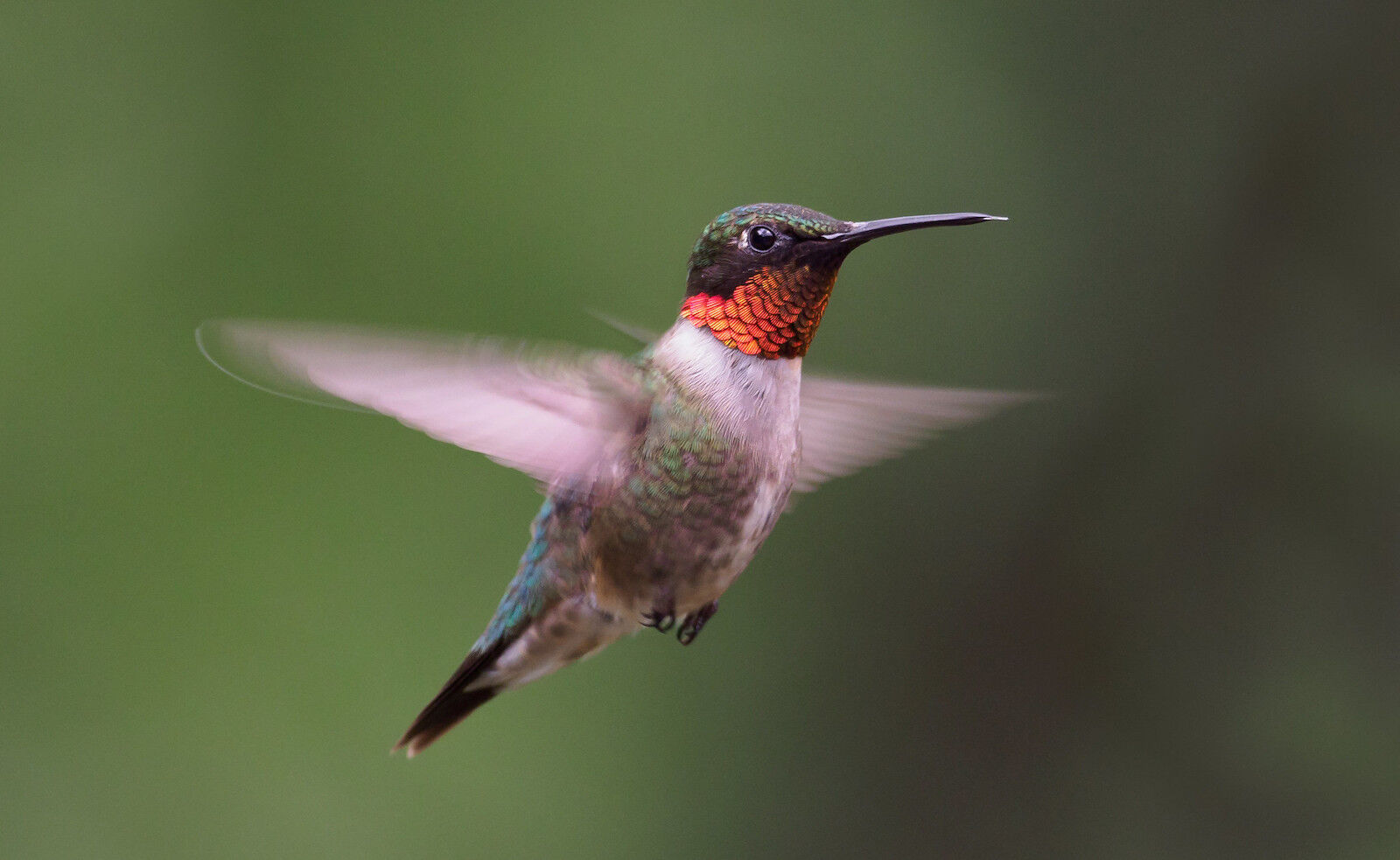
Missouri’s tiniest traveler is back, so it’s time to clean out those feeders and fill them with nectar — if you haven't done so already.
Hummingbirds have started arriving in the Show-Me State, with sightings already reported in parts of central Missouri. An interactive map from Journey North tracks their migration as they travel back to the U.S. and Canada, after wintering in Mexico and Central America.
While no one has shared sightings at the Lake (which you can report here), areas like Jefferson City, Clinton, and St. Robert have already seen activity.
MDC State Ornithologist Sarah Kendrick explained hummingbirds can lose up to half their bodyweight during their journey.
“During migration, many fly non-stop over the Gulf of Mexico from the Yucatan Peninsula to the Gulf Coast of the U.S. – and then they do it again in the fall,” she said. “That’s why so many use feeders in the spring – they’ve just arrived, and they’re hungry!”
So now is the time to fill feeders and encourage these critters to stick around!
Setting Up Your Feeder
The diet of a hummingbird consists of flower nectar, tree sap, and even small insects. Those who would like to put out feeders are urged to steer clear of adding red dye to sugar water.
“Adding red dye to hummingbird nectar is completely unnecessary – the birds are still attracted to the red of the feeder and the dye could be harmful to the birds,” Kendrick stressed. “Hummingbirds drink the sugar water without the coloring. May as well save yourself a step and err on the side of caution.”
To make your own sugar water, dissolve one part sugar with four parts water: no need to boil it, but heating it briefly can help the sugar dissolve more quickly (you don't want to make syrup!) Cool the mixture before filling the feeder and replace sugar water before it gets cloudy.
Be sure to clean the feeder very well to reduce the growth of bacteria, which can sicken hummingbirds.
In hot weather, feeders should be emptied and cleaned twice per week with hot water and a weak vinegar solution. In cooler weather, feeders can be cleaned once per week.
Tiny Bird, Big Impact
The ruby-throated hummingbird is Missouri’s smallest nesting bird and the only hummingbird that nests in the Eastern United States. Despite their petite size, they make a big impact in the ecosystem.
“Hummingbirds are important pollinators for many plants that require a long-billed pollinator and they also eat numerous insects,” Kendrick noted. “They bring a lot of joy to many people who feed and watch them, and draw people in to learn more about other birds and nature.”
In addition to putting out feeders, growing native plants is another great way to help hummingbirds and other migratory birds.
“Native plants, shrubs, and trees attract the most native insects, which are a vital food source for breeding birds and their nestlings,” Kendrick added.
Hummingbirds love these Missouri native plants
• Cardinal flower
• Jewelweed or touch-me-not
• Royal catchfly
• Fire pink
• Wild bergamot
• Trumpet creeper
• Native honeysuckles (Lonicera dioica, L. flava, L. reticulata)
• Red buckeye (a small tree)
• Columbine
To learn more about native plants for your landscape and to find retailers, visit grownative.org.


