
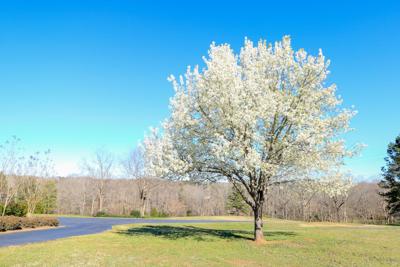
They may look pretty in bloom, but Bradford pear trees are considered one of Missouri’s most invasive species. A statewide program this spring is encouraging residents to cut them down and replace them with native trees.
The Missouri Department of Conservation is partnering with several organizations for the 2026 Callery Pear Buyback Program, which encourages property owners to cut down invasive Callery, or Bradford, pear trees and replace them with native species.
Participants who remove one or more Callery pear trees can receive a free native tree during pickup events scheduled across Missouri. The replacement trees will be potted in three-gallon containers and typically range from 2 to 4 feet tall.
Registration for the program runs from March 16 through April 16. Those who sign up can pick up their free tree on April 21 between 3 and 6 p.m. at more than 20 locations around the state, including Columbia, Jefferson City, Lebanon, Rolla, Springfield, and more.
Callery pear trees are known for their bright white spring blossoms, but officials say the non-native species can create problems for both property owners and wildlife. The trees have brittle branches that often break during storms and many varieties develop sharp thorns, not to mention the flowers have a foul smell. Their aggressive growth also allows them to spread quickly, crowding out native plants and altering natural habitats.
“As we prepare for spring, many Callery pear trees—also known as Bradford pears—will soon begin to bloom,” said Missouri Invasive Plant Council Chairperson Carol Davit. “The profuse white blossoms of this highly invasive tree make their alarming spread especially apparent in spring along roadsides, in fields, parks, and on private property.”
Organizers say the program is designed to help residents replace invasive trees with native species that better support Missouri’s ecosystems.
More information, including how to identify Callery pear trees and how to register for the program, is available here.


